
8年生 内 ユニット3:ベトナムの人々 語彙セット:完全かつ詳細なリスト
「8年生」内の「ユニット3:ベトナムの人々」語彙セットは国際標準教材から厳選され、短期間で語彙をマスターできます。定義、例文、標準発音を網羅…
Lingolandでこの語彙セットを学習
今すぐ学習

/ˈbeɪ.sɪk/
(adjective) 基本的な, 基礎的な, 質素な
例:
The basic principles of physics are taught in high school.
物理学の基本的な原理は高校で教えられます。

/ˈkɑːm.plə.keɪ.t̬ɪd/
(adjective) 複雑な, 入り組んだ, 理解しにくい
例:
The instructions were too complicated for me to follow.
指示は私にはあまりにも複雑で、従うことができませんでした。

/ˈkɑː.stuːm/
(noun) 衣装, コスチューム, 民族衣装;
(verb) 衣装を着せる, コスチュームを着せる
例:
She wore a beautiful fairy costume for the party.
彼女はパーティーのために美しい妖精の衣装を着た。

/ˈkjʊr.i.əs/
(adjective) 好奇心旺盛な, 知りたがっている, 奇妙な
例:
The child was curious about how the toy worked.
その子供は、おもちゃがどのように動くのか知りたがっていた。

/ˈkʌs.təm/
(noun) 習慣, 慣習, しきたり;
(adjective) オーダーメイドの, 特注の
例:
It is a local custom to greet visitors with a cup of tea.
訪問客をお茶で迎えるのは地元の習慣です。

/dɪˈvɝːs/
(adjective) 多様な, 様々な
例:
New York is a city with a diverse population.
ニューヨークは多様な人口を持つ都市です。

/dɪˈvɝː.sə.t̬i/
(noun) 多様性, 多様
例:
The city is known for its cultural diversity.
その都市は文化的な多様性で知られている。
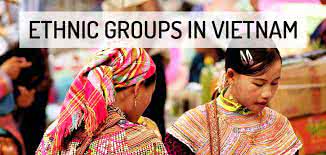
/ˈeθ.nɪk/
(adjective) 民族の, エスニックの, 民族的な
例:
The city is known for its diverse ethnic neighborhoods.
その都市は多様な民族地区で知られている。
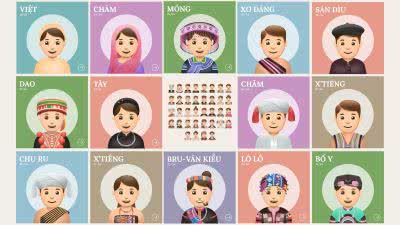
/ˈɛθ.nɪk ˌɡruːp/
(noun) 民族グループ, エスニックグループ
例:
The city is home to many different ethnic groups.
その都市には多くの異なる民族グループが住んでいます。

/ˈɡæð.ɚ/
(verb) 集める, 集まる, 察する;
(noun) ギャザー, ひだ
例:
A crowd began to gather outside the building.
建物の外に群衆が集まり始めた。
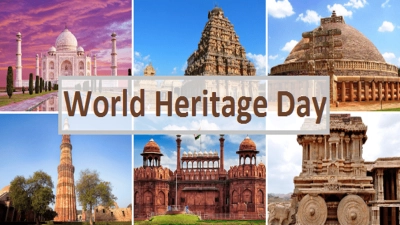
/ˈher.ɪ.t̬ɪdʒ/
(noun) 遺産, 相続財産, 文化遺産
例:
The old house was part of her family's heritage.
その古い家は彼女の家族の遺産の一部だった。

/hʌnt/
(verb) 狩る, 狩りをする, 探す;
(noun) 狩り, 捜索
例:
They went out to hunt deer in the forest.
彼らは森に鹿を狩りに行った。

/ˌɪn.sɪɡˈnɪf.ə.kənt/
(adjective) 取るに足らない, 重要でない, 些細な
例:
The difference in price was insignificant.
価格の差は取るに足らないものだった。

/məˈdʒɔː.rə.t̬i/
(noun) 大多数, 過半数, 成人
例:
The majority of people voted for the new policy.
大多数の人々が新しい政策に投票した。

/maɪˈnɔːr.ə.t̬i/
(noun) 少数, 少数派, 少数民族
例:
Only a small minority of students failed the exam.
ごくわずかな少数の学生だけが試験に落ちた。
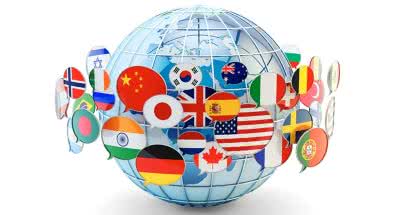
/ˌmʌl.tiˈkʌl.tʃɚ.əl/
(adjective) 多文化の
例:
London is a truly multicultural city with people from all over the world.
ロンドンは世界中から人々が集まる真に多文化的な都市です。

/ˈrek.əɡ.naɪz/
(verb) 認識する, 見分ける, 承認する
例:
I hadn't seen her for 20 years, but I recognised her instantly.
20年間彼女に会っていなかったが、すぐに認識できた。

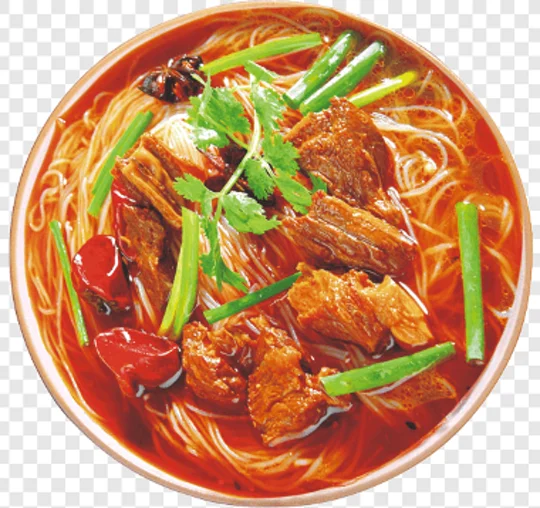
/ˌspeʃ.iˈæl.ə.t̬i/
(noun) 専門, 得意分野, 特産品
例:
His speciality is ancient Roman history.
彼の専門は古代ローマ史です。
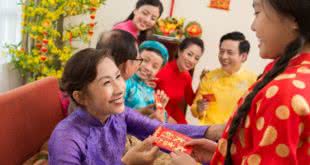
/trəˈdɪʃ.ən/
(noun) 伝統, 慣習, 伝承
例:
It's a family tradition to have turkey on Christmas Day.
クリスマスに七面鳥を食べるのは家族の伝統です。

/juːˈniːk/
(adjective) ユニークな, 唯一の, 特別な
例:
Each person's fingerprints are unique.
各個人の指紋はユニークです。
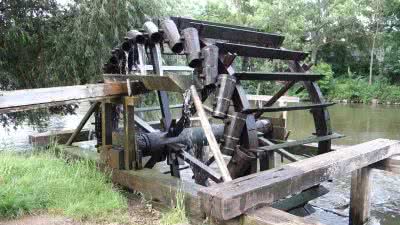
/ˈwɑː.t̬ɚ.wiːl/
(noun) 水車
例:
The old mill was powered by a large waterwheel.
古い製粉所は大きな水車で動いていた。