
11年生 内 ユニット8:自立する 語彙セット:完全かつ詳細なリスト
「11年生」内の「ユニット8:自立する」語彙セットは国際標準教材から厳選され、短期間で語彙をマスターできます。定義、例文、標準発音を網羅…
Lingolandでこの語彙セットを学習
今すぐ学習
/əˈtʃiːv/
(verb) 達成する, 成し遂げる, 得る
例:
She worked hard to achieve her goals.
彼女は目標を達成するために一生懸命働いた。

/ˈbeɪ.biˌsɪt̬.ɪŋ/
(noun) ベビーシッター, 子守;
(verb) ベビーシッターをしている, 子守をしている
例:
She earns extra money by babysitting for her neighbors.
彼女は近所の子供たちのベビーシッターをして追加のお金を稼いでいる。

/kəmˈbaɪn/
(verb) 結合する, 組み合わせる, 合体させる;
(noun) コンバイン, 収穫機
例:
We need to combine our efforts to finish this project on time.
このプロジェクトを時間通りに終えるために、私たちは努力を合わせる必要があります。

/ˈkɑːn.fə.dəns/
(noun) 信頼, 自信, 自己肯定感
例:
She has great confidence in her team's abilities.
彼女はチームの能力に大きな信頼を置いている。

/ˈkɑːn.fə.dənt/
(adjective) 自信がある, 確信している
例:
She felt confident about her presentation.
彼女はプレゼンテーションに自信を持っていた。
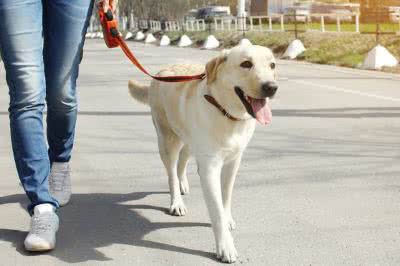
/dɔːɡ ˈwɔːkɪŋ/
(noun) 犬の散歩, 犬の散歩業
例:
She earns extra money by dog walking for her neighbors.
彼女は近所の犬の散歩をして副収入を得ている。

/ˌɪn.dɪˈpen.dəns/
(noun) 独立, 自立
例:
The country gained its independence in 1960.
その国は1960年に独立を達成した。

/ˌɪn.dɪˈpen.dənt/
(adjective) 独立した, 自立した, 別個の;
(noun) 独立した人, 無所属
例:
The country gained its independent status in 1960.
その国は1960年に独立した地位を獲得した。

/ˈlɝː.nɚ/
(noun) 学習者, 生徒
例:
She is a quick learner and picks up new things easily.
彼女は覚えが早く、新しいことを簡単に習得します。
/ˈlaɪf skɪl/
(noun) ライフスキル, 生活技能
例:
Learning to cook is an essential life skill.
料理を学ぶことは不可欠なライフスキルです。

/ˈmæn.ədʒ/
(verb) 管理する, 運営する, なんとかする
例:
She manages a team of ten employees.
彼女は10人の従業員のチームを管理しています。
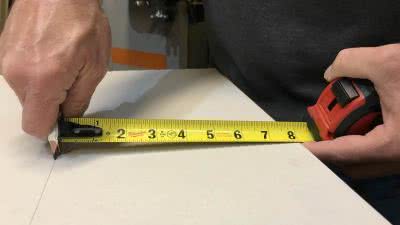
/ˈmeʒ.ɚ/
(verb) 測定する, 測る, 〜の大きさである;
(noun) 尺度, 測定方法, 措置
例:
The tailor will measure you for a new suit.
仕立て屋が新しいスーツのためにあなたを採寸します。

/ˈpɑː.kɪt ˌmʌn.i/
(noun) お小遣い
例:
My parents gave me pocket money every week when I was a child.
子供の頃、両親は毎週お小遣いをくれました。
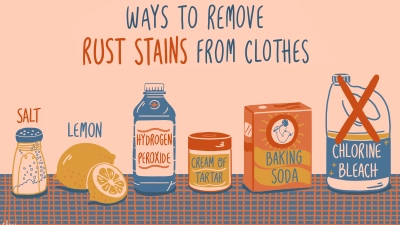
/rɪˈmuːv/
(verb) 取り除く, 除去する, 外す
例:
Please remove your shoes before entering the house.
家に入る前に靴を脱いでください。

/rɪˌspɑːn.səˈbɪl.ə.t̬i/
(noun) 責任, 義務, 職務
例:
It's your responsibility to ensure the project is completed on time.
プロジェクトを期限内に完了させるのはあなたの責任です。

/rɪˈspɑːn.sə.bəl/
(adjective) 責任がある, 担当の, 原因である
例:
You are responsible for your own actions.
あなたは自分の行動に責任があります。

/ˌselfˈmoʊtɪveɪtɪd/
(adjective) 自己動機付けの, 自発的な
例:
She is a highly self-motivated individual who always strives for excellence.
彼女は常に卓越性を追求する、非常に自己動機付けの高い人物です。

/ˌselfˈstʌd.i/
(noun) 独学, 自習;
(verb) 独学する, 自習する
例:
She improved her English through self-study.
彼女は独学で英語を上達させた。

/ˈtuː.duː ˌlɪst/
(noun) やることリスト, タスクリスト
例:
I have so many items on my to-do list today.
今日はやることリストにたくさんの項目があります。

/ɡet əˈraʊnd/
(phrasal verb) 移動する, 動き回る, 回避する
例:
It's easy to get around the city by public transport.
公共交通機関で市内を移動するのは簡単です。

/diːl wɪð/
(phrasal verb) 対処する, 処理する, 取引する
例:
We need to deal with this issue immediately.
この問題にすぐに対処する必要があります。

/kʌm ʌp wɪð/
(phrasal verb) 思いつく, 考案する, 生み出す
例:
Can you come up with a better solution?
もっと良い解決策を思いつくことができますか?

/ˈkær.i aʊt/
(phrasal verb) 実行する, 遂行する
例:
The team will carry out the experiment next week.
チームは来週、実験を実行します。

/meɪk juːs ʌv/
(phrase) 活用する, 利用する
例:
We should make use of all the resources we have.
私たちは持っているすべての資源を活用すべきだ。

/frʌm taɪm tə taɪm/
(idiom) 時々, たまに
例:
We meet for coffee from time to time.
私たちは時々コーヒーを飲みに行きます。

/aʊt ənd əˈbaʊt/
(idiom) 外出して活動している, 活発な
例:
After a long illness, she's finally out and about again.
長い病気のあと、彼女はついにまた外出して活動している。