Avatar of Vocabulary Set ユニット1:長寿と健康的な生活

11年生 内 ユニット1:長寿と健康的な生活 語彙セット:完全かつ詳細なリスト

「11年生」内の「ユニット1:長寿と健康的な生活」語彙セットは国際標準教材から厳選され、短期間で語彙をマスターできます。定義、例文、標準発音を網羅…

Lingolandでこの語彙セットを学習

今すぐ学習

active

/ˈæk.tɪv/

(adjective) 活動的な, 活発な, 活動中の

例:

He leads a very active lifestyle, always hiking and cycling.

彼は非常に活動的なライフスタイルを送っており、常にハイキングやサイクリングをしています。

antibiotic

/ˌæn.t̬i.baɪˈɑː.t̬ɪk/

(noun) 抗生物質;

(adjective) 抗生物質の, 抗菌の

例:
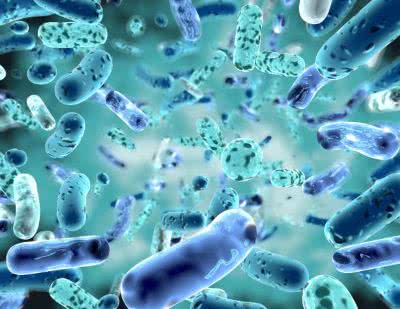
The doctor prescribed an antibiotic for her infection.
医師は彼女の感染症に抗生物質を処方した。

bacteria

/bækˈtɪr.i.ə/

(plural noun) バクテリア, 細菌;

(noun) バクテリア (単数形), 細菌 (単数形)

例:

Wash your hands to remove bacteria.
細菌を除去するために手を洗ってください。

balanced

/ˈbæl.ənst/

(adjective) バランスの取れた, 均等に配分された, 公平な

例:

The artist created a perfectly balanced sculpture.
その芸術家は完璧にバランスの取れた彫刻を制作した。

blue-light

/ˈbluːˌlaɪt/

(verb) ブルーライトをカットする, ブルーライトを減らす

例:

I always blue-light my phone before bed to help me sleep better.
よく眠れるように、寝る前にいつも携帯電話のブルーライトをカットしています。

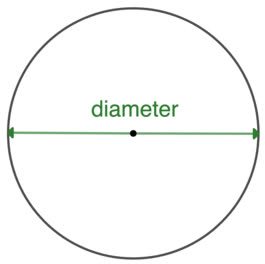
diameter

/daɪˈæm.ə.t̬ɚ/

(noun) 直径

例:

The diameter of the circle is 10 centimeters.
円の直径は10センチメートルです。

disease

/dɪˈziːz/

(noun) 病気, 疾患

例:

Heart disease is a major cause of death.
心臓病は主要な死因です。

energy

/ˈen.ɚ.dʒi/

(noun) エネルギー, 活力

例:

She has a lot of energy for her age.
彼女は年齢の割にたくさんのエネルギーを持っている。

examine

/ɪɡˈzæm.ɪn/

(verb) 検査する, 調べる, 検討する

例:

The doctor will examine the patient thoroughly.
医師は患者を徹底的に診察するでしょう。

fitness

/ˈfɪt.nəs/

(noun) フィットネス, 健康, 適性

例:

Regular exercise is essential for good fitness.
定期的な運動は良好なフィットネスに不可欠です。

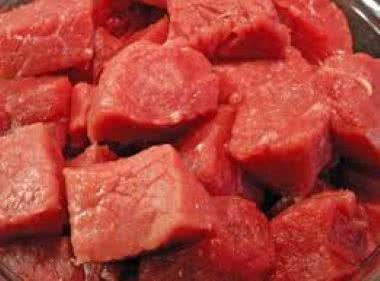
flesh

/fleʃ/

(noun) 肉, 肉体, 果肉;

(verb) 具体化する, 肉付けする

例:
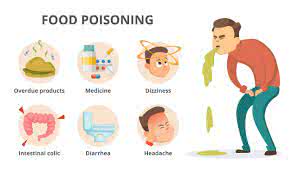
The wound went deep into the flesh.
傷はの奥深くまで達した。

food poisoning

/ˈfuːd ˌpɔɪ.zən.ɪŋ/

(noun) 食中毒

例:

She got food poisoning after eating at the new restaurant.
彼女は新しいレストランで食事をした後、食中毒になった。

germ

/dʒɝːm/

(noun) 細菌, 病原菌, 胚芽

例:

Wash your hands to avoid spreading germs.
細菌の拡散を防ぐために手を洗いなさい。

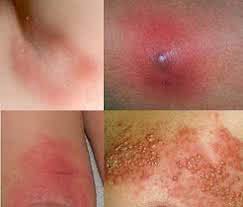
infection

/ɪnˈfek.ʃən/

(noun) 感染, 伝染, 感染症

例:

The doctor prescribed antibiotics to treat the bacterial infection.
医師は細菌感染症を治療するために抗生物質を処方した。

infectious

/ɪnˈfek.ʃəs/

(adjective) 感染性の, 伝染性の, 影響力のある

例:

The common cold is an infectious disease.
風邪は感染性の病気です。

ingredient

/ɪnˈɡriː.di.ənt/

(noun) 材料, 成分, 要素

例:

The main ingredient of this cake is flour.
このケーキの主な材料は小麦粉です。

life expectancy

/laɪf ɪkˈspek.tən.si/

(noun) 平均寿命

例:

Life expectancy has increased significantly in the last century.
過去1世紀で平均寿命は大幅に延びました。

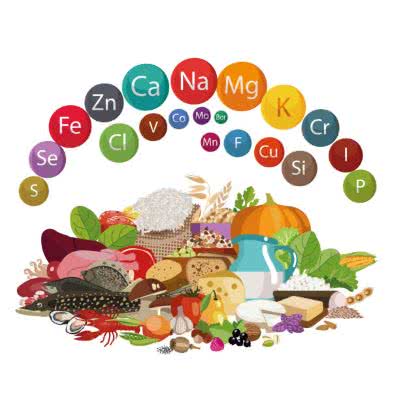
mineral

/ˈmɪn.ər.əl/

(noun) 鉱物, ミネラル, 栄養素;

(adjective) 鉱物の, ミネラルを含む

例:
Quartz is a common mineral found in many rocks.
石英は多くの岩石に見られる一般的な鉱物です。

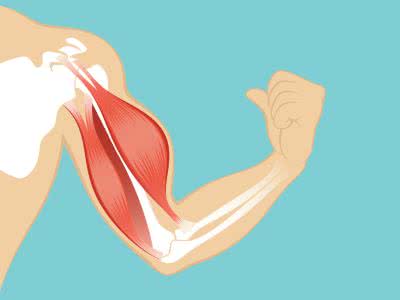
muscle

/ˈmʌs.əl/

(noun) 筋肉, 力, 腕力;

(verb) 力ずくで進む, 強引に押し進む

例:

He pulled a muscle in his leg while running.
彼は走っている最中に脚の筋肉を痛めた。

nutrient

/ˈnuː.tri.ənt/

(noun) 栄養素, 栄養分

例:

Plants absorb essential nutrients from the soil.
植物は土壌から必須の栄養素を吸収します。

organism

/ˈɔːr-/

(noun) 生物, 有機体, システム

例:

Bacteria are single-celled organisms.
バクテリアは単細胞生物です。

press-up

/ˈpres.ʌp/

(noun) 腕立て伏せ

例:

He does 50 press-ups every morning.
彼は毎朝50回腕立て伏せをする。

properly

/ˈprɑː.pɚ.li/

(adverb) 適切に, きちんと, 礼儀正しく

例:

Make sure you install the software properly.
ソフトウェアを適切にインストールしてください。

recipe

/ˈres.ə.pi/

(noun) レシピ, 秘訣, 方法

例:

Can you share your recipe for chocolate cake?
チョコレートケーキのレシピを教えていただけますか?

regular

/ˈreɡ.jə.lɚ/

(adjective) 定期的な, 通常の, 規則的な;

(noun) 常連客, 常連

例:

She makes regular visits to her grandmother.
彼女は祖母を定期的に訪ねる。

repetitive

/rɪˈpet̬.ə.t̬ɪv/

(adjective) 反復的な, 繰り返しの, 単調な

例:

The work was so repetitive that I quickly got bored.
その仕事はとても反復的で、すぐに飽きてしまった。

spread

/spred/

(verb) 広がる, 拡散する, 広げる;

(noun) 広がり, 拡散, スプレッド

例:

The fire spread rapidly through the forest.
火は森中に急速に広がった

squat

/skwɑːt/

(verb) しゃがむ, かがむ, 不法占拠する;

(noun) しゃがみ, スクワット, 不法占拠地;

(adjective) ずんぐりした, 背の低い

例:

He squatted down to tie his shoelace.
彼は靴ひもを結ぶためにしゃがんだ

strength

/streŋθ/

(noun) 力, 強さ, 強度

例:

He lifted the heavy box with surprising strength.
彼は驚くべきで重い箱を持ち上げた。

suffer

/ˈsʌf.ɚ/

(verb) 苦しむ, 被る, 患う

例:

He suffered a heart attack.
彼は心臓発作を患った

treatment

/ˈtriːt.mənt/

(noun) 扱い, 対応, 治療

例:

She received excellent treatment from the hospital staff.
彼女は病院のスタッフから素晴らしい対応を受けた。

tuberculosis

/tuːˌbɝː.kjəˈloʊ.sɪs/

(noun) 結核, TB

例:

The patient was diagnosed with tuberculosis.
患者は結核と診断された。

virus

/ˈvaɪ.rəs/

(noun) ウイルス, コンピュータウイルス

例:

The common cold is caused by a virus.
一般的な風邪はウイルスによって引き起こされます。

work out

/wɜːrk aʊt/

(phrasal verb) 運動する, トレーニングする, 解く

例:

I like to work out at the gym three times a week.
週に3回ジムで運動するのが好きです。

give off

/ɡɪv ɔf/

(phrasal verb) 放つ, 出す

例:

The flowers give off a sweet scent.
花は甘い香りを放つ

give up

/ɡɪv ˈʌp/

(phrasal verb) 諦める, やめる, 譲る

例:

Don't give up on your dreams.
夢を諦めないで

star jump

/ˈstɑːr dʒʌmp/

(noun) スタージャンプ, 開脚跳び

例:

We started our workout with twenty star jumps to warm up.
ウォーミングアップのために20回のスタージャンプからトレーニングを始めました。
Lingolandでこの語彙セットを学習