Avatar of Vocabulary Set Oxford 5000 - C1 - 文字 M

Oxford 5000 - C1 内 Oxford 5000 - C1 - 文字 M 語彙セット:完全かつ詳細なリスト

「Oxford 5000 - C1」内の「Oxford 5000 - C1 - 文字 M」語彙セットは国際標準教材から厳選され、短期間で語彙をマスターできます。定義、例文、標準発音を網羅…

Lingolandでこの語彙セットを学習

今すぐ学習
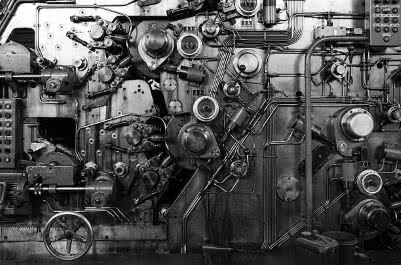
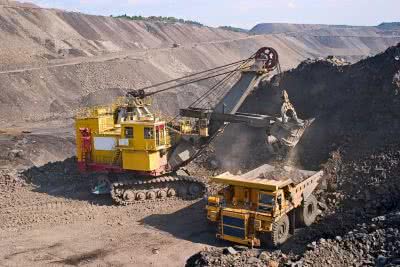
machinery

/məˈʃiː.nɚ.i/

(noun) 機械, 機械類, 機構

例:

The factory uses heavy machinery for production.
その工場では生産に重い機械を使用している。

magical

/ˈmædʒ.ɪ.kəl/

(adjective) 魔法の, 不思議な, 魔法のような

例:

The wizard performed a magical spell.
魔法使いは魔法の呪文を唱えた。

magistrate

/ˌmædʒ.ə.streɪt ˈdʒʌdʒ/

(noun) 治安判事, 行政官

例:

The suspect was brought before the magistrate.
容疑者は治安判事の前に連れてこられた。

magnetic

/mæɡˈnet̬.ɪk/

(adjective) 磁気の, 磁気を帯びた, 魅力的な

例:

The compass needle is magnetic.
方位磁針は磁気を帯びている

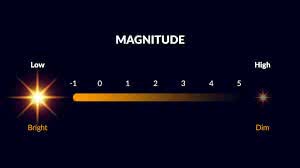
magnitude

/ˈmæɡ.nə.tuːd/

(noun) 規模, 大きさ, 重要性

例:

The magnitude of the earthquake was devastating.
地震の規模は壊滅的だった。

mainland

/ˈmeɪn.lænd/

(noun) 本土, 大陸;

(adjective) 本土の, 大陸の

例:

They traveled from the island to the mainland by ferry.
彼らはフェリーで島から本土へ移動した。

mainstream

/ˈmeɪn.striːm/

(noun) 主流, 本流;

(adjective) 主流の, 一般的な;

(verb) 主流化する, 統合する

例:

His music moved from the underground scene to the mainstream.
彼の音楽はアンダーグラウンドシーンから主流へと移行した。

maintenance

/ˈmeɪn.tən.əns/

(noun) 維持, 保守, メンテナンス

例:

The maintenance of peace is crucial for global stability.
平和の維持は世界の安定にとって極めて重要である。

mandate

/ˈmæn.deɪt/

(noun) 負託, 命令, 義務;

(verb) 権限を与える, 義務付ける

例:

The government received a clear mandate from the people.
政府は国民から明確な負託を受けた。

mandatory

/ˈmæn.də.tɔːr.i/

(adjective) 義務的な, 強制的な, 必須の

例:

Wearing a helmet is mandatory for all cyclists.
ヘルメットの着用はすべてのサイクリストにとって義務的です。

manifest

/ˈmæn.ə.fest/

(verb) 現す, 示す, 証明する;

(adjective) 明白な, 明らかな;

(noun) 積荷目録, 乗客名簿

例:

She began to manifest symptoms of the disease.
彼女は病気の症状を現し始めた。

manipulate

/məˈnɪp.jə.leɪt/

(verb) 操作する, 扱う, 操る

例:

He skillfully manipulated the controls of the drone.
彼はドローンの操縦を巧みに操作した

manipulation

/məˌnɪp.jəˈleɪ.ʃən/

(noun) 操作, 取り扱い, 不正な影響

例:

The careful manipulation of the delicate instruments was crucial for the surgery's success.
繊細な器具の慎重な操作は、手術の成功に不可欠でした。

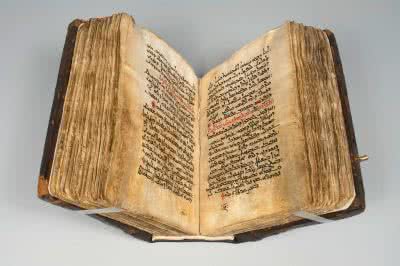
manuscript

/ˈmæn.jə.skrɪpt/

(noun) 写本, 原稿

例:

The ancient manuscript was carefully preserved in the museum.
その古代の写本は博物館で慎重に保存されていた。

march

/mɑːrtʃ/

(verb) 行進する, 歩く, ずんずん歩く;

(noun) 行進, 行進曲, 3月

例:

The soldiers marched in perfect formation.
兵士たちは完璧な隊列で行進した

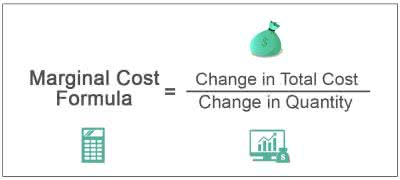
marginal

/ˈmɑːr.dʒɪ.nəl/

(adjective) 欄外の, 端の, 取るに足らない

例:

There was a marginal note in the book.
本には欄外のメモがあった。

marine

/məˈriːn/

(adjective) 海洋の, 海の, 船舶の;

(noun) 海兵隊員, 海兵

例:

The scientist studies marine life.
その科学者は海洋生物を研究している。

marketplace

/ˈmɑːr.kɪt.pleɪs/

(noun) 市場, マーケット, 商取引の場

例:

The old town square used to be a bustling marketplace.
旧市街の広場はかつて賑やかな市場でした。

mask

/mæsk/

(noun) マスク, 仮面, フェイスマスク;

(verb) 覆う, 隠す

例:
She wore a decorative mask to the masquerade ball.
彼女は仮面舞踏会に装飾的なマスクを着用した。

massacre

/ˈmæs.ə.kɚ/

(noun) 虐殺, 大虐殺;

(verb) 虐殺する, 皆殺しにする

例:

The historical records describe a horrific massacre of innocent villagers.
歴史的記録には、罪のない村人たちの恐ろしい虐殺が記述されている。

mathematical

/ˌmæθˈmæt̬.ɪ.kəl/

(adjective) 数学の, 数学的な, 正確な

例:

She has a strong background in mathematical logic.
彼女は数学的論理学に強い背景を持っている。

mature

/məˈtʃʊr/

(adjective) 成熟した, 熟した, 思慮深い;

(verb) 成熟する, 熟す, 満期になる

例:
She is very mature for her age.
彼女は年齢の割にとても成熟している

maximize

/ˈmæk.sə.maɪz/

(verb) 最大化する, 最大限にする

例:

We need to maximize our profits this quarter.
今四半期は利益を最大化する必要があります。

meaningful

/ˈmiː.nɪŋ.fəl/

(adjective) 有意義な, 意味のある, 重要な

例:

She found a meaningful career in social work.
彼女はソーシャルワークで有意義なキャリアを見つけた。

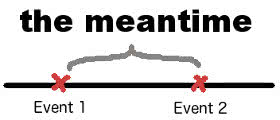
meantime

/ˈmiːn.taɪm/

(noun) その間, それまでの間;

(adverb) その間, それまでの間

例:

The new system will be ready next month; in the meantime, we'll use the old one.
新しいシステムは来月準備ができます。それまでの間、古いものを使います。

medieval

/ˌmed.iˈiː.vəl/

(adjective) 中世の, 時代遅れの, 原始的な

例:

They visited a well-preserved medieval castle.
彼らは保存状態の良い中世の城を訪れた。

meditation

/ˌmed.əˈteɪ.ʃən/

(noun) 瞑想, 熟考

例:

She practices meditation daily to reduce stress.
彼女はストレスを軽減するために毎日瞑想を実践しています。

melody

/ˈmel.ə.di/

(noun) メロディー, 旋律

例:

The song has a beautiful melody.
その歌には美しいメロディーがある。

memo

/ˈmem.oʊ/

(noun) メモ, 回覧

例:

Please read this memo regarding the new company policy.
新しい会社の方針に関するこのメモを読んでください。

memoir

/ˈmem.wɑːr/

(noun) 回顧録, 自伝

例:

She published a memoir of her time as a war correspondent.
彼女は戦場特派員としての経験を綴った回顧録を出版した。

memorial

/məˈmɔːr.i.əl/

(noun) 記念碑, 記念物, 記念;

(adjective) 記念の, 追悼の

例:

The city erected a new memorial to honor the fallen soldiers.
市は戦没者を追悼するために新しい記念碑を建立した。

mentor

/ˈmen.tɔːr/

(noun) メンター, 指導者;

(verb) 指導する, 助言する

例:

She found a great mentor who guided her through her career.
彼女はキャリアを通じて彼女を導いてくれる素晴らしいメンターを見つけた。

merchant

/ˈmɝː.tʃənt/

(noun) 商人, 貿易商

例:

The silk merchant traveled extensively to source the finest fabrics.
絹商人は最高の生地を求めて広範囲に旅をした。

mercy

/ˈmɝː.si/

(noun) 慈悲, 哀れみ, 幸い

例:

The judge showed mercy to the young offender.
裁判官は若い犯罪者に慈悲を示した。

mere

/mɪr/

(adjective) 単なる, ただの

例:

It was a mere misunderstanding.
それは単なる誤解でした。

merely

/ˈmɪr.li/

(adverb) 単に, ただ

例:

It was merely a suggestion, not a command.
それは単なる提案であり、命令ではありませんでした。

merge

/mɝːdʒ/

(verb) 合併する, 合流する, 統合する

例:

The two companies decided to merge.
2つの会社は合併することを決定した。

merger

/ˈmɝː.dʒɚ/

(noun) 合併, 統合

例:

The two companies announced a merger to create a global powerhouse.
両社は世界的な大企業を創出するための合併を発表した。

merit

/ˈmer.ɪt/

(noun) 価値, 長所, 功績;

(verb) 値する, ふさわしい

例:

The proposal has considerable merit.
その提案にはかなりの価値がある。

methodology

/ˌmeθ.əˈdɑː.lə.dʒi/

(noun) 方法論, 手法

例:

The research team developed a new methodology for data analysis.
研究チームはデータ分析のための新しい方法論を開発した。

midst

/mɪdst/

(noun) 真ん中, 真っ只中;

(preposition) 中に, 間に

例:

He found himself in the midst of a large crowd.
彼は大勢の群衆の真ん中にいることに気づいた。

migration

/maɪˈɡreɪ.ʃən/

(noun) 移動, 渡り, 移住

例:

The annual migration of wildebeest across the Serengeti is a spectacular sight.
セレンゲティを横断するヌーの毎年恒例の移動は壮観な光景です。

militant

/ˈmɪl.ə.tənt/

(adjective) 過激な, 好戦的な, 攻撃的な;

(noun) 過激派, 活動家

例:
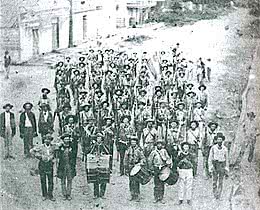
The group adopted a more militant stance after the protests.
そのグループは抗議の後、より過激な姿勢をとった。

militia

/məˈlɪʃ.ə/

(noun) 民兵, 市民軍

例:

The local militia was called upon to defend the town.
地元の民兵が町の防衛のために招集された。

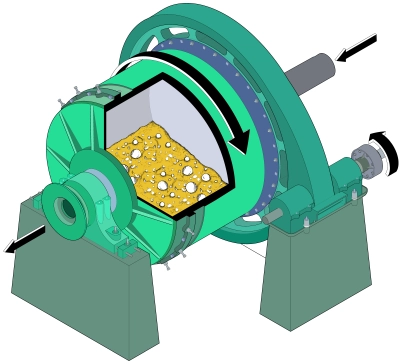
mill

/mɪl/

(noun) 製粉所, 水車小屋, 工場;

(verb) 製粉する, ひく, 削り出す

例:
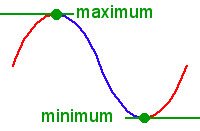
The old water mill still stands by the river.
古い水車小屋はまだ川のそばに立っている。

minimal

/ˈmɪn.ə.məl/

(adjective) 最小限の, ごくわずかな, ミニマルな

例:

The damage to the car was minimal.
車への損害は最小限だった。

minimize

/ˈmɪn.ə.maɪz/

(verb) 最小限に抑える, 最小化する, 過小評価する

例:

We need to minimize the risks involved in this project.
このプロジェクトに伴うリスクを最小限に抑える必要があります。

mining

/ˈmaɪ.nɪŋ/

(noun) 採掘, 鉱業, 機雷敷設;

(verb) 採掘する, 掘る

例:

Coal mining is a major industry in this region.
石炭採掘はこの地域の主要産業です。

ministry

/ˈmɪn.ɪ.stri/

(noun) 省, 省庁, 聖職

例:

The Ministry of Education announced new reforms.
教育は新しい改革を発表した。

minute

/ˈmɪn.ɪt/

(noun) 分, ちょっとの間, わずかな時間;

(adjective) 微細な, 綿密な

例:

The meeting will start in five minutes.
会議は5分後に始まります。

miracle

/ˈmɪr.ə.kəl/

(noun) 奇跡, 驚くべき出来事

例:

The doctors said it was a miracle that he survived the accident.
医師たちは、彼が事故から生還したのは奇跡だと言った。

misery

/ˈmɪz.ɚ.i/

(noun) 悲惨, 不幸, 苦痛

例:

He endured years of misery after losing his family.
彼は家族を失った後、何年もの苦しみに耐えた。

misleading

/ˌmɪsˈliː.dɪŋ/

(adjective) 誤解を招く, 紛らわしい

例:

The advertisement was highly misleading.
その広告は非常に誤解を招くものだった。

missile

/ˈmɪs.əl/

(noun) ミサイル, 投擲物

例:

The anti-aircraft missile intercepted the enemy plane.
対空ミサイルが敵機を迎撃した。

mob

/mɑːb/

(noun) 暴徒, 群衆, 大衆;

(verb) 群がる, 殺到する

例:

The angry mob gathered outside the courthouse.
怒った暴徒が裁判所の外に集まった。

mobility

/moʊˈbɪl.ə.t̬i/

(noun) 移動性, 可動性, 流動性

例:

The new design improves the mobility of the wheelchair.
新しいデザインは車椅子の移動性を向上させる。

mobilize

/ˈmoʊ.bə.laɪz/

(verb) 動員する, 招集する, 活性化する

例:

The government decided to mobilize its reserve forces.
政府は予備軍を動員することを決定した。

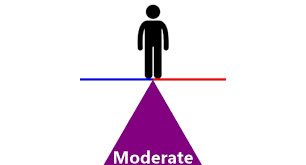
moderate

/ˈmɑː.dɚ.ət/

(adjective) 中程度の, 適度の, 穏健な;

(verb) 緩和する, 抑える, 司会する

例:

She achieved moderate success in her career.
彼女はキャリアで中程度の成功を収めた。

modification

/ˌmɑː.də.fəˈkeɪ.ʃən/

(noun) 修正, 変更, 改造

例:

The architect proposed a modification to the building's design.
建築家は建物の設計に修正を提案した。

momentum

/məˈmen.t̬əm/

(noun) 運動量, 勢い, 推進力

例:

The car gained momentum as it rolled down the hill.
車は丘を転がり落ちるにつれて勢いを増した。

monk

/mʌŋk/

(noun) 修道士, 僧侶

例:

The monk devoted his life to prayer and meditation.
その修道士は祈りと瞑想に人生を捧げた。

monopoly

/məˈnɑː.pəl.i/

(noun) 独占, モノポリー, ボードゲームのモノポリー

例:

The company has a virtual monopoly on the market.
その会社は市場で事実上の独占状態にある。

morality

/məˈræl.ə.t̬i/

(noun) 道徳, 倫理, モラル

例:

The debate touched upon issues of ethics and morality.
議論は倫理と道徳の問題に触れた。

motive

/ˈmoʊ.t̬ɪv/

(noun) 動機, 理由;

(verb) 動機を与える, やる気にさせる

例:

The police are still investigating the killer's motive.
警察はまだ殺人犯の動機を捜査している。

motorist

/ˈmoʊ.t̬ɚ.ɪst/

(noun) 運転手, ドライバー

例:

The motorist stopped at the red light.
運転手は赤信号で止まった。

municipal

/mjuːˈnɪs.ə.pəl/

(adjective) 市の, 地方自治体の

例:

The municipal government is responsible for local services.
政府は地方サービスを担当しています。

mutual

/ˈmjuː.tʃu.əl/

(adjective) 相互の, 共通の

例:

Their respect for each other was mutual.
彼らのお互いへの尊敬は相互的だった。
Lingolandでこの語彙セットを学習