
Oxford 3000 - B2 内 B2 - 文字 O 語彙セット:完全かつ詳細なリスト
「Oxford 3000 - B2」内の「B2 - 文字 O」語彙セットは国際標準教材から厳選され、短期間で語彙をマスターできます。定義、例文、標準発音を網羅…
Lingolandでこの語彙セットを学習
今すぐ学習

/ˈɑːb.dʒɪkt/
(noun) 物体, 物, 対象;
(verb) 反対する, 異議を唱える
例:
She picked up a strange object from the ground.
彼女は地面から奇妙な物体を拾い上げた。

/əbˈdʒek.tɪv/
(noun) 目標, 目的;
(adjective) 客観的な, 公平な
例:
Our main objective is to increase sales by 20%.
私たちの主な目標は、売上を20%増やすことです。
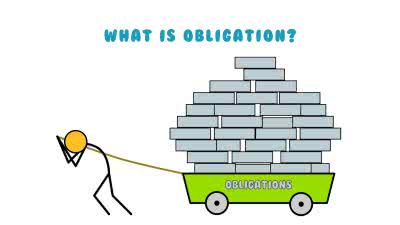
/ˌɑː.bləˈɡeɪ.ʃən/
(noun) 義務, 責務, 拘束
例:
He has a moral obligation to help his family.
彼には家族を助ける道徳的な義務がある。

/ˌɑːb.zɚˈveɪ.ʃən/
(noun) 観察, 観測, 意見
例:
Careful observation of the patient's symptoms is crucial for diagnosis.
患者の症状を注意深く観察することは診断に不可欠です。

/əbˈzɝːv/
(verb) 観察する, 注視する, 述べる
例:
The police observed the suspect's movements.
警察は容疑者の動きを観察した。

/əbˈteɪn/
(verb) 得る, 入手する, 普及している
例:
He managed to obtain a copy of the report.
彼は報告書のコピーを入手することができた。
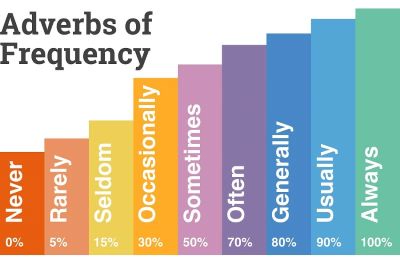
/əˈkeɪ.ʒən.əl.i/
(adverb) 時々, たまに
例:
We occasionally go out for dinner on weekends.
週末には時々外食します。


/əˈfend/
(verb) 不快にさせる, 気分を害する, 違反する
例:
His rude comments offended everyone in the room.
彼の失礼なコメントは部屋中の全員を不快にさせた。

/əˈfen.sɪv/
(adjective) 不快な, 攻撃的な, 攻勢の;
(noun) 攻勢, 攻撃
例:
His remarks were highly offensive to the audience.
彼の発言は聴衆にとって非常に不快だった。

/əˈfɪʃ.əl/
(adjective) 公式の, 正式な, 承認された;
(noun) 役人, 職員
例:
The mayor made an official announcement.
市長は公式発表を行った。
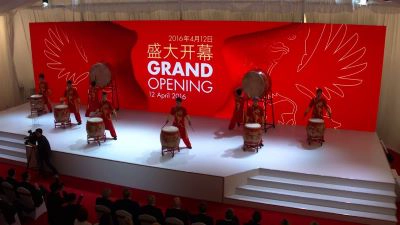
/ˈoʊp.nɪŋ/
(noun) 開店, 開会, 開口部;
(adjective) 冒頭の, 最初の
例:
The opening of the new store attracted a large crowd.
新しい店の開店は多くの人を引きつけた。

/ˈɑː.pə.reɪt/
(verb) 操作する, 運用する, 機能する
例:
Can you show me how to operate this new coffee machine?
この新しいコーヒーメーカーの操作方法を教えていただけますか?
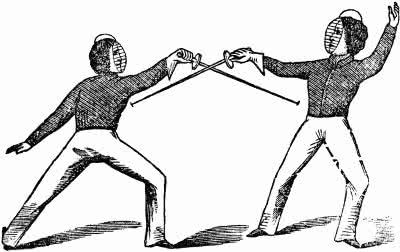
/əˈpoʊ.nənt/
(noun) 対戦相手, 敵, 反対者
例:
He defeated his opponent in the final round.
彼は最終ラウンドで対戦相手を破った。


/əˈpoʊzd/
(adjective) 反対の, 対立する
例:
Most people are opposed to the new tax.
ほとんどの人が新しい税金に反対している。

/ˌɑː.pəˈzɪʃ.ən/
(noun) 反対, 抵抗, 野党
例:
There was strong opposition to the new policy.
新しい政策には強い反対があった。


/ˈʌð.ɚ.waɪz/
(adverb) さもないと, そうでなければ, それ以外は;
(adjective) そうではない, 別の
例:
You need to study hard; otherwise, you will fail the exam.
一生懸命勉強しなさい。さもないと、試験に落ちるよ。
/ˈaʊt.kʌm/
(noun) 結果, 成果, 結末
例:
The outcome of the election was a surprise to everyone.
選挙の結果は皆にとって驚きだった。
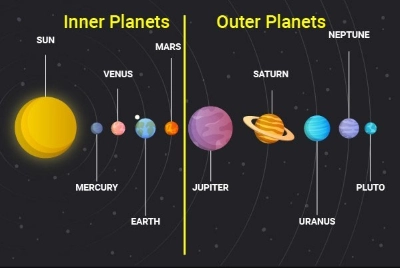
/ˈaʊ.t̬ɚ/
(adjective) 外側の, 中心から遠い
例:
The outer layer of the coat is waterproof.
コートの外側の層は防水です。

/ˈaʊt.laɪn/
(noun) 概要, 輪郭, 大綱;
(verb) 輪郭を描く, 概要を述べる, 概説する
例:
He drew an outline of the proposed building.
彼は提案された建物の概要を描いた。
/ˌoʊ.vɚˈɑːl/
(adjective) 全体的な, 総合的な;
(adverb) 全体的に, 概して;
(noun) つなぎ, オーバーオール
例:
The overall cost of the project was higher than expected.
プロジェクトの全体的な費用は予想よりも高かった。

/oʊ/
(verb) 借りる, 負う, 感謝する
例:
I owe you twenty dollars for the concert ticket.
コンサートのチケット代として20ドル借りています。