Avatar of Vocabulary Set B2 - 文字 C

Oxford 3000 - B2 内 B2 - 文字 C 語彙セット:完全かつ詳細なリスト

「Oxford 3000 - B2」内の「B2 - 文字 C」語彙セットは国際標準教材から厳選され、短期間で語彙をマスターできます。定義、例文、標準発音を網羅…

Lingolandでこの語彙セットを学習

今すぐ学習

cable

/ˈkeɪ.bəl/

(noun) ケーブル, 綱, 電線;

(verb) 電報で送る, ケーブルで送る

例:

The bridge is supported by strong steel cables.
橋は強力な鋼鉄製のケーブルで支えられている。

calculate

/ˈkæl.kjə.leɪt/

(verb) 計算する, 算出する, 評価する

例:

Can you calculate the total cost?
合計費用を計算できますか?

cancel

/ˈkæn.səl/

(verb) キャンセルする, 中止する, 取り消す;

(noun) 消印, 取り消し線

例:

We had to cancel our trip due to bad weather.
悪天候のため、旅行をキャンセルしなければならなかった。

cancer

/ˈkæn.sɚ/

(noun) がん, 癌, 蟹座

例:

She is undergoing treatment for lung cancer.
彼女は肺がんの治療を受けている。

capable

/ˈkeɪ.pə.bəl/

(adjective) 能力がある, 有能な, できる

例:

She is capable of handling difficult situations.
彼女は困難な状況に対処する能力がある

capacity

/kəˈpæs.ə.t̬i/

(noun) 容量, 収容能力, 能力

例:

The hall has a seating capacity of 500 people.
このホールの収容人数は500人です。

capture

/ˈkæp.tʃɚ/

(verb) 捕らえる, 捕獲する, 占領する;

(noun) 捕獲, 捕らえること, 占領

例:

The police managed to capture the suspect after a long chase.
警察は長い追跡の末、容疑者を捕らえることに成功した。

cast

/kæst/

(verb) 投げる, 放る, 投票する;

(noun) 出演者, キャスト, 鋳物

例:

He cast his fishing line into the lake.
彼は釣り糸を湖に投げ入れました

catch

/kætʃ/

(verb) 捕まえる, 受け止める, 見つける;

(noun) キャッチボール, 捕球, 落とし穴

例:

She managed to catch the ball with one hand.
彼女は片手でボールを捕らえることができた。

cell

/sel/

(noun) 独房, 小部屋, 細胞

例:

The prisoner was confined to a solitary cell.
囚人は独房に監禁された。

chain

/tʃeɪn/

(noun) 鎖, チェーン, 連鎖店;

(verb) 鎖でつなぐ, 縛る

例:

The dog was tied to a post with a heavy chain.
犬は重い鎖で柱につながれていた。

chair

/tʃer/

(noun) 椅子, 議長, 主任;

(verb) 議長を務める, 司会する

例:

Please take a chair and sit down.
椅子に座ってください。

chairman

/ˈtʃer.mən/

(noun) 議長, 会長;

(verb) 議長を務める, 司会する

例:

The chairman opened the meeting with a brief introduction.
議長は簡単な紹介で会議を開いた。

challenge

/ˈtʃæl.ɪndʒ/

(noun) 挑戦, 果たし状, 課題;

(verb) 挑戦する, 異議を唱える, 疑問を呈する

例:
He accepted the challenge to a duel.
彼は決闘の挑戦を受け入れた。

characteristic

/ˌker.ək.təˈrɪs.tɪk/

(noun) 特徴, 特性;

(adjective) 特徴的な, 典型的な

例:
One characteristic of a good leader is integrity.
良いリーダーの特徴の一つは誠実さです。

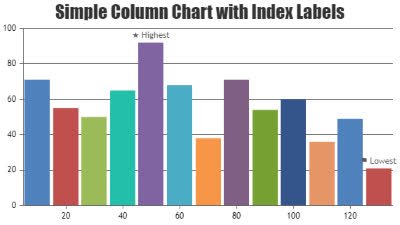
chart

/tʃɑːrt/

(noun) 図, グラフ, 海図;

(verb) 図示する, 記録する, 追跡する

例:

The sales figures are shown on the chart.
売上高はグラフに示されています。

chief

/tʃiːf/

(noun) 長, 首長, 主任;

(adjective) 主な, 主要な

例:

The chief of the tribe made an important announcement.
部族のが重要な発表をした。

circumstance

/ˈsɝː.kəm.stæns/

(noun) 状況, 事情, 境遇

例:

The police are investigating the circumstances of her death.
警察は彼女の死の状況を調査している。

cite

/saɪt/

(verb) 引用する, 言及する, 挙げる

例:

He cited several sources in his research paper.
彼は研究論文でいくつかの情報源を引用した

citizen

/ˈsɪt̬.ə.zən/

(noun) 市民, 国民, 住民

例:

Every citizen has the right to vote.
すべての市民には投票する権利がある。

civil

/ˈsɪv.əl/

(adjective) 市民の, 民間の, 礼儀正しい

例:

The government is focused on civil liberties.
政府は市民の自由を重視している。

classic

/ˈklæs.ɪk/

(adjective) 古典的な, 傑作の, 素晴らしい;

(noun) 古典, 名作

例:

Her new album is a classic.
彼女の新しいアルバムは名作だ。

close

/kloʊz/

(verb) 閉める, 閉じる, 終える;

(adjective) 近い, 親しい, 忠実な;

(adverb) 近く, 間近に

例:

Please close the door when you leave.
お帰りの際はドアを閉めてください。

closely

/ˈkloʊs.li/

(adverb) 密接に, 近くに, 綿密に

例:

The two cars followed each other closely.
2台の車は密接にお互いを追跡した。

collapse

/kəˈlæps/

(verb) 崩壊する, 倒れる, 暴落する;

(noun) 崩壊, 倒壊, 破綻

例:

The old bridge finally collapsed under the heavy load.
古い橋は重い荷物の下でついに崩壊した

combination

/ˌkɑːm.bəˈneɪ.ʃən/

(noun) 組み合わせ, 結合, 暗証番号

例:

The dish was a delicious combination of sweet and savory flavors.
その料理は甘味と塩味の美味しい組み合わせでした。

comfort

/ˈkʌm.fɚt/

(noun) 快適さ, 安らぎ, 慰め;

(verb) 慰める, 安心させる

例:

She found comfort in the soft armchair.
彼女は柔らかい肘掛け椅子に安らぎを見つけた。

command

/kəˈmænd/

(noun) 命令, 指令, 支配;

(verb) 命令する, 指揮する, 支配する

例:

The officer gave a clear command to his troops.
将校は部隊に明確な命令を下した。

commission

/kəˈmɪʃ.ən/

(noun) 依頼, 任務, 手数料;

(verb) 依頼する, 発注する, 就役させる

例:

He received a commission to paint the mayor's portrait.
彼は市長の肖像画を描く依頼を受けた。

commitment

/kəˈmɪt.mənt/

(noun) 献身, 専念, 約束

例:

Her commitment to her studies was admirable.
彼女の学業への献身は立派だった。

committee

/kəˈmɪt̬.i/

(noun) 委員会, 委員

例:

The finance committee meets every Tuesday.
財務委員会は毎週火曜日に開催されます。

commonly

/ˈkɑː.mən.li/

(adverb) 一般的に, 通常, よく

例:

It's commonly known that exercise is good for health.
運動が健康に良いことは一般的に知られています。

complex

/kɑːmˈpleks/

(adjective) 複雑な, 入り組んだ, 理解しにくい;

(noun) 複合施設, 団地, コンプレックス

例:

The human brain is a highly complex organ.
人間の脳は非常に複雑な器官です。

complicated

/ˈkɑːm.plə.keɪ.t̬ɪd/

(adjective) 複雑な, 入り組んだ, 理解しにくい

例:

The instructions were too complicated for me to follow.
指示は私にはあまりにも複雑で、従うことができませんでした。

component

/kəmˈpoʊ.nənt/

(noun) 構成要素, 部品, 成分;

(adjective) 構成する, 成分の

例:

The engine is a crucial component of the car.
エンジンは車の重要な部品です。

concentration

/ˌkɑːn.sənˈtreɪ.ʃən/

(noun) 集中, 集中力, 濃度

例:

He needs to improve his concentration during studies.
彼は勉強中の集中力を向上させる必要がある。

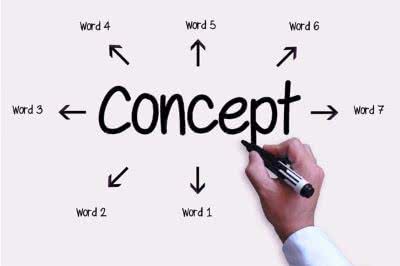
concept

/ˈkɑːn.sept/

(noun) 概念, 着想, 構想

例:

The concept of time travel is fascinating.
タイムトラベルの概念は魅力的だ。

concern

/kənˈsɝːn/

(noun) 関心事, 懸念, 会社;

(verb) 関する, 関係する, 心配させる

例:

The safety of the children is my main concern.
子供たちの安全が私の主な関心事です。

concerned

/kənˈsɝːnd/

(adjective) 心配している, 懸念している, 関係している

例:

She was very concerned about her son's health.
彼女は息子の健康をとても心配していた。

conduct

/kənˈdʌkt/

(noun) 行動, 運営, 進行;

(verb) 行う, 実施する, 指揮する

例:

The conduct of the meeting was very professional.
会議の進行は非常にプロフェッショナルでした。

confidence

/ˈkɑːn.fə.dəns/

(noun) 信頼, 自信, 自己肯定感

例:

She has great confidence in her team's abilities.
彼女はチームの能力に大きな信頼を置いている。

conflict

/ˈkɑːn.flɪkt/

(noun) 対立, 紛争, 衝突;

(verb) 矛盾する, 対立する, 衝突する

例:

There was a lot of conflict between the two brothers.
二人の兄弟の間には多くの対立があった。

confusing

/kənˈfjuː.zɪŋ/

(adjective) 分かりにくい, 混乱させる

例:

The instructions were very confusing.
指示は非常に分かりにくかった

conscious

/ˈkɑːn.ʃəs/

(adjective) 意識がある, 気づいている, 意識している

例:

The patient was fully conscious after the surgery.
患者は手術後、完全に意識が戻った

conservative

/kənˈsɝː.və.t̬ɪv/

(noun) 保守派, 保守主義者;

(adjective) 保守的な, 伝統的な

例:
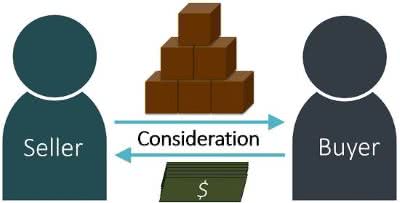
My grandfather is a staunch conservative.
私の祖父は筋金入りの保守派です。

consideration

/kənˌsɪd.əˈreɪ.ʃən/

(noun) 考慮, 検討, 考慮事項

例:

After much consideration, she decided to accept the job offer.
熟考の末、彼女はその仕事のオファーを受け入れることにした。

consistent

/kənˈsɪs.tənt/

(adjective) 一貫した, 矛盾のない, 安定した

例:

Her performance has been consistent throughout the season.
彼女のパフォーマンスはシーズンを通して一貫しています。

constant

/ˈkɑːn.stənt/

(adjective) 絶え間ない, 一定の, 不変の;

(noun) 定数

例:

The machine makes a constant humming noise.
その機械は絶え間ないハミング音を立てる。

constantly

/ˈkɑːn.stənt.li/

(adverb) 常に, 絶えず

例:

The weather here is constantly changing.
ここの天気は常に変わる。

construct

/kənˈstrʌkt/

(verb) 建設する, 構築する, 構成する;

(noun) 構成概念, 構築物

例:

They plan to construct a new bridge over the river.
彼らは川に新しい橋を建設する予定です。

construction

/kənˈstrʌk.ʃən/

(noun) 建設, 建築, 構造物

例:

The construction of the new bridge will take two years.
新しい橋の建設には2年かかるでしょう。

contemporary

/kənˈtem.pə.rer.i/

(adjective) 同時代の, 同時の, 現代の;

(noun) 同時代人, 同僚

例:

The artist's work is often compared to that of his contemporary peers.
その芸術家の作品は、しばしば彼の同時代の仲間たちの作品と比較される。

contest

/ˈkɑːn.test/

(noun) コンテスト, 競争;

(verb) 異議を唱える, 争う, 競う

例:

She won the singing contest.
彼女は歌のコンテストで優勝した。

contract

/ˈkɑːn.trækt/

(noun) 契約, 協定;

(verb) 収縮する, 縮小する, かかる

例:

They signed a contract for the new house.
彼らは新しい家の契約に署名した。

contribute

/kənˈtrɪb.juːt/

(verb) 貢献する, 寄付する, 一因となる

例:

He contributed a large sum to the charity.
彼は慈善団体に多額の寄付をした

contribution

/ˌkɑːn.trɪˈbjuː.ʃən/

(noun) 貢献, 寄付, 寄与

例:

We made a significant contribution to the charity.
私たちは慈善団体に多大な貢献をしました。

convert

/kənˈvɝːt/

(verb) 変換する, 改造する, 転換する;

(noun) 改宗者, 転向者

例:
They decided to convert the old barn into a guesthouse.
彼らは古い納屋をゲストハウスに改造することにした。

convinced

/kənˈvɪnst/

(adjective) 確信している, 納得している;

(verb) 説得する, 納得させる

例:

I am convinced that he is telling the truth.
彼が真実を言っていると確信しています。

core

/kɔːr/

(noun) 核心, 中心, 核;

(verb) 芯を取る, くり抜く;

(adjective) 中核の, 主要な

例:

The core of the issue is lack of communication.
問題の核心はコミュニケーション不足です。

corporate

/ˈkɔːr.pɚ.ət/

(adjective) 企業の, 法人の, 団体の

例:

The company announced a new corporate strategy.
その会社は新しい企業戦略を発表した。

council

/ˈkaʊn.səl/

(noun) 評議会, 議会, 会議

例:

The city council approved the new zoning laws.
議会は新しい区画整理法を承認した。

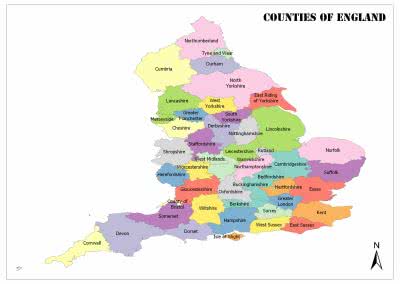
county

/ˈkaʊn.t̬i/

(noun) 郡, 県

例:

The new regulations apply to all residents within the county.
新しい規制は、内のすべての住民に適用されます。

courage

/ˈkɝː.ɪdʒ/

(noun) 勇気, 度胸

例:

She showed great courage in facing her fears.
彼女は恐怖に立ち向かう大きな勇気を示した。

crash

/kræʃ/

(noun) 衝突, 墜落, ガチャンという音;

(verb) 衝突する, 墜落する, ガチャンと音を立てる;

(adjective) 衝突の, 集中的な;

(adverb) ガチャンと, 激しい音を立てて

例:

There was a serious car crash on the highway.
高速道路で深刻な自動車事故がありました。

creation

/kriˈeɪ.ʃən/

(noun) 創造, 創作, 生成

例:

The creation of the universe is a profound mystery.
宇宙の創造は深遠な謎である。

creature

/ˈkriː.tʃɚ/

(noun) 生き物, 動物, 人間

例:

The forest is home to many wild creatures.
森には多くの野生の生き物が生息している。

credit

/ˈkred.ɪt/

(noun) 信用, クレジット, 貸方;

(verb) 入金する, 貸方記入する, 功績とする

例:

Can I buy this on credit?
これをクレジットで買えますか?

crew

/kruː/

(noun) 乗組員, クルー, チーム;

(verb) 乗組員を務める, クルーとして働く

例:

The ship's crew prepared for departure.
船の乗組員は出発の準備をした。

crisis

/ˈkraɪ.sɪs/

(noun) 危機, 難局, 転換点

例:

The country is facing an economic crisis.
その国は経済危機に直面している。

criterion

/kraɪˈtɪr.i.ən/

(noun) 基準, 標準

例:

The main criterion for selection is fluency in English.
選考の主な基準は英語の流暢さです。

critic

/ˈkrɪt̬.ɪk/

(noun) 批評家, 批判者, 評論家

例:

The play received harsh reviews from the critics.
その劇は批評家から厳しい評価を受けた。

critical

/ˈkrɪt̬.ɪ.kəl/

(adjective) 批判的な, 極めて重要な, 決定的な

例:

He received a lot of critical feedback on his performance.
彼は自分のパフォーマンスについて多くの批判的なフィードバックを受けました。

criticism

/ˈkrɪt̬.ɪ.sɪ.zəm/

(noun) 批判, 非難, 批評

例:

The play received a lot of criticism from the audience.
その劇は観客から多くの批判を受けた。

criticize

/ˈkrɪt̬.ɪ.saɪz/

(verb) 批判する, 非難する, 批評する

例:

It's easy to criticize others, but harder to offer solutions.
他人を批判するのは簡単だが、解決策を提示するのは難しい。

crop

/krɑːp/

(noun) 作物, 収穫, 短髪;

(verb) 刈り込む, 耕作する, 短く切る

例:

Wheat is a major crop in this region.
小麦はこの地域の主要な作物です。

crucial

/ˈkruː.ʃəl/

(adjective) 極めて重要な, 決定的な

例:

It is crucial that we act immediately.
直ちに行動することが極めて重要です。

cry

/kraɪ/

(verb) 泣く, 叫ぶ, 大声を出す;

(noun) 叫び, 大声, 泣き

例:

The baby started to cry when he was hungry.
お腹が空くと赤ちゃんは泣き始めた。

cure

/kjʊr/

(noun) 治療法, 治療薬;

(verb) 治す, 治療する, 熟成させる

例:

Scientists are still searching for a cure for cancer.
科学者たちはまだ癌の治療法を探している。

current

/ˈkɝː.ənt/

(adjective) 現在の, 今の;

(noun) 流れ, 潮流, 電流

例:

What's your current address?
あなたの現在の住所は何ですか?

curve

/kɝːv/

(noun) カーブ, 曲線, 統計曲線;

(verb) カーブする, 曲がる

例:

The road has a sharp curve ahead.
この先、道は急なカーブになっている。

curved

/kɝːvd/

(adjective) 湾曲した, カーブした;

(past participle) カーブした, 曲がった

例:

The road has a sharp curved bend.
その道には急なカーブした曲がり角がある。
Lingolandでこの語彙セットを学習