Avatar of Vocabulary Set B1 - 文字 T

Oxford 3000 - B1 内 B1 - 文字 T 語彙セット:完全かつ詳細なリスト

「Oxford 3000 - B1」内の「B1 - 文字 T」語彙セットは国際標準教材から厳選され、短期間で語彙をマスターできます。定義、例文、標準発音を網羅…

Lingolandでこの語彙セットを学習

今すぐ学習

tail

/teɪl/

(noun) しっぽ, 尾, 尾部;

(verb) 尾行する, 追跡する

例:

The dog wagged its tail excitedly.
犬は興奮してしっぽを振った。

talent

/ˈtæl.ənt/

(noun) 才能, 素質, 人材

例:

She has a natural talent for music.
彼女は音楽の才能がある。

talented

/ˈtæl.ən.t̬ɪd/

(adjective) 才能のある, 有能な

例:

She is a very talented musician.
彼女はとても才能のある音楽家です。

tape

/teɪp/

(noun) テープ, ひも, カセット;

(verb) テープで留める, 貼る, 録画する

例:

Please use some tape to seal the box.
箱を封をするのにテープを使ってください。

tax

/tæks/

(noun) 税金, 租税;

(verb) 課税する, 税金をかける, 消耗させる

例:

The government increased the sales tax.
政府は消費を引き上げた。

technical

/ˈtek.nɪ.kəl/

(adjective) 技術的な, 専門的な, 工学的な

例:

The manual provides detailed technical specifications.
マニュアルには詳細な技術仕様が記載されています。

technique

/tekˈniːk/

(noun) 技術, 技法

例:

He has a unique painting technique.
彼はユニークな絵画技法を持っている。

tend

/tend/

(verb) 傾向がある, 〜しがちである, 世話をする

例:

People tend to be happier in the summer.
人々は夏により幸せになる傾向があります。

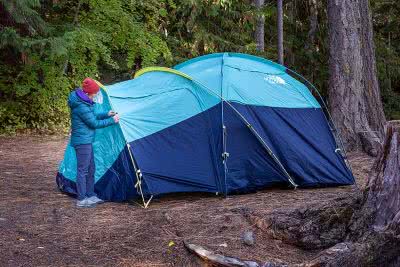
tent

/tent/

(noun) テント;

(verb) テントを張る, キャンプする

例:

We set up our tent near the river.
私たちは川の近くにテントを張った。

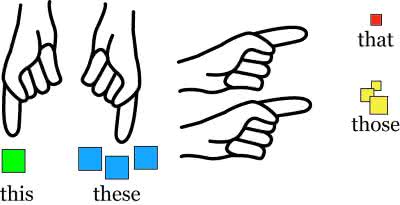
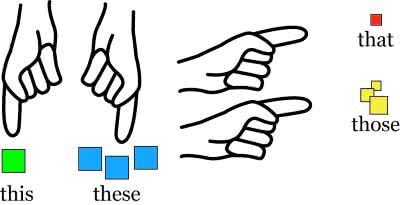
that

/ðæt/

(determiner) あの;

(pronoun) あれ;

(adverb) それほど, そんなに;

(conjunction) と, こと, が

例:

Look at that beautiful sunset!
あの美しい夕日を見て!

theirs

/ðerz/

(pronoun) 彼らのもの, 彼女らのもの

例:

The house is theirs.
その家は彼らのものです。

theme

/θiːm/

(noun) テーマ, 主題, 旋律;

(verb) テーマにする, 主題とする

例:
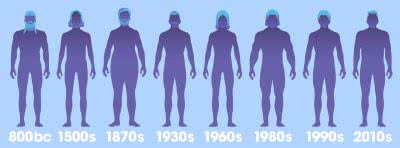
The main theme of the novel is love and loss.
小説の主なテーマは愛と喪失です。

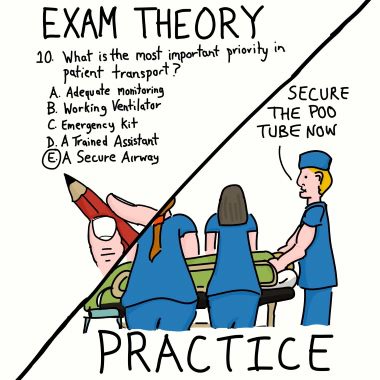
theory

/ˈθɪr.i/

(noun) 理論, 学説, 原理

例:

The scientist proposed a new theory about the origin of the universe.
科学者は宇宙の起源に関する新しい理論を提唱した。

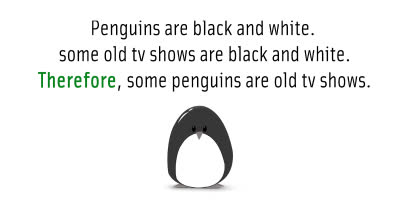
therefore

/ˈðer.fɔːr/

(adverb) したがって, それゆえに, そのため

例:

She was ill, and therefore unable to attend the meeting.
彼女は病気だったので、したがって会議に出席できませんでした。

this

/ðɪs/

(determiner) この;

(pronoun) これ;

(adverb) これほど, このように

例:
Don't listen to this guy.
この男に耳を貸さないで。

though

/ðoʊ/

(conjunction) 〜だけれど, 〜にもかかわらず;

(adverb) しかし, 〜だけれど

例:

Though it was raining, we went for a walk.
雨が降っていたけれど、散歩に出かけた。

throat

/θroʊt/

(noun) 喉, 口, 入り口;

(verb) 発する, 歌う

例:

She cleared her throat before speaking.
彼女は話す前にを鳴らした。

throughout

/θruːˈaʊt/

(preposition) 〜の至る所に, 〜の隅々まで, 〜の間ずっと;

(adverb) 全体に, あらゆる点で

例:

The house was decorated throughout.
家は全体に装飾されていた。

tight

/taɪt/

(adjective) きつい, しっかりした, 密閉された;

(adverb) きつく, しっかりと, ぴたりと

例:

Make sure the lid is tight.
蓋がしっかり閉まっているか確認してください。

till

/tɪl/

(preposition) まで;

(conjunction) まで;

(noun) レジ, 金銭登録機;

(verb) 耕す, 開墾する

例:

Let's wait till tomorrow.
明日まで待ちましょう。

tin

/tɪn/

(noun) スズ, ブリキ, 缶;

(verb) 缶詰にする

例:

The roof was made of corrugated tin.
屋根は波形ブリキ製だった。

tiny

/ˈtaɪ.ni/

(adjective) 小さい, ごく小さい

例:

The baby's fingers were so tiny.
赤ちゃんの指はとても小さい

tip

/tɪp/

(noun) チップ, ヒント, 助言;

(verb) チップを渡す, ひっくり返す, 傾ける

例:
He left a generous tip for the waiter.
彼はウェイターに気前の良いチップを残した。

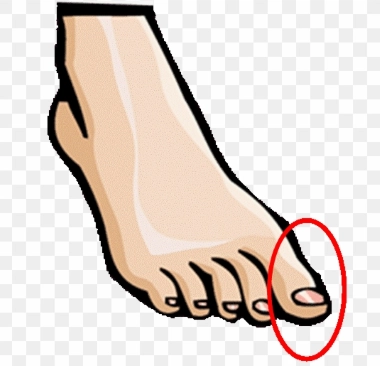
toe

/toʊ/

(noun) つま先, 足の指, つま先 (靴や靴下の);

(verb) つま先で触れる, つま先で蹴る

例:

She stubbed her toe on the table leg.
彼女はテーブルの脚につま先をぶつけた。

tongue

/tʌŋ/

(noun) 舌, 言語;

(verb) 舌でなめる

例:

She bit her tongue while eating.
彼女は食事中にを噛んだ。

total

/ˈtoʊ.t̬əl/

(noun) 合計, 総計;

(adjective) 全体の, 総計の, 完全な;

(verb) 合計する, 総計する

例:

The total cost of the trip was $500.
旅行の総額は500ドルでした。

totally

/ˈtoʊ.t̬əl.i/

(adverb) 完全に, 全く, もちろん

例:

I'm totally exhausted after that long flight.
あの長いフライトの後、私は完全に疲れ果てた。

touch

/tʌtʃ/

(verb) 触る, 触れる, 感動させる;

(noun) 触れること, 手触り, 少々

例:

Don't touch the wet paint.
濡れたペンキに触らないでください。

tour

/tʊr/

(noun) ツアー, 旅行, 巡業;

(verb) 巡る, 見学する, ツアーする

例:
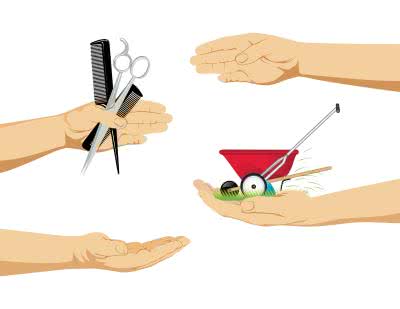
They went on a grand tour of Europe.
彼らはヨーロッパの大旅行に出かけた。

trade

/treɪd/

(noun) 貿易, 取引, 職業;

(verb) 貿易する, 取引する, 交換する

例:

International trade has increased significantly.
国際貿易は大幅に増加しました。

translate

/trænsˈleɪt/

(verb) 翻訳する, 変換する, 移す

例:

Can you translate this document from English to Spanish?
この文書を英語からスペイン語に翻訳できますか?

translation

/trænsˈleɪ.ʃən/

(noun) 翻訳, 訳文

例:

The translation of the document took several hours.
その文書の翻訳には数時間かかった。

transport

/ˈtræn.spɔːrt/

(verb) 輸送する, 運ぶ, 心を奪う;

(noun) 輸送, 交通機関, 歓喜

例:
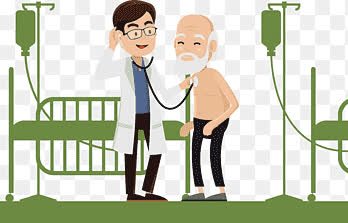
The company uses trucks to transport goods across the country.
その会社はトラックを使って全国に商品を輸送している。

treat

/triːt/

(verb) 扱う, 接する, 処理する;

(noun) ご褒美, 楽しみ, おごり

例:

She treats everyone with respect.
彼女は皆を尊敬して接する

treatment

/ˈtriːt.mənt/

(noun) 扱い, 対応, 治療

例:

She received excellent treatment from the hospital staff.
彼女は病院のスタッフから素晴らしい対応を受けた。

trend

/trend/

(noun) 傾向, 流行, トレンド;

(verb) 傾向がある, 向かう

例:

The latest trend in fashion is minimalist design.
ファッションの最新のトレンドはミニマリストデザインです。

trick

/trɪk/

(noun) いたずら, 策略, 技;

(verb) だます, 欺く

例:

He played a clever trick on his friends.
彼は友達に巧妙ないたずらをした。

truth

/truːθ/

(noun) 真実, 本当のこと, 真理

例:

He always speaks the truth.
彼はいつも真実を話す。

tube

/tuːb/

(noun) チューブ, 管, ロンドン地下鉄;

(verb) チューブに入れる, 管を通す

例:

Water flows through the tube.
水はチューブの中を流れる。

type

/taɪp/

(noun) 種類, タイプ, 活字;

(verb) タイプする, 入力する

例:

What type of music do you like?
どんな種類の音楽が好きですか?

typically

/ˈtɪp.ɪ.kəl.i/

(adverb) 通常, 一般的に

例:

We typically have dinner around 7 PM.
私たちは通常午後7時頃に夕食をとります。

tyre

/taɪr/

(noun) タイヤ

例:

My car needs a new tyre.
私の車は新しいタイヤが必要です。
Lingolandでこの語彙セットを学習