Avatar of Vocabulary Set B1 - 文字 C

Oxford 3000 - B1 内 B1 - 文字 C 語彙セット:完全かつ詳細なリスト

「Oxford 3000 - B1」内の「B1 - 文字 C」語彙セットは国際標準教材から厳選され、短期間で語彙をマスターできます。定義、例文、標準発音を網羅…

Lingolandでこの語彙セットを学習

今すぐ学習

calm

/kɑːm/

(adjective) 落ち着いた, 穏やかな, 静かな;

(verb) 落ち着かせる, 静める;

(noun) 静けさ, 穏やかさ

例:

She remained calm despite the chaos around her.
彼女は周りの混乱にもかかわらず落ち着いていた。

campaign

/kæmˈpeɪn/

(noun) 作戦, 軍事行動, キャンペーン;

(verb) 運動する, キャンペーンを行う

例:

The general launched a new campaign against the enemy.
将軍は敵に対して新たな作戦を開始した。

campus

/ˈkæm.pəs/

(noun) キャンパス, 校地

例:

The new library is located on the main campus.
新しい図書館はメインキャンパスにあります。

candidate

/ˈkæn.dɪ.dət/

(noun) 候補者, 志願者, 受験者

例:

She is a strong candidate for the job.
彼女はその仕事の有力な候補者です。

cap

/kæp/

(noun) 帽子, キャップ, 蓋;

(verb) 蓋をする, キャップをする, 上限を設ける

例:

He wore a baseball cap to the game.
彼は試合に野球をかぶっていた。

captain

/ˈkæp.tən/

(noun) 船長, 機長, キャプテン;

(verb) キャプテンを務める, 主将を務める

例:

The captain steered the ship through the storm.
船長は嵐の中、船を操縦した。

careless

/ˈker.ləs/

(adjective) 不注意な, 軽率な, ずさんな

例:

It was careless of him to leave the door unlocked.
ドアの鍵を開けっ放しにするなんて、彼は不注意だった。

category

/ˈkæt̬.ə.ɡri/

(noun) カテゴリ, 分類

例:

The books are organized into different categories.
本は異なるカテゴリに分類されています。

ceiling

/ˈsiː.lɪŋ/

(noun) 天井, 上限, 限界

例:

The room has a high ceiling.
その部屋は高い天井がある。

celebration

/ˌsel.əˈbreɪ.ʃən/

(noun) 祝賀, お祝い, 祭典

例:

The town held a grand celebration for its anniversary.
町は記念日に盛大な祝賀会を開催した。

central

/ˈsen.trəl/

(adjective) 中央の, 中心の, 主要な

例:

The park is in the central part of the city.
公園は市の中心部にあります。

centre

/ˈsen.t̬ɚ/

(noun) 中央, 中心, センター;

(verb) 中央に置く, 中心に配置する

例:

The table is in the centre of the room.
テーブルは部屋の中央にあります。

ceremony

/ˈser.ə.moʊ.ni/

(noun) 式典, 儀式, 形式

例:

The wedding ceremony was beautiful.
結婚は美しかった。

chain

/tʃeɪn/

(noun) 鎖, チェーン, 連鎖店;

(verb) 鎖でつなぐ, 縛る

例:

The dog was tied to a post with a heavy chain.
犬は重い鎖で柱につながれていた。

challenge

/ˈtʃæl.ɪndʒ/

(noun) 挑戦, 果たし状, 課題;

(verb) 挑戦する, 異議を唱える, 疑問を呈する

例:

He accepted the challenge to a duel.
彼は決闘の挑戦を受け入れた。

champion

/ˈtʃæm.pi.ən/

(noun) チャンピオン, 優勝者, 擁護者;

(verb) 擁護する, 支持する

例:

She is the reigning world champion in tennis.
彼女はテニスの現世界チャンピオンです。

channel

/ˈtʃæn.əl/

(noun) チャンネル, 水路, 運河;

(verb) 向ける, 導く, 表現する

例:
What channel is the news on?
ニュースはどのチャンネルですか?

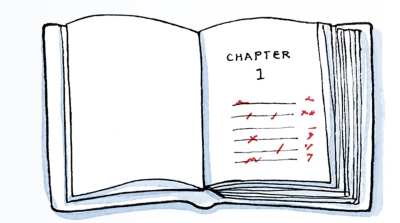
chapter

/ˈtʃæp.tɚ/

(noun) 章, 支部, 分会

例:

Read the first chapter of the novel.
小説の最初のを読んでください。

charge

/tʃɑːrdʒ/

(verb) 請求する, 料金を取る, 起訴する;

(noun) 料金, 費用, 罪

例:

The restaurant charged us for water we didn't order.
そのレストランは注文していない水まで請求した

cheap

/tʃiːp/

(adjective) 安い, 安価な, 安物;

(adverb) 安く, 安価に

例:

The hotel offers cheap rooms during the off-season.
そのホテルはオフシーズンに安い部屋を提供しています。

cheat

/tʃiːt/

(verb) カンニングする, 不正行為をする, 浮気する;

(noun) 詐欺師, 不正行為者

例:

He was caught trying to cheat on the exam.
彼は試験でカンニングしようとして捕まった。

cheerful

/ˈtʃɪr.fəl/

(adjective) 陽気な, 快活な, 明るい

例:

She always has a cheerful disposition, even on Mondays.
彼女は月曜日でもいつも陽気な性格です。

chemical

/ˈkem.ɪ.kəl/

(noun) 化学物質, 化学薬品;

(adjective) 化学の, 化学的な

例:

The factory produces various industrial chemicals.
その工場は様々な工業用化学物質を生産している。

chest

/tʃest/

(noun) 胸, 箱, 櫃

例:

He felt a sharp pain in his chest.
彼はに鋭い痛みを感じた。

childhood

/ˈtʃaɪld.hʊd/

(noun) 子供時代, 幼少期

例:

She had a happy childhood.
彼女は幸せな子供時代を過ごした。

claim

/kleɪm/

(verb) 主張する, 断言する, 請求する;

(noun) 主張, 要求, 請求

例:
He claims to be a direct descendant of the king.
彼は王の直系の子孫であると主張している

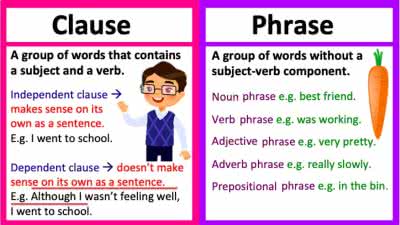
clause

/klɑːz/

(noun) 節, 条項, 規定

例:

The sentence 'I went home because I was tired' contains two clauses.
「疲れていたので家に帰った」という文には2つのが含まれています。

clear

/klɪr/

(adjective) 明確な, はっきりした, 透明な;

(verb) 片付ける, 取り除く, 晴れる;

(adverb) 完全に, すっかり

例:

The instructions were very clear.
指示は非常に明確でした。

click

/klɪk/

(noun) カチッという音, クリック音, クリック;

(verb) カチッと鳴る, クリックする, 理解できる

例:

I heard a click as the door locked.
ドアがロックされるときにカチッという音が聞こえた。

client

/ˈklaɪ.ənt/

(noun) 依頼人, 顧客, クライアント

例:

The lawyer met with his client to discuss the case.
弁護士は依頼人と会って事件について話し合った。

climb

/klaɪm/

(verb) 登る, 上がる, 苦労して登る;

(noun) 登り, 上昇

例:

We watched the children climb the tree.
私たちは子供たちが木を登るのを見た。

close

/kloʊz/

(verb) 閉める, 閉じる, 終える;

(adjective) 近い, 親しい, 忠実な;

(adverb) 近く, 間近に

例:

Please close the door when you leave.
お帰りの際はドアを閉めてください。

cloth

/klɑːθ/

(noun) 布, 織物

例:

She used a piece of cloth to wipe the table.
彼女はテーブルを拭くためにを使った。

clue

/kluː/

(noun) 手がかり, ヒント, 見当;

(verb) 教える, つなぎ合わせる

例:

The police found a crucial clue at the crime scene.
警察は犯行現場で決定的な手がかりを見つけた。

coach

/koʊtʃ/

(noun) コーチ, 指導者, 長距離バス;

(verb) 指導する, コーチする

例:

The football coach motivated his team.
サッカーのコーチはチームを鼓舞した。

coal

/koʊl/

(noun) 石炭, 炭, 燃えさし

例:

The train was powered by coal.
列車は石炭で動いていた。

coin

/kɔɪn/

(noun) コイン, 硬貨;

(verb) 作り出す, 考案する, 鋳造する

例:
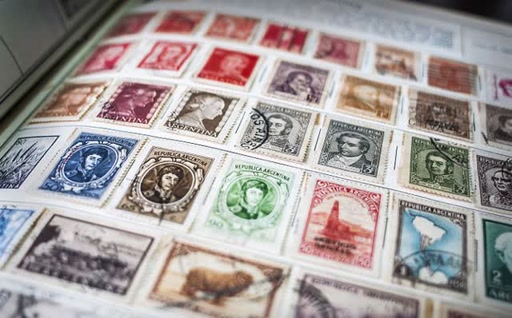
He flipped a coin to decide.
彼は決めるためにコインを投げた。

collection

/kəˈlek.ʃən/

(noun) コレクション, 収集品, 収集

例:

She has an impressive collection of antique dolls.
彼女はアンティーク人形の素晴らしいコレクションを持っています。

coloured

/ˈkʌl.ɚd/

(adjective) 色付きの, 着色された, 有色人種

例:

She prefers coloured pencils for her drawings.
彼女は絵を描くのに色付き鉛筆を好む。

combine

/kəmˈbaɪn/

(verb) 結合する, 組み合わせる, 合体させる;

(noun) コンバイン, 収穫機

例:

We need to combine our efforts to finish this project on time.
このプロジェクトを時間通りに終えるために、私たちは努力を合わせる必要があります。

comment

/ˈkɑː.ment/

(noun) コメント, 意見;

(verb) コメントする, 意見を述べる

例:

She made a positive comment about his performance.
彼女は彼のパフォーマンスについて肯定的なコメントをした。

commercial

/kəˈmɝː.ʃəl/

(adjective) 商業の, 営利の, 営利目的の;

(noun) コマーシャル, CM

例:

The city is a major commercial center.
その都市は主要な商業の中心地です。

commit

/kəˈmɪt/

(verb) 犯す, 行う, コミットする

例:

He was arrested for attempting to commit fraud.
彼は詐欺を犯そうとしたとして逮捕された。

communication

/kəˌmjuː.nəˈkeɪ.ʃən/

(noun) コミュニケーション, 意思疎通, 連絡

例:

Effective communication is key to a successful team.
効果的なコミュニケーションは、成功するチームの鍵です。

comparison

/kəmˈper.ɪ.sən/

(noun) 比較, 同等性

例:

A comparison of the two reports showed significant differences.
2つのレポートの比較は、大きな違いを示した。

competitor

/kəmˈpet̬.ə.t̬ɚ/

(noun) 競争相手, 競合他社

例:

Our main competitor just released a similar product.
主要な競合他社が同様の製品を発売したばかりです。

competitive

/kəmˈpet̬.ə.t̬ɪv/

(adjective) 競争の, 競争力のある, 競争心の強い

例:

The company operates in a highly competitive market.
その会社は非常に競争の激しい市場で事業を展開している。

complaint

/kəmˈpleɪnt/

(noun) 苦情, 不平, 不満の種

例:

We received a complaint about the noise.
騒音について苦情を受けました。

complex

/kɑːmˈpleks/

(adjective) 複雑な, 入り組んだ, 理解しにくい;

(noun) 複合施設, 団地, コンプレックス

例:

The human brain is a highly complex organ.
人間の脳は非常に複雑な器官です。

concentrate

/ˈkɑːn.sən.treɪt/

(verb) 集中する, 専念する, 濃縮する;

(noun) 濃縮液, 濃縮物

例:

I need to concentrate on my studies.
私は勉強に集中する必要がある。

conclude

/kənˈkluːd/

(verb) 終える, 締めくくる, 結論付ける

例:

The meeting concluded with a vote.
会議は投票で終了した

conclusion

/kənˈkluː.ʒən/

(noun) 結論, 終結, 締めくくり

例:

The conclusion of the meeting was marked by a standing ovation.
会議の終結はスタンディングオベーションで締めくくられた。

confident

/ˈkɑːn.fə.dənt/

(adjective) 自信がある, 確信している

例:

She felt confident about her presentation.
彼女はプレゼンテーションに自信を持っていた。

confirm

/kənˈfɝːm/

(verb) 確認する, 裏付ける, 強化する

例:

Please confirm your attendance by Friday.
金曜日までに参加を確認してください。

confuse

/kənˈfjuːz/

(verb) 混乱させる, 困惑させる, 混同する

例:

The instructions confused him.
指示が彼を混乱させた

confused

/kənˈfjuːzd/

(adjective) 混乱した, 困惑した, ごちゃごちゃした

例:

She felt completely confused after waking up from the long nap.
長い昼寝から目覚めた後、彼女は完全に混乱していた。

connection

/kəˈnek.ʃən/

(noun) 関連, つながり, 接続

例:

There's a strong connection between diet and health.
食事と健康には強い関連性があります。

consequence

/ˈkɑːn.sə.kwəns/

(noun) 結果, 影響, 重要性

例:

The drought had serious consequences for farmers.
干ばつは農家にとって深刻な結果をもたらした。

consist

/kənˈsɪst/

(verb) 〜から成る, 〜で構成される, 〜にある

例:

The team consists of five members.
チームは5人のメンバーで構成されています

consume

/kənˈsuːm/

(verb) 摂取する, 食べる, 飲む

例:

Humans consume a variety of foods.
人間は様々な食品を摂取します

consumer

/kənˈsuː.mɚ/

(noun) 消費者, 消費者 (生物学)

例:

The new policy aims to protect consumers from unfair practices.
新しい政策は、消費者を不公正な慣行から保護することを目的としている。

contact

/ˈkɑːn.tækt/

(noun) 接触, 連絡, 連絡先;

(verb) 連絡する, 接触する, 触れる

例:

Please keep in contact with us.
私たちと連絡を取り合ってください。

container

/kənˈteɪ.nɚ/

(noun) 容器, 入れ物, コンテナ

例:

Please put the leftovers in an airtight container.
残り物を密閉できる容器に入れてください。

content

/kənˈtent/

(noun) 内容, 目次, 含有量;

(adjective) 満足している, 満ち足りた;

(verb) 満足させる, 満たす

例:

The table of contents lists all the chapters.
目次にはすべての章が記載されています。

continuous

/kənˈtɪn.ju.əs/

(adjective) 連続した, 絶え間ない

例:

The rain was continuous for three days.
雨は3日間降り続いた

contrast

/ˈkɑːn.træst/

(noun) 対比, コントラスト;

(verb) 対比する, 比較する

例:

The white walls provided a stark contrast to the dark furniture.
白い壁は暗い家具と鮮やかな対比をなしていた。

convenient

/kənˈviː.ni.ənt/

(adjective) 便利な, 都合の良い, 使いやすい

例:

It's very convenient to have a supermarket nearby.
近くにスーパーがあるのはとても便利です。

convince

/kənˈvɪns/

(verb) 説得する, 納得させる

例:

I hope this will convince you to change your mind.
これがあなたの考えを変えるように説得することを願っています。

cool

/kuːl/

(adjective) 涼しい, 冷たい, かっこいい;

(verb) 冷やす, 冷ます;

(noun) 涼しさ, 冷たさ

例:

The evening air was pleasantly cool.
夕方の空気は心地よく涼しかった

costume

/ˈkɑː.stuːm/

(noun) 衣装, コスチューム, 民族衣装;

(verb) 衣装を着せる, コスチュームを着せる

例:

She wore a beautiful fairy costume for the party.
彼女はパーティーのために美しい妖精の衣装を着た。

cottage

/ˈkɑː.t̬ɪdʒ/

(noun) コテージ, 小さな家

例:

They rented a charming cottage by the lake for their vacation.
彼らは休暇のために湖畔の魅力的なコテージを借りました。

cotton

/ˈkɑː.t̬ən/

(noun) 綿, コットン;

(verb) 気が合う, 賛同する

例:

This shirt is made of 100% cotton.
このシャツは綿100%です。

count

/kaʊnt/

(verb) 数える, 含める, 考慮に入れる;

(noun) 数, 計算, 罪状

例:

Can you count how many apples are in the basket?
かごの中にリンゴがいくつあるか数えてもらえますか?

countryside

/ˈkʌn.tri.saɪd/

(noun) 田舎, 田園地帯

例:

We spent our vacation exploring the beautiful countryside.
私たちは美しい田園地帯を探索して休暇を過ごしました。

court

/kɔːrt/

(noun) 裁判所, 法廷, コート;

(verb) 口説く, 取り込む

例:
The suspect was brought before the court.
容疑者は法廷に連れてこられた。

cover

/ˈkʌv.ɚ/

(verb) 覆う, 被せる, カバーする;

(noun) カバー, 表紙, カバー曲

例:

She used a blanket to cover the sleeping child.
彼女は寝ている子供を覆うために毛布を使った。

covered

/ -ɚd/

(adjective) 覆われた, 被覆された, カバーされた;

(past participle) 覆った, カバーした

例:

The ground was covered in snow.
地面は雪で覆われていた

cream

/kriːm/

(noun) クリーム, 軟膏, 選りすぐり;

(verb) クリーム状にする, 泡立てる;

(adjective) クリーム色の

例:

She poured cream into her coffee.
彼女はコーヒーにクリームを入れた。

criminal

/ˈkrɪm.ə.nəl/

(noun) 犯罪者, 犯人;

(adjective) 犯罪の, 刑事の

例:

The police arrested the criminal after a long chase.
警察は長い追跡の末、犯人を逮捕した。

cruel

/ˈkruː.əl/

(adjective) 残酷な, 冷酷な, つらい

例:

It was cruel of him to tease the small child.
彼が幼い子供をからかうのは残酷だった。

cultural

/ˈkʌl.tʃɚ.əl/

(adjective) 文化的, 文化的な, 芸術的な

例:

The museum showcases the rich cultural heritage of the region.
その博物館は地域の豊かな文化的遺産を展示している。

currency

/ˈkɝː.ən.si/

(noun) 通貨, 普及, 通用

例:

The local currency is the Euro.
現地の通貨はユーロです。

current

/ˈkɝː.ənt/

(adjective) 現在の, 今の;

(noun) 流れ, 潮流, 電流

例:

What's your current address?
あなたの現在の住所は何ですか?

currently

/ˈkɝː.ənt.li/

(adverb) 現在, 目下

例:

The store is currently closed for renovations.
その店は現在改装のため閉鎖されています。

curtain

/ˈkɝː.tən/

(noun) カーテン, 幕, 障壁;

(verb) カーテンを取り付ける, 覆う

例:

She drew the curtains to block out the morning sun.
彼女は朝の太陽を遮るためにカーテンを引いた。

custom

/ˈkʌs.təm/

(noun) 習慣, 慣習, しきたり;

(adjective) オーダーメイドの, 特注の

例:

It is a local custom to greet visitors with a cup of tea.
訪問客をお茶で迎えるのは地元の習慣です。

cut

/kʌt/

(verb) 切る, 切り傷をつける, 切開する;

(noun) 切り傷, カット, 散髪;

(adjective) 切られた, 切り取られた

例:

She accidentally cut her finger while chopping vegetables.
彼女は野菜を切っているときに誤って指を切ってしまった。
Lingolandでこの語彙セットを学習