
最も一般的な英単語500選 内 Top 251 - 275 Nouns 語彙セット:完全かつ詳細なリスト
「最も一般的な英単語500選」内の「Top 251 - 275 Nouns」語彙セットは国際標準教材から厳選され、短期間で語彙をマスターできます。定義、例文、標準発音を網羅…
Lingolandでこの語彙セットを学習
今すぐ学習
/ˈhjuː.mən/
(adjective) 人間の, 人間に特有の, 人間らしい;
(noun) 人間, 人類
例:
The ability to reason is a unique human trait.
推論する能力は、人間に特有の特性です。
/ˈθɪr.i/
(noun) 理論, 学説, 原理
例:
The scientist proposed a new theory about the origin of the universe.
科学者は宇宙の起源に関する新しい理論を提唱した。
/weɪt/
(noun) 重さ, 体重, 重り;
(verb) 重しを付ける, 重くする
例:
What is the weight of this package?
この荷物の重さはどれくらいですか?
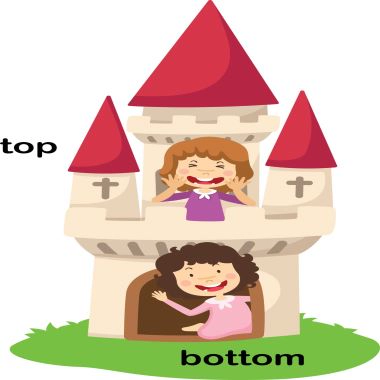
/ˈbɑː.t̬əm/
(noun) 底, 下部, お尻;
(adjective) 一番下の, 底の;
(verb) 底を打つ, 最低限にする
例:
The book fell to the bottom of the stairs.
本は階段の下に落ちた。

/kənˈdɪʃ.ən/
(noun) 状態, コンディション, 条件;
(verb) 手入れする, 鍛える
例:
The car is in excellent condition.
その車は素晴らしい状態です。

/ˈmes.ɪdʒ/
(noun) メッセージ, 伝言, 主旨;
(verb) メッセージを送る, 連絡する
例:
I received a text message from my friend.
友達からテキストメッセージを受け取った。

/ˈtʃæl.ɪndʒ/
(noun) 挑戦, 果たし状, 課題;
(verb) 挑戦する, 異議を唱える, 疑問を呈する
例:
He accepted the challenge to a duel.
彼は決闘の挑戦を受け入れた。
/sɔːrs/
(noun) 源, 情報源;
(verb) 調達する, 入手する
例:
The river's source is in the mountains.
その川の源は山にある。


/stɔːr/
(noun) 店, 店舗, 貯蔵;
(verb) 保存する, 保管する
例:
I need to go to the grocery store to buy some milk.
牛乳を買いに食料品店に行かなければならない。

/ɡlæs/
(noun) ガラス, グラス, コップ;
(verb) 瓶詰めする, ガラスに入れる
例:
The window is made of glass.
窓はガラスでできています。
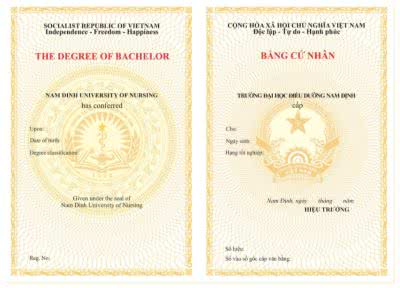
/dɪˈɡriː/
(noun) 程度, 度合い, 度
例:
To what degree do you agree with this statement?
この声明にどの程度同意しますか?

/ˈsaɪ.əns/
(noun) 科学, 分野
例:
The study of science is essential for understanding the world around us.
科学の研究は、私たちの周りの世界を理解するために不可欠です。

/vjuː/
(noun) 眺め, 景色, 見解;
(verb) 見る, 眺める, 見なす
例:
The hotel room had a stunning view of the ocean.
ホテルの部屋からは海の素晴らしい眺めが見えた。
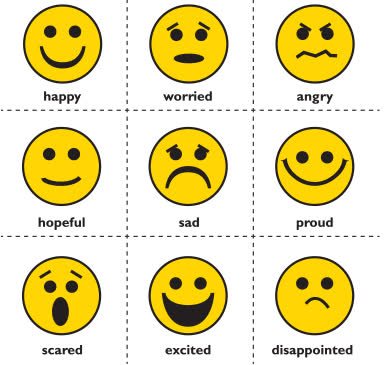
/ˈfiː.lɪŋ/
(noun) 感情, 気持ち, 感覚
例:
She had a strange feeling that something was wrong.
彼女は何かおかしいという奇妙な感覚を持っていた。

/bɪˈɡɪn.ɪŋ/
(noun) 始まり, 最初, 冒頭
例:
The beginning of the movie was slow, but it got better.
映画の始まりは遅かったが、良くなった。

/ˈmɪd.əl/
(noun) 真ん中, 中央, 途中;
(adverb) 真ん中に, 中央に;
(adjective) 真ん中の, 中央の
例:
He stood in the middle of the room.
彼は部屋の真ん中に立っていた。



/ˈsen.t̬ɚ/
(noun) 中央, 中心, センター;
(verb) 中央に置く, 中心に配置する
例:
The table is in the center of the room.
テーブルは部屋の中央にあります。

/ɪkˈsper.ə.mənt/
(noun) 実験, 試み;
(verb) 実験する, 試す
例:
The scientists conducted an experiment to test their new theory.
科学者たちは新しい理論を検証するために実験を行った。


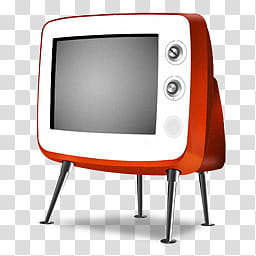
/ˈtel.ə.vɪʒ.ən/
(noun) テレビ, テレビジョン, テレビ受像機
例:
We watched the news on television.
テレビでニュースを見ました。