
最も一般的な英単語500選 内 Top 151 - 175 Nouns 語彙セット:完全かつ詳細なリスト
「最も一般的な英単語500選」内の「Top 151 - 175 Nouns」語彙セットは国際標準教材から厳選され、短期間で語彙をマスターできます。定義、例文、標準発音を網羅…
Lingolandでこの語彙セットを学習
今すぐ学習
/tʃæns/
(noun) 可能性, 見込み, 機会;
(verb) 偶然起こる, たまたま〜する, 危険を冒す
例:
There's a good chance of rain tomorrow.
明日は雨が降る可能性が高い。
/test/
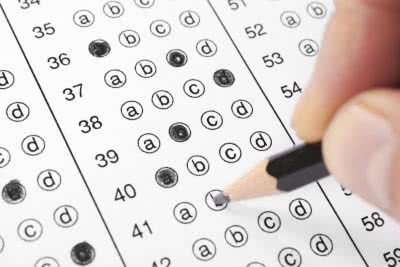
(noun) テスト, 試験;
(verb) テストする, 試す, 試練を与える
例:
The new software underwent rigorous tests before its release.
新しいソフトウェアはリリース前に厳格なテストを受けました。

/ˈmɑːr.kɪt/
(noun) 市場;
(verb) 市場に出す, 販売する
例:
I bought fresh vegetables at the local market.
地元の市場で新鮮な野菜を買いました。

/əˈfekt/
(noun) 効果, 影響, 印象;
(verb) もたらす, 実現する
例:
The new policy had a positive effect on the economy.
新しい政策は経済に良い影響を与えた。

/ˈpɪk.tʃɚ/
(noun) 絵, 写真, 画像;
(verb) 描く, 写真に撮る, 描写する
例:
She hung a beautiful picture on the wall.
彼女は壁に美しい絵を飾った。

/ˈproʊ.ɡræm/
(noun) プログラム, 計画, 番組;
(verb) プログラムする, 設定する, 予定する
例:
I wrote a simple program to calculate my expenses.
私は自分の費用を計算するために簡単なプログラムを書きました。

/ˈmɔːr.nɪŋ/
(noun) 朝;
(exclamation) おはよう
例:
I usually wake up early in the morning.
私はたいてい朝早く起きます。






/nuːz/
(noun) ニュース, 知らせ, ニュース番組
例:
I heard the news on the radio this morning.
今朝、ラジオでニュースを聞いた。





/ˌedʒ.əˈkeɪ.ʃən/
(noun) 教育, 学び, 教訓
例:
She received her education at a prestigious university.
彼女は名門大学で教育を受けた。

/bæk/
(noun) 背中, 裏, 後ろ;
(adverb) 後ろへ, 戻って, 再び;
(adjective) 後ろの, 裏の;
(verb) 後退する, 支持する, 後援する
例:
He lay on his back, looking up at the stars.
彼は背中を上にして横たわり、星空を見上げていた。

/klæs/
(noun) クラス, 学級, 授業;
(verb) 分類する, 格付けする;
(adjective) 上品な, 高級な
例:
The teacher greeted the class.
先生はクラスに挨拶した。

/ˌkɑːn.vɚˈseɪ.ʃən/
(noun) 会話, 対話
例:
We had a long conversation about our plans for the future.
私たちは将来の計画について長い会話をしました。

/kɔːrt/
(noun) 裁判所, 法廷, コート;
(verb) 口説く, 取り込む
例:
The suspect was brought before the court.
容疑者は法廷に連れてこられた。

/hæf/
(noun) 半分;
(determiner) 半分の;
(adverb) 半分, 部分的に
例:
She ate half of the apple.
彼女はリンゴの半分を食べた。

/pəˈzɪʃ.ən/
(noun) 位置, 場所, 姿勢;
(verb) 置く, 配置する, 位置づける
例:
The car is in a good position for parking.
車は駐車に良い位置にある。

/reɪt/
(noun) 率, 割合, 速度;
(verb) 評価する, 格付けする, 見なす
例:
The unemployment rate has decreased this quarter.
今四半期、失業率は減少しました。