
レベルC2 内 社会 語彙セット:完全かつ詳細なリスト
「レベルC2」内の「社会」語彙セットは国際標準教材から厳選され、短期間で語彙をマスターできます。定義、例文、標準発音を網羅…
Lingolandでこの語彙セットを学習
今すぐ学習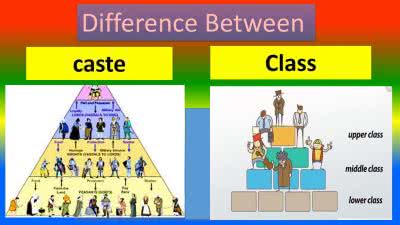
/kæst/
(noun) カースト, カースト制度
例:
The traditional caste system in India has deep historical roots.
インドの伝統的なカースト制度には深い歴史的ルーツがある。

/ˈæn.əm.i/
(noun) アノミー, 無規範状態
例:
The rapid social changes led to a sense of anomie in the community.
急速な社会変化は、コミュニティにアノミーの感覚をもたらした。

/ˈsɪv.ɪks/
(noun) 公民, 市民学
例:
She excelled in her civics class, always eager to learn about government.
彼女は公民の授業で優秀で、常に政府について学ぶことに熱心でした。

/ˈden.ə.zən/
(noun) 住人, 居住者, 帰化市民
例:
The polar bear is a true denizen of the Arctic.
ホッキョクグマは北極の真の住人である。

/ˌɡloʊbl ˈvɪlɪdʒ/
(noun) 地球村
例:
The internet has transformed the world into a global village.
インターネットは世界を地球村に変えた。
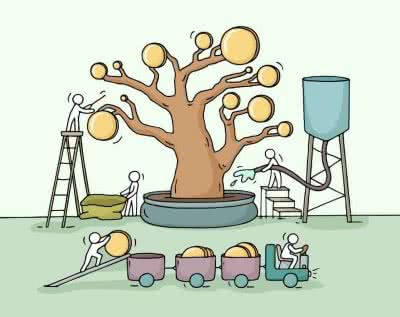
/ˈɡræs ruːts/
(noun) 草の根, 基礎;
(adjective) 草の根の, 基礎的な
例:
The movement gained support at the grass roots level.
その運動は草の根レベルで支持を得た。
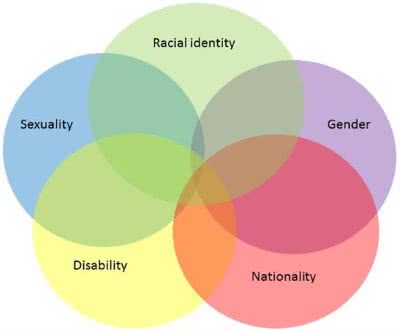
/ˌɪn.tər.sek.ʃənˈæl.ə.t̬i/
(noun) インターセクショナリティ
例:
Understanding intersectionality is crucial for addressing complex social inequalities.
インターセクショナリティを理解することは、複雑な社会的不平等を解決するために不可欠です。

/ˈʌð.ər.ɪŋ/
(noun) 他者化, 異質化
例:
The politician's speech was criticized for its clear examples of othering.
その政治家の演説は、明確な他者化の例として批判された。

/ˈpɑː.lə.t̬i/
(noun) 政体, 統治形態, 政治体
例:
The nation adopted a new polity after the revolution.
その国は革命後、新しい政体を採用した。

/ˈkɑː.mən.ɚ/
(noun) 平民, 庶民
例:
Despite his wealth, he was still considered a commoner by the aristocracy.
彼の富にもかかわらず、彼は貴族からは依然として平民と見なされていた。

/ɪnˈfɪr.i.ɚ/
(adjective) 劣った, 下位の, 劣等な;
(noun) 目下の者, 部下
例:
This product is inferior to the one we bought last time.
この製品は前回購入したものより劣っています。

/ˈfʌndˌreɪ.zɚ/
(noun) 資金調達者, ファンドレイザー, 資金調達イベント
例:
The charity hired a professional fundraiser to help with their annual campaign.
その慈善団体は、年次キャンペーンを支援するためにプロの資金調達者を雇った。

/swɑːˈreɪ/
(noun) 夜会, サロン
例:
They hosted a delightful soirée with classical music and fine wine.
彼らはクラシック音楽と上質なワインで楽しい夜会を催した。

/ˌpʌb.lɪk ˈspɪr.ɪt/
(noun) 公共心, 公益心
例:
Her dedication to volunteering showed her strong public spirit.
彼女のボランティア活動への献身は、彼女の強い公共心を示していた。

/ˈsoʊʃl ˈkæpɪtl/
(noun) ソーシャル・キャピタル, 社会関係資本
例:
Building strong community ties increases social capital.
強固な地域社会の絆を築くことは、ソーシャル・キャピタルを増加させる。

/ˌmɑːr.dʒɪ.nə.ləˈzeɪ.ʃən/
(noun) 周縁化, 疎外
例:
The marginalization of minority groups is a serious social issue.
少数派グループの周縁化は深刻な社会問題である。

/ˌsʌb.dʒəˈɡeɪ.ʃən/
(noun) 征服, 服従, 支配
例:
The empire's goal was the complete subjugation of neighboring lands.
帝国の目標は、隣接する土地の完全な征服でした。

/ˌmer.əˈtɑː.krə.si/
(noun) 実力主義, 能力主義, 実力主義社会
例:
The company operates as a true meritocracy, where hard work and talent are rewarded.
その会社は真の実力主義で運営されており、努力と才能が報われる。

/ˈmeɪ.tri.ɑːr.ki/
(noun) 母系社会, 女系社会
例:
Some ancient civilizations were believed to be matriarchies.
いくつかの古代文明は母系社会であったと考えられていた。

/ˈplʊr.əl.ɪ.zəm/
(noun) 多元主義, 複数性
例:
The country is known for its cultural pluralism, with many different ethnic groups living together peacefully.
その国は文化的な多元主義で知られており、多くの異なる民族グループが平和に共存している。

/ˈpeɪ.tri.ɑːr.ki/
(noun) 家父長制, 父系制
例:
The feminist movement seeks to dismantle the structures of patriarchy.
フェミニスト運動は家父長制の構造を解体しようとしている。
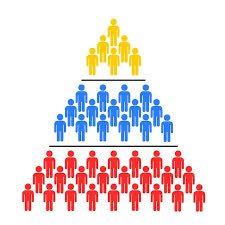
/ˌstræt̬.ə.fəˈkeɪ.ʃən/
(noun) 階層化, 層別
例:
Social stratification is a common feature of many societies.
社会の階層化は多くの社会に共通する特徴です。

/ˌsoʊ.si.oʊˌiː.kəˈnɑː.mɪk/
(adjective) 社会経済的
例:
The study examined the socioeconomic impact of the new policy.
その研究は新しい政策の社会経済的影響を調査した。