
レベル C1 内 C1 - 私たちの小さな銀河で! 語彙セット:完全かつ詳細なリスト
「レベル C1」内の「C1 - 私たちの小さな銀河で!」語彙セットは国際標準教材から厳選され、短期間で語彙をマスターできます。定義、例文、標準発音を網羅…
Lingolandでこの語彙セットを学習
今すぐ学習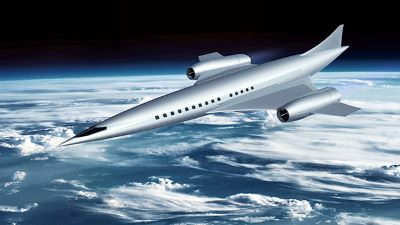
/ˈer.oʊ.speɪs/
(noun) 航空宇宙;
(adjective) 航空宇宙の
例:
The company specializes in aerospace engineering.
その会社は航空宇宙工学を専門としている。
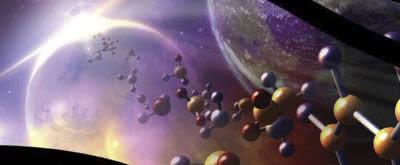
/ˌæs.troʊ.baɪˈɑː.lə.dʒi/
(noun) 宇宙生物学
例:
Astrobiology combines aspects of biology, chemistry, and astronomy.
宇宙生物学は生物学、化学、天文学の側面を組み合わせる。
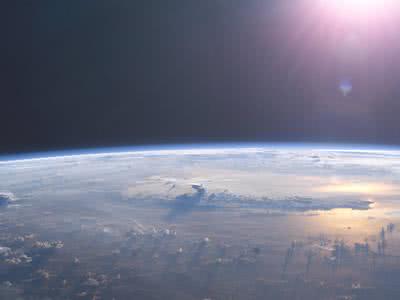
/ˌæt.məsˈfer.ɪk/
(adjective) 大気の, 大気圏の, 雰囲気のある
例:
The planet has a thick atmospheric layer.
その惑星には厚い大気層がある。
/ˈkɑːz.mɪk/
(adjective) 宇宙の, 宇宙的な, 計り知れない
例:
The telescope captured stunning images of cosmic dust clouds.
望遠鏡は宇宙の塵の雲の素晴らしい画像を捉えました。
/ˈhæf.muːn/
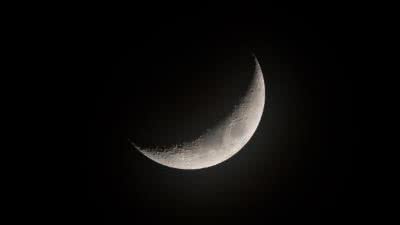
(noun) 半月, 半月の形
例:
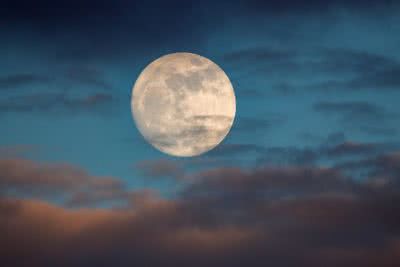
The sky was clear, and a beautiful half-moon shone brightly.
空は澄んでいて、美しい半月が明るく輝いていた。
/nuː muːn/
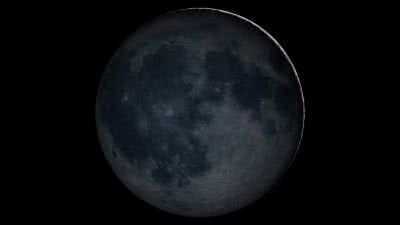
(noun) 新月
例:
The sky was dark, signaling the arrival of the new moon.
空は暗く、新月の到来を告げていた。

/ɡoʊ daʊn/
(phrasal verb) 降りる, 下がる, 沈む
例:
The sun began to go down behind the mountains.
太陽が山の向こうに沈み始めた。
/ˈbɪɡ ˈbæŋ/
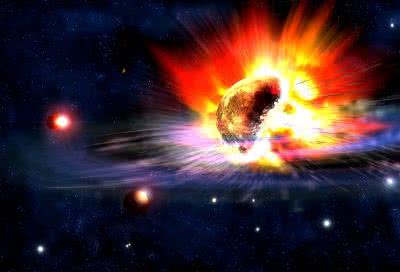
(noun) ビッグバン
例:
The Big Bang theory explains the origin of the universe.
ビッグバン理論は宇宙の起源を説明する。
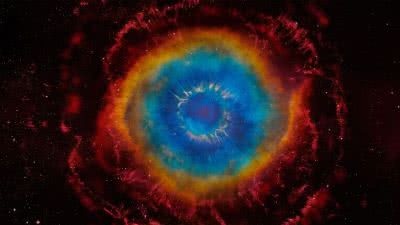
/ˈkɑːz.moʊs/
(noun) 宇宙, 秩序ある世界, コスモス
例:
The ancient Greeks believed in a harmonious cosmos.
古代ギリシャ人は調和のとれた宇宙を信じていた。
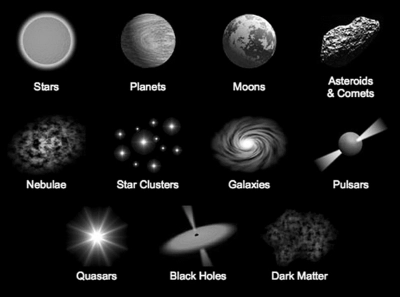
/sɪˌles.tʃəl ˈbɑː.di/
(noun) 天体, 星
例:
The night sky was filled with countless celestial bodies.
夜空には数えきれないほどの天体が満ちていた。
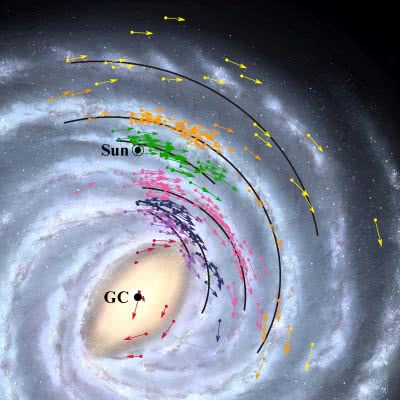
/ðə ˈmɪlki weɪ/
(noun) 天の川, 銀河系
例:
From a dark sky, you can see the Milky Way stretching across.
暗い空からは、天の川が広がっているのが見えます。

/ˌkɑːn.stəˈleɪ.ʃən/
(noun) 星座, 集まり, 集合体
例:
Orion is a prominent constellation visible in the winter sky.
オリオン座は冬の空に見える有名な星座です。
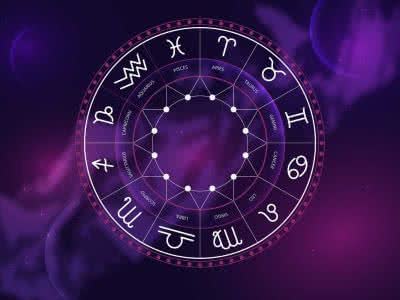
/ˈzoʊ.di.æk/
(noun) 黄道帯, 十二宮
例:
The astrologer consulted the zodiac to predict her future.
占星術師は彼女の未来を予測するために黄道帯を調べた。
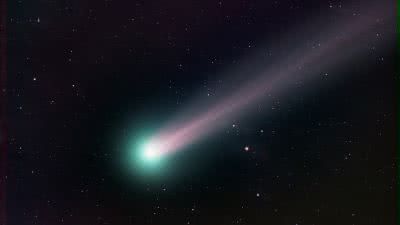

/dwɔːrf/
(noun) 小人, ドワーフ, 矮星;
(verb) 矮小化する, 小さく見せる
例:
The fairy tale featured a friendly dwarf.
そのおとぎ話には親切な小人が登場した。
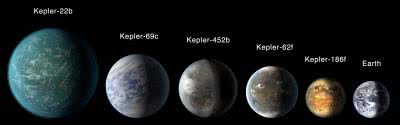
/ˈek.soʊˌplæn.ɪt/
(noun) 系外惑星
例:
Scientists have discovered thousands of exoplanets.
科学者たちは何千もの系外惑星を発見しました。
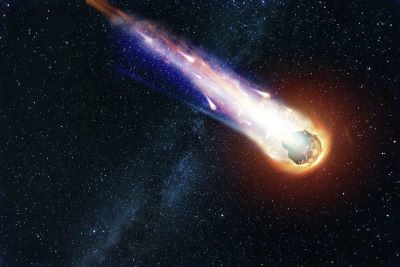
/ˈmiː.t̬i.ɔːr/
(noun) 流星, 隕石
例:
We saw a bright meteor streak across the night sky.
夜空を横切る明るい流星を見た。
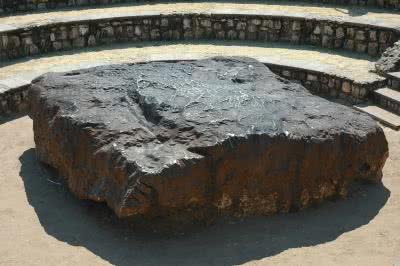
/-t̬i.ə.raɪt/
(noun) 隕石
例:
Scientists found a large meteorite in the desert.
科学者たちは砂漠で大きな隕石を発見した。
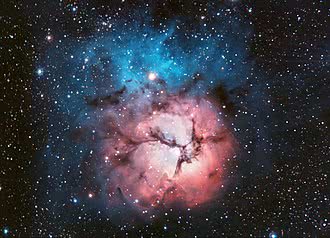
/ˈneb.jə.lə/
(noun) 星雲
例:
The Orion Nebula is a well-known star-forming region.
オリオン星雲はよく知られた星形成領域です。
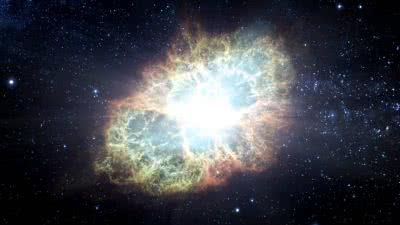
/ˌsuː.pɚˈnoʊ.və/
(noun) 超新星
例:
The distant galaxy was home to a spectacular supernova.
遠くの銀河は壮大な超新星の故郷だった。
/ˈnæs.ə/
(abbreviation) NASA, アメリカ航空宇宙局
例:
NASA successfully launched the new Mars rover.
NASAは新しい火星探査機を打ち上げることに成功した。

/ˈmɪʃ.ən/
(noun) ミッション;
(verb) ミッション
例:
The diplomatic mission aimed to restore peace in the region.
外交使節団は地域の平和を回復することを目指した。
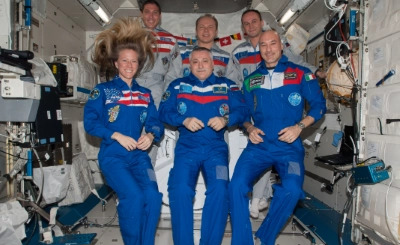
/ˈkɑːz.mə.nɑːt/
(noun) 宇宙飛行士, コスモノート
例:
The cosmonaut orbited the Earth for several days.
その宇宙飛行士は数日間地球を周回した。

/ˈlɪft ɔf/
(noun) 離陸, 打ち上げ;
(phrasal verb) 離陸する, 打ち上げる
例:
The space shuttle's lift-off was delayed due to bad weather.
悪天候のため、スペースシャトルの打ち上げが遅れた。
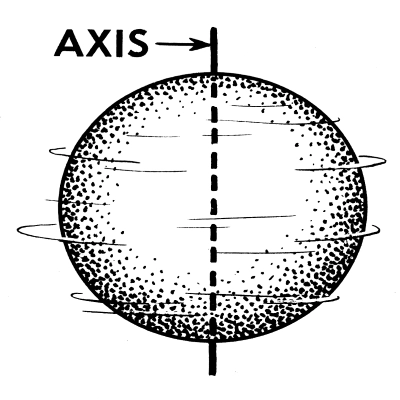
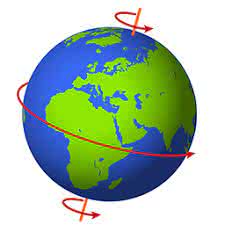
/roʊˈteɪ.ʃən/
(noun) 回転, 自転, ローテーション
例:
The Earth's rotation causes day and night.
地球の自転が昼と夜を引き起こす。
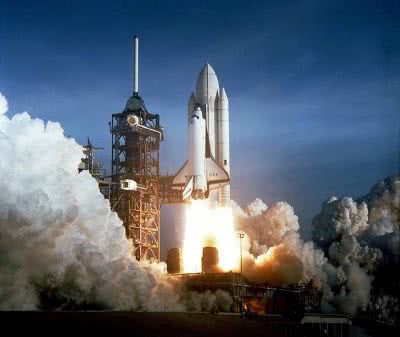
/ˈspeɪs ˌʃʌt.l̩/
(noun) スペースシャトル
例:
The space shuttle launched successfully this morning.
スペースシャトルは今朝、無事に打ち上げられた。
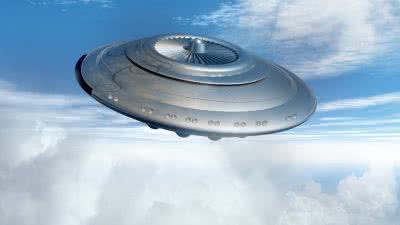
/ˌjuː.efˈoʊ/
(noun) UFO, 未確認飛行物体
例:
Many people claim to have seen a UFO.
多くの人がUFOを見たことがあると主張している。
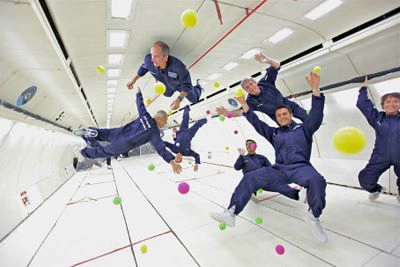
/ˈweɪt.ləs/
(adjective) 無重力の, 重さのない
例:
Astronauts experience a weightless sensation in space.
宇宙飛行士は宇宙で無重力の感覚を経験する。