Avatar of Vocabulary Set C1 - 気分が優れない

レベル C1 内 C1 - 気分が優れない 語彙セット:完全かつ詳細なリスト

「レベル C1」内の「C1 - 気分が優れない」語彙セットは国際標準教材から厳選され、短期間で語彙をマスターできます。定義、例文、標準発音を網羅…

Lingolandでこの語彙セットを学習

今すぐ学習

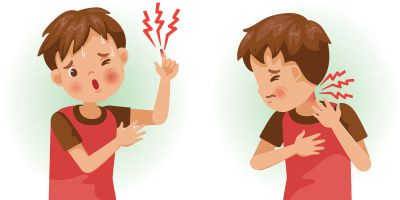
ailment

/ˈeɪl.mənt/

(noun) 病気, 疾患, 不調

例:

She suffered from a minor stomach ailment.
彼女は軽度の胃の病気に苦しんでいた。

agony

/ˈæɡ.ə.ni/

(noun) 苦痛, 激痛

例:

He was in agony after breaking his leg.
彼は足を骨折した後、激痛に苦しんでいた。

syndrome

/ˈsɪn.droʊm/

(noun) 症候群, 特徴

例:

Down syndrome is a genetic disorder.
ダウン症候群は遺伝性疾患です。

acute

/əˈkjuːt/

(adjective) 鋭い, 洞察力のある, 深刻な

例:

She has an acute sense of smell.
彼女は鋭い嗅覚を持っている。

chronic

/ˈkrɑː.nɪk/

(adjective) 慢性の, 長期的な, 常習的な

例:

She suffers from chronic back pain.
彼女は慢性的な腰痛に苦しんでいる。

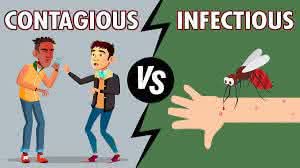
contagious

/kənˈteɪ.dʒəs/

(adjective) 伝染性の, 感染性の

例:

The flu is highly contagious.
インフルエンザは非常に伝染性が高い。

breathless

/ˈbreθ.ləs/

(adjective) 息を切らした, 息もできない, 息をのむような

例:

She arrived at the top of the stairs, completely breathless.
彼女は階段の頂上に着いたとき、完全に息を切らしていた

dizzy

/ˈdɪz.i/

(adjective) めまいがする, ふらふらする, めまいを起こさせる

例:

I felt dizzy after spinning around so fast.
速く回転した後、めまいがした

fatal

/ˈfeɪ.t̬əl/

(adjective) 致命的な, 命取りの, 破滅的な

例:

The accident resulted in a fatal injury.
その事故は致命的な負傷をもたらした。

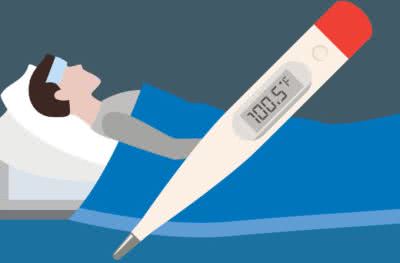
feverish

/ˈfiː.vər.ɪʃ/

(adjective) 熱っぽい, 熱がある, 熱狂的な

例:

She felt hot and feverish all night.
彼女は一晩中熱っぽく、熱があるようだった。

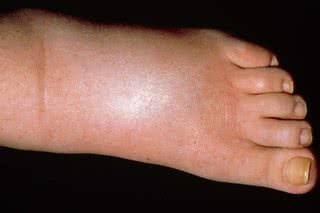
swollen

/ˈswoʊ.lən/

(adjective) 腫れた, 膨らんだ, 増大した;

(past participle) 腫れた, 膨らんだ

例:
Her ankle was badly swollen after the fall.
転倒後、彼女の足首はひどく腫れていた。

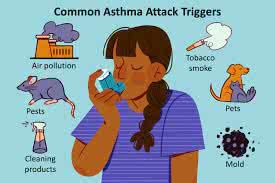
asthma

/ˈæz.mə/

(noun) 喘息

例:

She has suffered from asthma since childhood.
彼女は子供の頃から喘息を患っている。

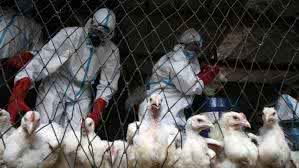
bird flu

/bɜːrd fluː/

(noun) 鳥インフルエンザ

例:

The government issued a warning about the spread of bird flu.
政府は鳥インフルエンザの拡大について警告を発した。

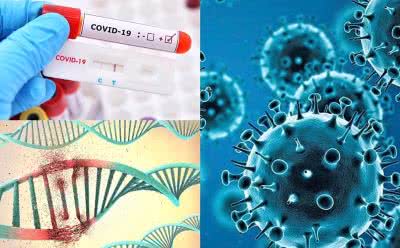
Covid-19

/ˌkoʊ.vɪd ˈnaɪn.tiːn/

(noun) COVID-19, 新型コロナウイルス感染症

例:

The COVID-19 pandemic caused widespread disruption globally.
COVID-19のパンデミックは世界中で広範な混乱を引き起こした。

diarrhea

/ˌdaɪ.əˈriː.ə/

(noun) 下痢

例:

He suffered from severe diarrhea after eating contaminated food.
彼は汚染された食べ物を食べた後、重度の下痢に苦しんだ。

hay fever

/ˈheɪ fiːvər/

(noun) 花粉症

例:

During spring, my hay fever acts up, making me sneeze constantly.
春の間、私の花粉症が悪化し、絶えずくしゃみが出ます。

HIV

/ˌeɪtʃ.aɪˈviː/

(abbreviation) HIV, ヒト免疫不全ウイルス

例:

Early detection of HIV is crucial for effective treatment.
HIVの早期発見は効果的な治療のために不可欠です。

measles

/ˈmiː.zəlz/

(noun) はしか

例:

The child developed a high fever and a rash, indicating measles.
その子供は高熱と発疹を発症し、はしかを示していた。

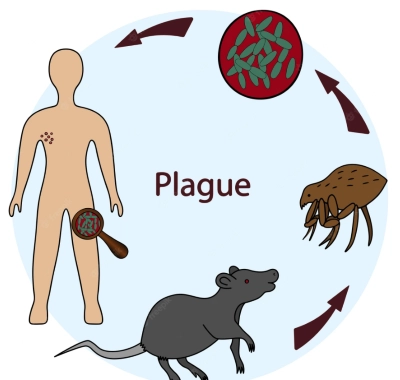
plague

/pleɪɡ/

(noun) 疫病, ペスト, 厄介なもの;

(verb) 悩ませる, 苦しめる

例:

The Black Death was a devastating plague that swept across Europe in the 14th century.
黒死病は14世紀にヨーロッパを席巻した壊滅的な疫病でした。

stroke

/stroʊk/

(noun) 一撃, 筆致, 脳卒中;

(verb) なでる, さする, 打つ

例:
He delivered a powerful stroke with his tennis racket.
彼はテニスラケットで強力な一撃を放った。

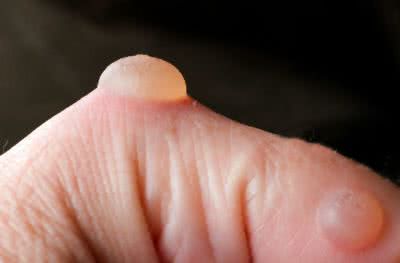
blister

/ˈblɪs.tɚ/

(noun) 水ぶくれ, まめ, 気泡;

(verb) 水ぶくれができる, 気泡ができる

例:
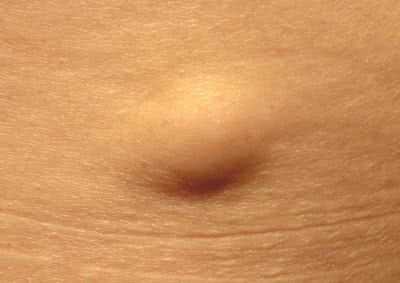
The new shoes gave her a painful blister on her heel.
新しい靴でかかとに痛い水ぶくれができた。

lump

/lʌmp/

(noun) 塊, しこり, こぶ;

(verb) ひとまとめにする, 一緒くたにする, グループ化する

例:
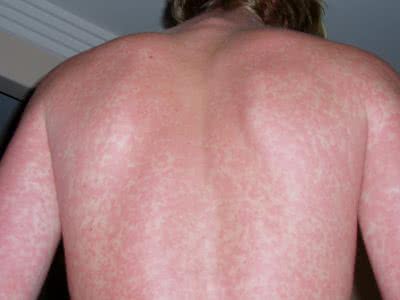
There was a small lump in the dough.
生地に小さながあった。

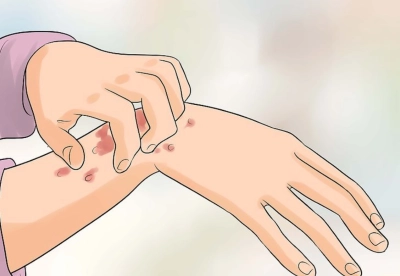
rash

/ræʃ/

(noun) 発疹, 湿疹;

(adjective) 軽率な, 無謀な

例:
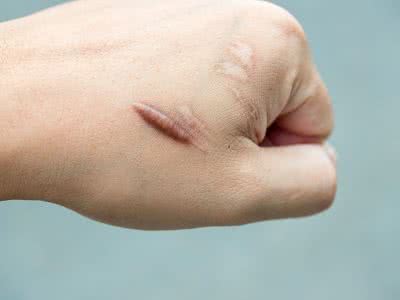
The baby developed a diaper rash.
赤ちゃんにおむつかぶれができた。

scar

/skɑːr/

(noun) 傷跡, 瘢痕, 心の傷;

(verb) 傷つける, 傷跡を残す, 精神的な傷を残す

例:
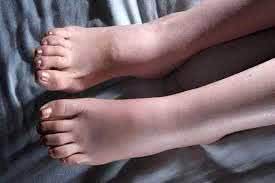
He had a large scar on his arm from the accident.
彼は事故で腕に大きな傷跡があった。

swelling

/ˈswel.ɪŋ/

(noun) 腫れ, 膨張, 増加

例:

The doctor examined the swelling on her ankle.
医者は彼女の足首の腫れを診察した。

collapse

/kəˈlæps/

(verb) 崩壊する, 倒れる, 暴落する;

(noun) 崩壊, 倒壊, 破綻

例:
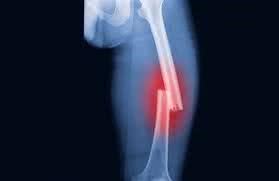
The old bridge finally collapsed under the heavy load.
古い橋は重い荷物の下でついに崩壊した

fatigue

/fəˈtiːɡ/

(noun) 疲労, 倦怠, 劣化;

(verb) 疲労させる, 疲れさせる

例:
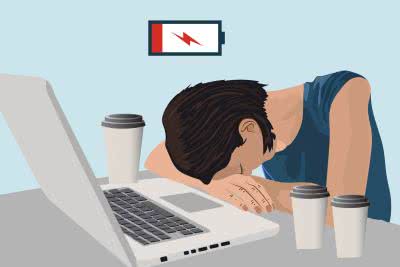
The doctor diagnosed her with chronic fatigue.
医師は彼女に慢性的な疲労と診断した。

fracture

/ˈfræk.tʃɚ/

(noun) 骨折, ひび, 亀裂;

(verb) 骨折する, 割る, 分裂させる

例:

The impact caused a fracture in the bone.
衝撃により骨に骨折が生じた。

bounce back

/baʊns bæk/

(phrasal verb) 立ち直る, 回復する, 盛り返す

例:

After losing the game, the team managed to bounce back with a strong win.
試合に負けた後、チームは力強い勝利で立ち直ることができた。

complain of

/kəmˈpleɪn ʌv/

(phrasal verb) 訴える, 不調を訴える

例:

She began to complain of a headache.
彼女は頭痛を訴え始めた

faint

/feɪnt/

(noun) 失神, 気絶;

(verb) 気を失う, 失神する;

(adjective) かすかな, ぼんやりした, 薄い

例:
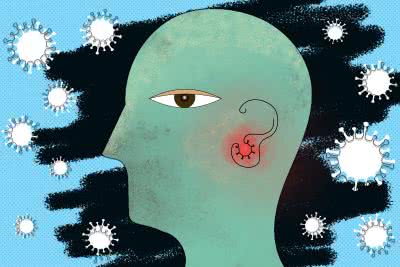
She had a sudden faint and collapsed.
彼女は突然気を失い、倒れた。

infect

/ɪnˈfekt/

(verb) 感染させる, 病原菌を移す, 伝染させる

例:

The virus can infect cells and replicate rapidly.
ウイルスは細胞に感染し、急速に増殖する可能性がある。

addict

/ˈæd.ɪkt/

(noun) 中毒者, 依存症患者, 熱中している人;

(verb) 中毒にさせる, 依存させる

例:

He was a heroin addict for many years.
彼は長年ヘロイン中毒者だった。

carrier

/ˈker.i.ɚ/

(noun) 運搬者, 運搬具, キャリア

例:

The mail carrier delivered the package.
郵便配達員が荷物を届けた。

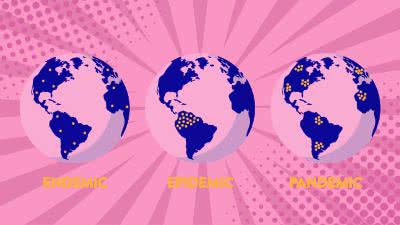
epidemic

/ˌep.əˈdem.ɪk/

(noun) 流行, 伝染病, 急速な広がり;

(adjective) 流行性の, 広範囲にわたる

例:
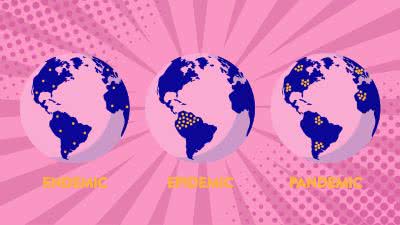
The city is facing an epidemic of flu cases.
その都市はインフルエンザの流行に直面している。

pandemic

/pænˈdem.ɪk/

(noun) パンデミック, 世界的流行病;

(adjective) パンデミックの, 世界的に流行している

例:
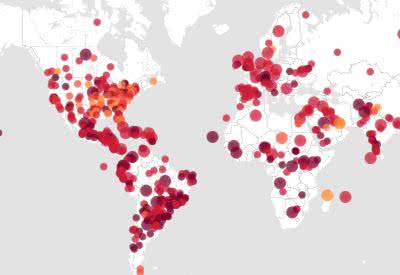
The COVID-19 pandemic affected millions globally.
COVID-19のパンデミックは世界中の何百万人もの人々に影響を与えました。

outbreak

/ˈaʊt.breɪk/

(noun) 発生, 勃発, 流行

例:

The sudden outbreak of the flu caught everyone by surprise.
突然のインフルエンザの発生は皆を驚かせた。

parasite

/ˈper.ə.saɪt/

(noun) 寄生虫, 寄生生物, たかり屋

例:

Fleas are common parasites found on dogs and cats.
ノミは犬や猫によく見られる寄生虫です。

shiver

/ˈʃɪv.ɚ/

(noun) 震え, 身震い;

(verb) 震える, 身震いする

例:

She felt a shiver run down her spine as she heard the eerie sound.
不気味な音を聞いたとき、彼女は背筋に震えを感じた。

worn out

/wɔrn ˈaʊt/

(adjective) 使い古された, すり減った, 疲れ果てた

例:

My old shoes are completely worn out.
私の古い靴は完全に履きつぶされている。

stuffy

/ˈstʌf.i/

(adjective) 息苦しい, 風通しの悪い, むっとする

例:

It's really stuffy in here, can we open a window?
ここは本当に息苦しい、窓を開けてもいいですか?
Lingolandでこの語彙セットを学習