Avatar of Vocabulary Set C1 - 身体不适

词汇集 C1 - 身体不适(属于 C1级别):完整且详细的清单

词汇集「C1 - 身体不适」(属于「C1级别」)从国际标准教材来源精心挑选,帮助您在短时间内掌握词汇。全面汇整定义、例句及标准发音…

在 Lingoland 学习此词汇集

立即学习


ailment

/ˈeɪl.mənt/

(noun) 疾病, 小病, 不适

示例:

She suffered from a minor stomach ailment.
她患有轻微的胃部疾病

agony

/ˈæɡ.ə.ni/

(noun) 痛苦, 苦恼

示例:

He was in agony after breaking his leg.
他摔断腿后痛苦不堪

syndrome

/ˈsɪn.droʊm/

(noun) 综合征, 症候群, 典型模式

示例:

Down syndrome is a genetic disorder.
唐氏综合征是一种遗传性疾病。

acute

/əˈkjuːt/

(adjective) 敏锐的, 深刻的, 严重的

示例:

She has an acute sense of smell.
她有敏锐的嗅觉。

chronic

/ˈkrɑː.nɪk/

(adjective) 慢性的, 长期的, 积习难改的

示例:

She suffers from chronic back pain.
她患有慢性背痛。

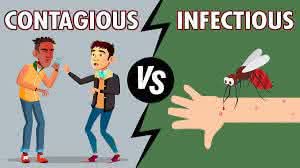
contagious

/kənˈteɪ.dʒəs/

(adjective) 传染性的, 有感染力的

示例:

The flu is highly contagious.
流感具有高度传染性

breathless

/ˈbreθ.ləs/

(adjective) 气喘吁吁的, 上气不接下气的, 屏息的

示例:

She arrived at the top of the stairs, completely breathless.
她到达楼梯顶部时,完全气喘吁吁

dizzy

/ˈdɪz.i/

(adjective) 头晕的, 眩晕的, 令人眩晕的

示例:

I felt dizzy after spinning around so fast.
我快速旋转后感到头晕

fatal

/ˈfeɪ.t̬əl/

(adjective) 致命的, 毁灭性的

示例:

The accident resulted in a fatal injury.
事故导致了致命的伤害。

feverish

/ˈfiː.vər.ɪʃ/

(adjective) 发烧的, 热病的, 狂热的

示例:

She felt hot and feverish all night.
她整晚都感到发热和发烧

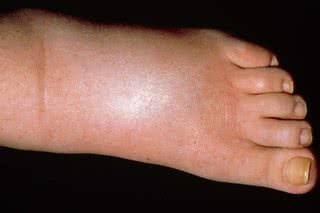
swollen

/ˈswoʊ.lən/

(adjective) 肿胀的, 膨胀的, 上涨的;

(past participle) 肿胀的, 膨胀的

示例:
Her ankle was badly swollen after the fall.
摔倒后她的脚踝严重肿胀

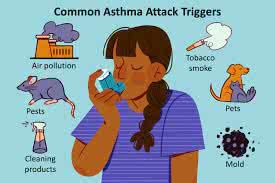
asthma

/ˈæz.mə/

(noun) 哮喘

示例:

She has suffered from asthma since childhood.
她从小就患有哮喘

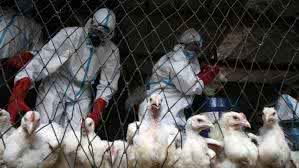
bird flu

/bɜːrd fluː/

(noun) 禽流感

示例:

The government issued a warning about the spread of bird flu.
政府发布了关于禽流感传播的警告。

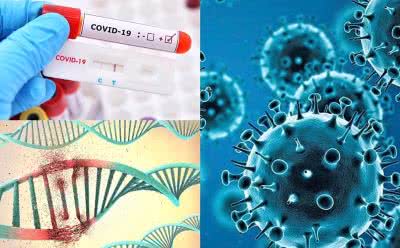
Covid-19

/ˌkoʊ.vɪd ˈnaɪn.tiːn/

(noun) 新冠肺炎, 2019冠状病毒病

示例:

The COVID-19 pandemic caused widespread disruption globally.
新冠肺炎大流行在全球范围内造成了广泛的破坏。

diarrhea

/ˌdaɪ.əˈriː.ə/

(noun) 腹泻

示例:

He suffered from severe diarrhea after eating contaminated food.
他吃了受污染的食物后患上了严重的腹泻

hay fever

/ˈheɪ fiːvər/

(noun) 花粉症

示例:

During spring, my hay fever acts up, making me sneeze constantly.
春天的时候,我的花粉症发作,让我不停地打喷嚏。

HIV

/ˌeɪtʃ.aɪˈviː/

(abbreviation) 艾滋病毒

示例:

Early detection of HIV is crucial for effective treatment.
早期发现艾滋病毒对于有效治疗至关重要。

measles

/ˈmiː.zəlz/

(noun) 麻疹

示例:

The child developed a high fever and a rash, indicating measles.
孩子出现了高烧和皮疹,表明是麻疹

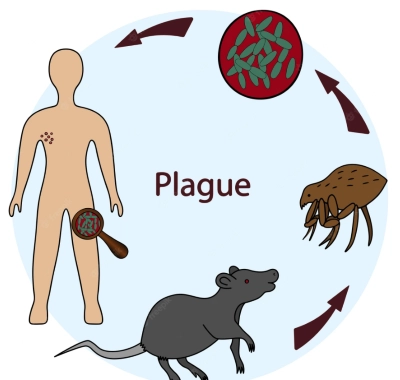
plague

/pleɪɡ/

(noun) 瘟疫, 鼠疫, 祸患;

(verb) 困扰, 折磨

示例:

The Black Death was a devastating plague that swept across Europe in the 14th century.
黑死病是14世纪席卷欧洲的一场毁灭性瘟疫

stroke

/stroʊk/

(noun) 击, 笔触, 中风;

(verb) 抚摸, 轻抚, 击打

示例:
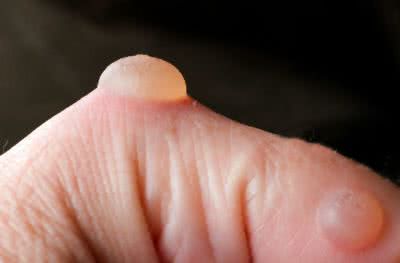
He delivered a powerful stroke with his tennis racket.
他用网球拍打出了有力的一

blister

/ˈblɪs.tɚ/

(noun) 水泡, 水疱, 气泡;

(verb) 起水泡, 起泡

示例:

The new shoes gave her a painful blister on her heel.
新鞋在她的脚后跟磨出了一个疼痛的水泡

lump

/lʌmp/

(noun) 块, 肿块, 疙瘩;

(verb) 归拢, 混为一谈, 合并

示例:
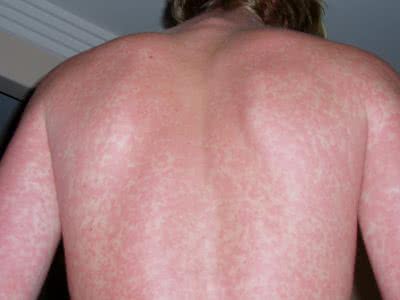
There was a small lump in the dough.
面团里有一个小

rash

/ræʃ/

(noun) 皮疹, 疹子;

(adjective) 草率的, 鲁莽的

示例:

The baby developed a diaper rash.
婴儿得了尿布

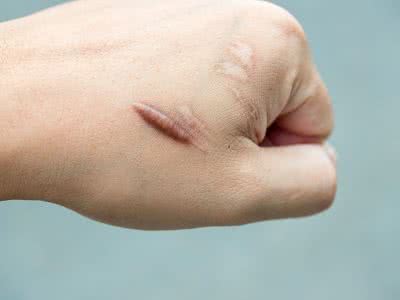
scar

/skɑːr/

(noun) 疤痕, 伤疤, 创伤;

(verb) 使...留下疤痕, 使...结疤, 使...留下心理阴影

示例:

He had a large scar on his arm from the accident.
他手臂上有一道很大的疤痕,是事故造成的。

swelling

/ˈswel.ɪŋ/

(noun) 肿胀, 肿块, 膨胀

示例:

The doctor examined the swelling on her ankle.
医生检查了她脚踝上的肿胀

collapse

/kəˈlæps/

(verb) 坍塌, 倒塌, 暴跌;

(noun) 坍塌, 倒塌, 崩溃

示例:

The old bridge finally collapsed under the heavy load.
旧桥最终在重压下坍塌了。

fatigue

/fəˈtiːɡ/

(noun) 疲劳, 疲惫, 损耗;

(verb) 使疲劳, 使疲惫

示例:
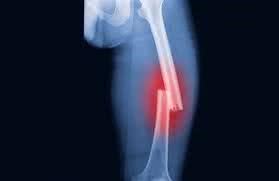
The doctor diagnosed her with chronic fatigue.
医生诊断她患有慢性疲劳

fracture

/ˈfræk.tʃɚ/

(noun) 骨折, 裂缝, 分裂;

(verb) 使破裂, 骨折, 分裂

示例:

The impact caused a fracture in the bone.
撞击导致骨骼骨折

bounce back

/baʊns bæk/

(phrasal verb) 反弹, 恢复, 振作

示例:

After losing the game, the team managed to bounce back with a strong win.
输掉比赛后,球队成功地反弹,取得了强劲的胜利。

complain of

/kəmˈpleɪn ʌv/

(phrasal verb) 抱怨, 诉说

示例:

She began to complain of a headache.
她开始抱怨头痛。

faint

/feɪnt/

(noun) 昏厥, 晕倒;

(verb) 晕倒, 昏厥;

(adjective) 微弱的, 模糊的, 不清楚的

示例:
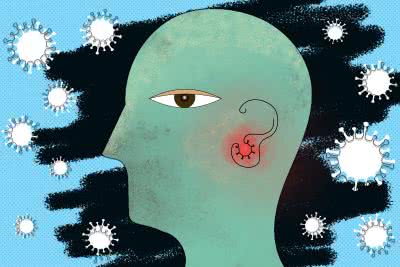
She had a sudden faint and collapsed.
她突然晕倒并倒下了。

infect

/ɪnˈfekt/

(verb) 感染, 传染, 影响

示例:

The virus can infect cells and replicate rapidly.
病毒可以感染细胞并迅速复制。

addict

/ˈæd.ɪkt/

(noun) 吸毒者, 瘾君子, 迷;

(verb) 使上瘾, 使沉迷

示例:

He was a heroin addict for many years.
他曾是多年的海洛因吸毒者

carrier

/ˈker.i.ɚ/

(noun) 运载工具, 搬运工, 运营商

示例:

The mail carrier delivered the package.
邮件投递员递送了包裹。

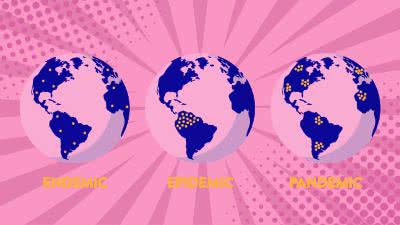
epidemic

/ˌep.əˈdem.ɪk/

(noun) 流行病, 疫情, 迅速蔓延;

(adjective) 流行的, 普遍的

示例:
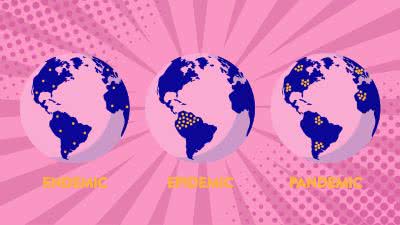
The city is facing an epidemic of flu cases.
这座城市正面临流感疫情

pandemic

/pænˈdem.ɪk/

(noun) 大流行病, 全球性流行病;

(adjective) 大流行的, 全球性的

示例:
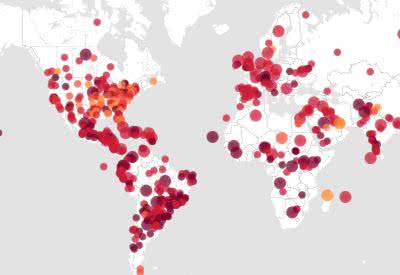
The COVID-19 pandemic affected millions globally.
COVID-19大流行影响了全球数百万人。

outbreak

/ˈaʊt.breɪk/

(noun) 爆发, 发作, 流行

示例:

The sudden outbreak of the flu caught everyone by surprise.
流感的突然爆发让所有人措手不及。

parasite

/ˈper.ə.saɪt/

(noun) 寄生虫, 寄生生物, 白吃白喝的人

示例:

Fleas are common parasites found on dogs and cats.
跳蚤是狗和猫身上常见的寄生虫

shiver

/ˈʃɪv.ɚ/

(noun) 颤抖, 哆嗦;

(verb) 颤抖, 哆嗦

示例:

She felt a shiver run down her spine as she heard the eerie sound.
听到那诡异的声音,她感到一阵颤抖

worn out

/wɔrn ˈaʊt/

(adjective) 磨损的, 破旧的, 筋疲力尽的

示例:

My old shoes are completely worn out.
我的旧鞋完全磨损了

stuffy

/ˈstʌf.i/

(adjective) 闷热的, 不通风的, 空气不新鲜的

示例:

It's really stuffy in here, can we open a window?
这里真,我们能开窗吗?
在 Lingoland 学习此词汇集