Avatar of Vocabulary Set B2 - 社会について話しましょう!

レベル B2 内 B2 - 社会について話しましょう! 語彙セット:完全かつ詳細なリスト

「レベル B2」内の「B2 - 社会について話しましょう!」語彙セットは国際標準教材から厳選され、短期間で語彙をマスターできます。定義、例文、標準発音を網羅…

Lingolandでこの語彙セットを学習

今すぐ学習

aa

/ˌeɪˈeɪ/

(noun) アア溶岩, アア;

(interjection) ああ, なるほど

例:

The volcanic eruption produced vast fields of aa lava.
火山噴火は広大なアア溶岩の原野を生み出した。

alcoholic

/ˌæl.kəˈhɑː.lɪk/

(noun) アルコール依存症者, アルコール中毒者;

(adjective) アルコール性の, アルコールを含む

例:

He admitted he was an alcoholic and sought help.
彼は自分がアルコール依存症であることを認め、助けを求めた。

alcohol abuse

/ˈæl.kə.hɑːl əˈbjuːs/

(noun) アルコール乱用, アルコール依存症

例:

Alcohol abuse can lead to serious health problems.
アルコール乱用は深刻な健康問題につながる可能性があります。

aid

/eɪd/

(noun) 援助, 助け, 支援;

(verb) 助ける, 援助する, 支援する

例:

The organization provides humanitarian aid to disaster victims.
その組織は災害の犠牲者に人道的な援助を提供している。

beg

/beɡ/

(verb) 請う, 懇願する, 物乞いする

例:

She had to beg for forgiveness.
彼女は許しを請わなければならなかった。

beggar

/ˈbeɡ.ɚ/

(noun) 物乞い, 乞食;

(verb) 貧困に陥れる, 破産させる

例:
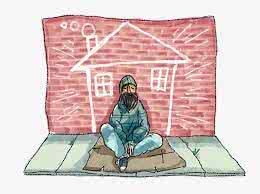
The old beggar sat by the roadside, asking for alms.
老いた物乞いは道端に座り、施しを求めていた。

homeless

/ˈhoʊm.ləs/

(adjective) ホームレスの, 住居のない;

(plural noun) ホームレス

例:

The city has a growing population of homeless people.
その都市にはホームレスの人々が増加している。

bias

/ˈbaɪ.əs/

(noun) 偏見, 偏り, 先入観;

(verb) 偏らせる, 偏向させる

例:
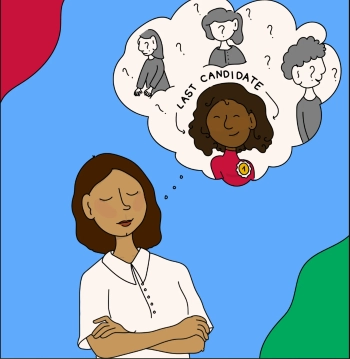
There was a clear bias against women in the hiring process.
採用プロセスにおいて、女性に対する明確な偏見があった。

biased

/ˈbaɪ.əst/

(adjective) 偏った, 不公平な

例:

The news report was heavily biased towards the government's view.
そのニュース報道は政府の見解に強く偏っていた

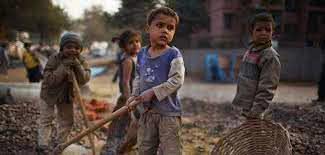
child labor

/ˈtʃaɪld ˌleɪ.bər/

(noun) 児童労働

例:

Many organizations are fighting against child labor in developing countries.
多くの組織が発展途上国における児童労働と闘っている。

consequence

/ˈkɑːn.sə.kwəns/

(noun) 結果, 影響, 重要性

例:

The drought had serious consequences for farmers.
干ばつは農家にとって深刻な結果をもたらした。

contribute

/kənˈtrɪb.juːt/

(verb) 貢献する, 寄付する, 一因となる

例:

He contributed a large sum to the charity.
彼は慈善団体に多額の寄付をした

hunger

/ˈhʌŋ.ɡɚ/

(noun) 空腹, 飢え, 渇望;

(verb) 渇望する, 切望する, 空腹を感じる

例:

He felt a pang of hunger.
彼は空腹の痛みに襲われた。

relationship

/rɪˈleɪ.ʃən.ʃɪp/

(noun) 関係, 関連, 付き合い

例:

The relationship between diet and health is well-known.
食事と健康の関係はよく知られている。

dismiss

/dɪˈsmɪs/

(verb) 解散させる, 解雇する, 却下する

例:

She dismissed the class early.
彼女は授業を早く解散させた

donation

/doʊˈneɪ.ʃən/

(noun) 寄付, 寄贈, 献金

例:

The charity relies heavily on public donations.
その慈善団体は一般からの寄付に大きく依存している。

equal

/ˈiː.kwəl/

(adjective) 等しい, 同等の, 耐えうる;

(noun) 対等な存在, 匹敵する者;

(verb) 等しい, に相当する

例:

All men are created equal.
すべての人は平等に作られている。

majority

/məˈdʒɔː.rə.t̬i/

(noun) 大多数, 過半数, 成人

例:

The majority of people voted for the new policy.
大多数の人々が新しい政策に投票した。

minority

/maɪˈnɔːr.ə.t̬i/

(noun) 少数, 少数派, 少数民族

例:

Only a small minority of students failed the exam.
ごくわずかな少数の学生だけが試験に落ちた。

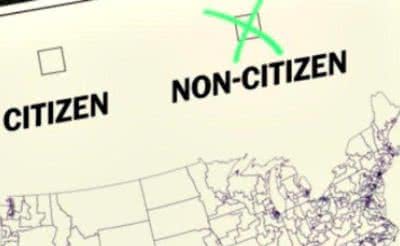
noncitizen

/ˌnɑːnˈsɪt̬.ə.zən/

(noun) 非市民, 外国人

例:

The new law affects both citizens and noncitizens residing in the country.
新しい法律は、国内に居住する市民と非市民の両方に影響を与える。

protester

/ˈproʊ.tes.tɚ/

(noun) 抗議者, デモ参加者

例:

The police arrested several protesters at the demonstration.
警察はデモで数人の抗議者を逮捕した。

racist

/ˈreɪ.sɪst/

(noun) 人種差別主義者;

(adjective) 人種差別的な

例:

He was called a racist for his offensive remarks.
彼は攻撃的な発言のために人種差別主義者と呼ばれた。

sexist

/ˈsek.sɪst/

(adjective) 性差別的な;

(noun) 性差別主義者

例:

The company was accused of sexist hiring practices.
その会社は性差別的な採用慣行で告発された。

minimum wage

/ˈmɪn.ɪ.məm ˌweɪdʒ/

(noun) 最低賃金

例:

Many workers struggle to live on minimum wage.
多くの労働者は最低賃金で生活するのに苦労している。

quality of life

/ˌkwɑː.lə.ti əv ˈlaɪf/

(noun) 生活の質, クオリティ・オブ・ライフ

例:

Access to clean water and sanitation significantly improves the quality of life.
きれいな水と衛生設備へのアクセスは、生活の質を大幅に向上させます。

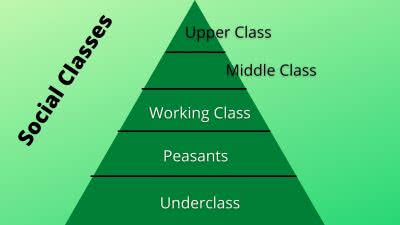
social class

/ˌsoʊ.ʃəl ˈklæs/

(noun) 社会階級

例:

The novel explores the complexities of social class in Victorian England.
その小説はヴィクトリア朝イングランドにおける社会階級の複雑さを探求している。

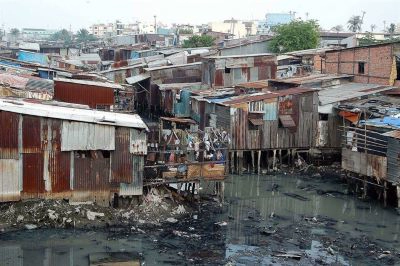
slum

/slʌm/

(noun) スラム, 貧民街;

(verb) スラムに住む, 質素な生活を送る

例:

Many people live in the slums of the city.
多くの人々が都市のスラム街に住んでいます。

shelter

/ˈʃel.t̬ɚ/

(noun) 避難所, シェルター, 保護;

(verb) 保護する, 避難させる, 守る

例:

We sought shelter from the storm in an old barn.
私たちは古い納屋で嵐からの避難場所を探した。

blame

/bleɪm/

(noun) 責任, 非難;

(verb) 責める, 非難する

例:

She took all the blame for the mistake.
彼女はその間違いのすべての責任を負った。

march

/mɑːrtʃ/

(verb) 行進する, 歩く, ずんずん歩く;

(noun) 行進, 行進曲, 3月

例:

The soldiers marched in perfect formation.
兵士たちは完璧な隊列で行進した

starve

/stɑːrv/

(verb) 飢える, 餓死する, お腹がペコペコだ

例:

Many people starve in war-torn regions.
戦禍の地域では多くの人々が飢えている

strike

/straɪk/

(verb) 打つ, たたく, ストライキをする;

(noun) ストライキ, 打撃, 攻撃

例:

He raised his hand to strike the ball.
彼はボールを打つために手を上げた。

honor

/ˈɑː.nɚ/

(noun) 名誉, 尊敬, 誠実さ;

(verb) 称える, 尊敬する

例:

He served his country with honor.
彼は名誉をもって国に仕えた。

get together

/ɡet təˈɡeð.ər/

(phrasal verb) 集まる, 会う, 付き合い始める

例:

Let's get together for coffee next week.
来週コーヒーを飲みに行きましょう
Lingolandでこの語彙セットを学習