Avatar of Vocabulary Set B2 - 対立は避けられない!

レベル B2 内 B2 - 対立は避けられない! 語彙セット:完全かつ詳細なリスト

「レベル B2」内の「B2 - 対立は避けられない!」語彙セットは国際標準教材から厳選され、短期間で語彙をマスターできます。定義、例文、標準発音を網羅…

Lingolandでこの語彙セットを学習

今すぐ学習

action

/ˈæk.ʃən/

(noun) 行動, 措置, アクション

例:

The government must take action to reduce crime.
政府は犯罪を減らすために行動を起こさなければならない。

advance

/ədˈvæns/

(noun) 前進, 進歩, 前払い;

(verb) 前進する, 進歩する, 前払いする;

(adjective) 事前の, 先行の

例:

The army made a rapid advance towards the enemy lines.
軍は敵陣に向かって急速な前進をした。

camp

/kæmp/

(noun) キャンプ, 野営地, 陣営;

(verb) キャンプする, 野営する;

(adjective) わざとらしい, けばけばしい

例:
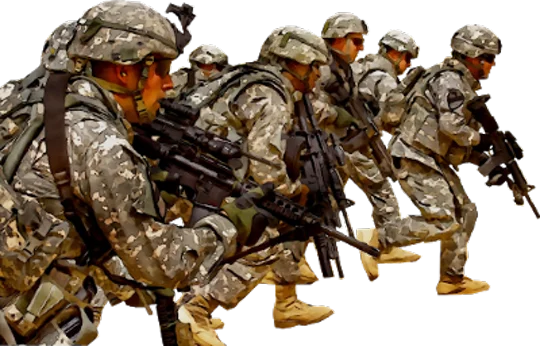
We set up camp near the river.
私たちは川の近くにキャンプを張った。

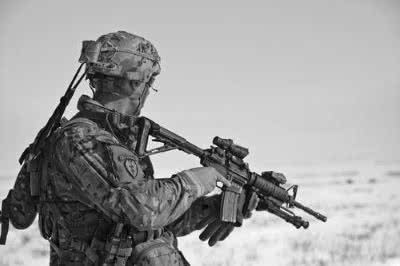
military

/ˈmɪl.ə.ter.i/

(noun) 軍隊, 軍;

(adjective) 軍事の, 軍の

例:

He joined the military after high school.
彼は高校卒業後、軍隊に入隊した。

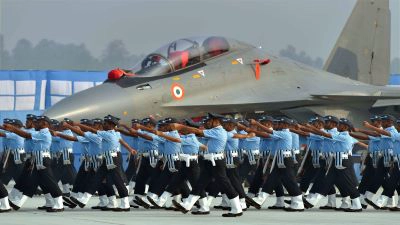
air force

/ˈer fɔːrs/

(noun) 空軍

例:

My brother joined the Air Force after high school.
兄は高校卒業後、空軍に入隊した。

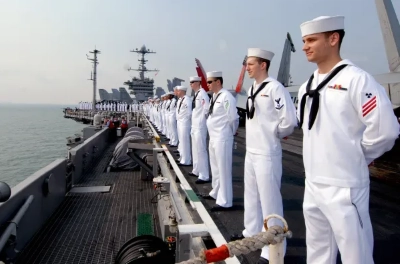
navy

/ˈneɪ.vi/

(noun) 海軍, 艦隊, ネイビー;

(adjective) ネイビーの, 濃紺の

例:

She joined the Navy after graduating from college.
彼女は大学卒業後、海軍に入隊した。

strategy

/ˈstræt̬.ə.dʒi/

(noun) 戦略, 計画, 軍事戦略

例:

The company developed a new marketing strategy.
その会社は新しいマーケティング戦略を開発した。

arms

/ɑːrmz/

(plural noun) 腕, 武器, 兵器;

(verb) 武装させる

例:

She held the baby in her arms.
彼女は赤ちゃんを腕に抱いた。

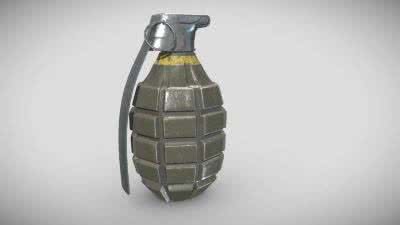
grenade

/ɡrəˈneɪd/

(noun) 手榴弾

例:

The soldier pulled the pin from the grenade and threw it.
兵士は手榴弾のピンを抜き、それを投げた。

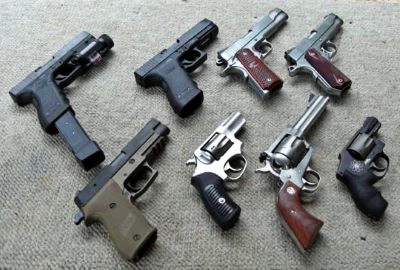
handgun

/ˈhænd.ɡʌn/

(noun) 拳銃, ハンドガン

例:

The police officer drew his handgun from its holster.
警察官はホルスターから拳銃を抜いた。

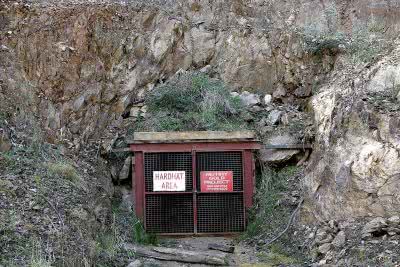
mine

/maɪn/

(noun) 鉱山, 採掘場, 地雷;

(verb) 採掘する, 掘る, 地雷を敷設する;

(pronoun) 私のもの, 私の

例:

The coal mine was closed due to safety concerns.
安全上の懸念から石炭鉱山は閉鎖された。

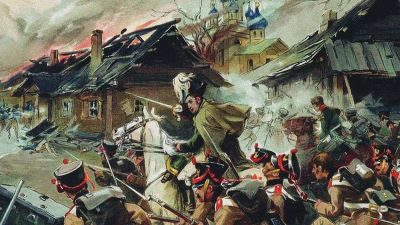
campaign

/kæmˈpeɪn/

(noun) 作戦, 軍事行動, キャンペーン;

(verb) 運動する, キャンペーンを行う

例:

The general launched a new campaign against the enemy.
将軍は敵に対して新たな作戦を開始した。

conspiracy

/kənˈspɪr.ə.si/

(noun) 陰謀, 共謀, 陰謀を企てること

例:

They uncovered a conspiracy to overthrow the government.
彼らは政府を転覆させる陰謀を暴いた。

command

/kəˈmænd/

(noun) 命令, 指令, 支配;

(verb) 命令する, 指揮する, 支配する

例:

The officer gave a clear command to his troops.
将校は部隊に明確な命令を下した。

declare

/dɪˈkler/

(verb) 宣言する, 発表する, 申告する

例:

The government declared a state of emergency.
政府は非常事態を宣言した

desert

/ˈdez.ɚt/

(noun) 砂漠;

(verb) 見捨てる, 脱走する

例:

The Sahara is the largest hot desert in the world.
サハラ砂漠は世界最大の熱い砂漠です。

dominate

/ˈdɑː.mə.neɪt/

(verb) 支配する, 優位に立つ, 目立つ

例:

The company has managed to dominate the market.
その会社は市場を支配することに成功した。

invade

/ɪnˈveɪd/

(verb) 侵略する, 侵攻する, 侵害する

例:

The army prepared to invade the neighboring territory.
軍は隣接する領土を侵略する準備をした。

negotiate

/nəˈɡoʊ.ʃi.eɪt/

(verb) 交渉する, うまく通過する, 乗り越える

例:

The two sides agreed to negotiate a peace treaty.
両者は平和条約を交渉することに合意した。

recruit

/rɪˈkruːt/

(noun) 新兵, 新入隊員, 新メンバー;

(verb) 募集する, 採用する, 編成する

例:

The new recruits arrived at the training camp.
新しい新兵たちが訓練キャンプに到着した。

strike

/straɪk/

(verb) 打つ, たたく, ストライキをする;

(noun) ストライキ, 打撃, 攻撃

例:

He raised his hand to strike the ball.
彼はボールを打つために手を上げた。

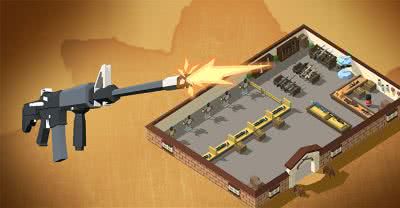
gunfight

/ˈɡʌn.faɪt/

(noun) 銃撃戦, 撃ち合い

例:

The old Western movie featured a dramatic gunfight in the dusty street.
古い西部劇映画は、埃っぽい通りでの劇的な銃撃戦を特徴としていた。

armed

/ɑːrmd/

(adjective) 武装した, 武器を持った, 腕のある;

(verb) 武装させる, 武器を与える

例:
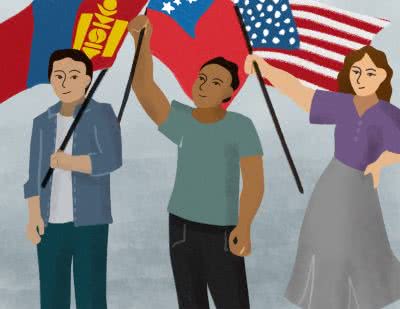
The police officer was heavily armed.
警察官は重く武装していた。

civil

/ˈsɪv.əl/

(adjective) 市民の, 民間の, 礼儀正しい

例:

The government is focused on civil liberties.
政府は市民の自由を重視している。

neutral

/ˈnuː.trəl/

(adjective) 中立の, 公平な, 無表情の;

(noun) ニュートラル, 中立

例:

Switzerland remained neutral during both World Wars.
スイスは両世界大戦中も中立を保った。

occupied

/ˈɑː.kjə.paɪd/

(adjective) 使用中, 占有されている, 占領された;

(verb) 占領する, 占拠する, 占める

例:
The bathroom is occupied.
バスルームは使用中です。

parade

/pəˈreɪd/

(noun) パレード, 行進, 行列;

(verb) 行進する, 見せびらかす

例:
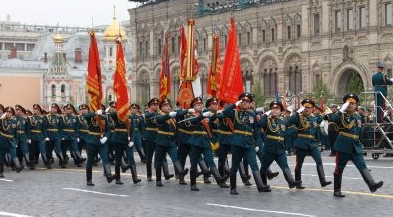
The city held a grand parade to celebrate the national holiday.
市は祝日を祝うために盛大なパレードを開催した。

prisoner of war

/ˌprɪz.ən.ər əv ˈwɔːr/

(noun) 捕虜

例:

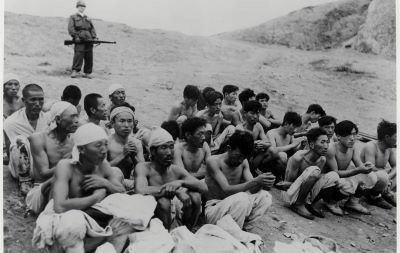
Many soldiers became prisoners of war during the conflict.
多くの兵士が紛争中に捕虜となった。

rank

/ræŋk/

(noun) 階級, 地位, 順位;

(verb) ランク付けする, 順位を付ける;

(adjective) ひどい臭いの, 悪臭の, 生い茂った

例:
He was promoted to the rank of captain.
彼は大尉の階級に昇進した。

refugee

/ˌref.jʊˈdʒiː/

(noun) 難民

例:

Thousands of refugees crossed the border seeking safety.
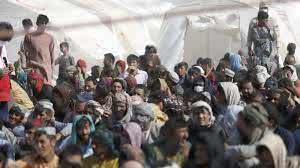
何千人もの難民が安全を求めて国境を越えた。

volunteer

/ˌvɑː.lənˈtɪr/

(noun) ボランティア, 志願者;

(verb) 志願する, 申し出る

例:

Many volunteers helped clean up the park.
多くのボランティアが公園の清掃を手伝った。

service

/ˈsɝː.vɪs/

(noun) サービス, 奉仕, 公共事業;

(verb) 奉仕する, 勤務する, 提供する

例:
The hotel provides excellent room service.
そのホテルは素晴らしいルームサービスを提供しています。

tank

/tæŋk/

(noun) タンク, 水槽, 戦車;

(verb) 失敗する, 落ち込む

例:
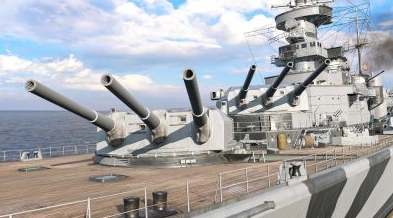
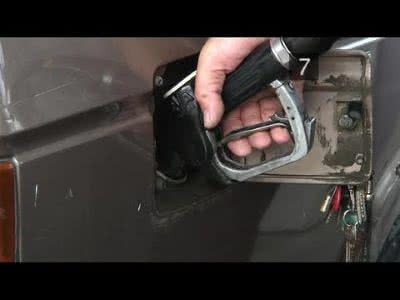
The car's fuel tank is almost empty.
車の燃料タンクはほとんど空です。

warship

/ˈwɔːr.ʃɪp/

(noun) 軍艦

例:

The navy deployed a new warship to the region.
海軍は新しい軍艦をその地域に配備した。

war crime

/wɔːr kraɪm/

(noun) 戦争犯罪

例:

The general was accused of committing war crimes during the conflict.
その将軍は紛争中に戦争犯罪を犯したとして告発された。

target

/ˈtɑːr.ɡɪt/

(noun) 的, 標的, 目標;

(verb) 標的とする, 狙う, 対象とする

例:
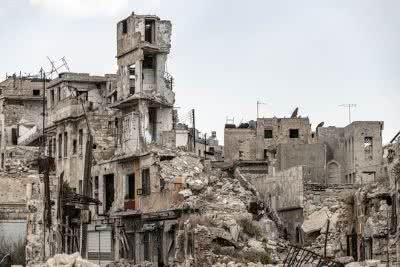
The archer hit the target with his arrow.
射手は矢でを射た。

destruction

/dɪˈstrʌk.ʃən/

(noun) 破壊, 破滅, 荒廃

例:

The earthquake caused widespread destruction.
地震は広範囲にわたる破壊を引き起こした。

wound

/wuːnd/

(noun) 傷, 負傷, 痛手;

(verb) 傷つける, 負傷させる, 心を痛める

例:
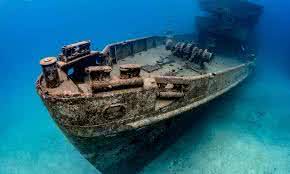
The doctor cleaned the deep wound on his arm.
医者は彼の腕の深いをきれいにした。

wreck

/rek/

(noun) 破壊, 残骸, 難破船;

(verb) 破壊する, 台無しにする, 難破させる

例:

The storm caused a lot of wreck along the coast.
嵐は海岸沿いに多くの破壊を引き起こした。
Lingolandでこの語彙セットを学習