Avatar of Vocabulary Set A2 - 反対の形容詞 1

レベル A2 内 A2 - 反対の形容詞 1 語彙セット:完全かつ詳細なリスト

「レベル A2」内の「A2 - 反対の形容詞 1」語彙セットは国際標準教材から厳選され、短期間で語彙をマスターできます。定義、例文、標準発音を網羅…

Lingolandでこの語彙セットを学習

今すぐ学習

intelligent

/ɪnˈtel.ə.dʒənt/

(adjective) 知的な, 賢い

例:

She is a very intelligent student.
彼女はとても知的な学生です。

unintelligent

/ˌʌn.ɪnˈtel.ɪ.dʒənt/

(adjective) 知性のない, 愚かな

例:

His comments were rather unintelligent and showed a lack of understanding.
彼のコメントはかなり知性のないもので、理解不足を示していた。

pleasant

/ˈplez.ənt/

(adjective) 楽しい, 快適な, 感じの良い

例:

We had a very pleasant evening.
とても楽しい夜を過ごしました。

unpleasant

/ʌnˈplez.ənt/

(adjective) 不快な, 嫌な

例:

The smell from the garbage was very unpleasant.
ゴミの匂いはとても不快だった。

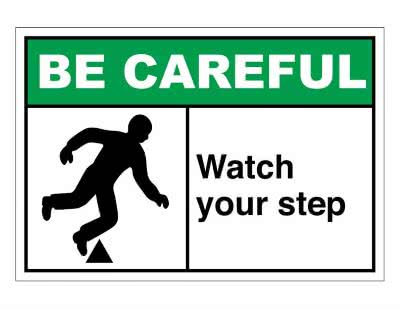
careful

/ˈker.fəl/

(adjective) 注意深い, 慎重な, 綿密な

例:

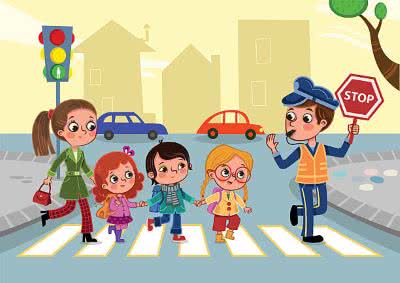
Be careful when crossing the road.
道を渡るときは注意してください。

careless

/ˈker.ləs/

(adjective) 不注意な, 軽率な, ずさんな

例:

It was careless of him to leave the door unlocked.
ドアの鍵を開けっ放しにするなんて、彼は不注意だった。

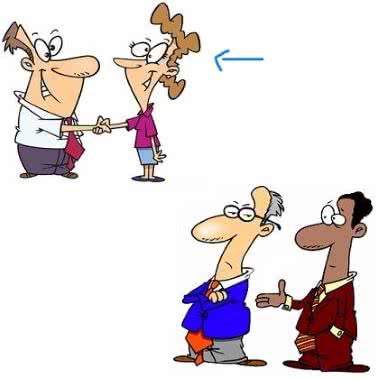
polite

/pəˈlaɪt/

(adjective) 礼儀正しい, 丁寧な

例:

It's important to be polite to your elders.
年長者には礼儀正しくすることが大切です。

impolite

/ˌɪm.pəlˈaɪt/

(adjective) 失礼な, 無礼な

例:

It's impolite to interrupt someone while they are speaking.
人が話している途中で遮るのは失礼です。

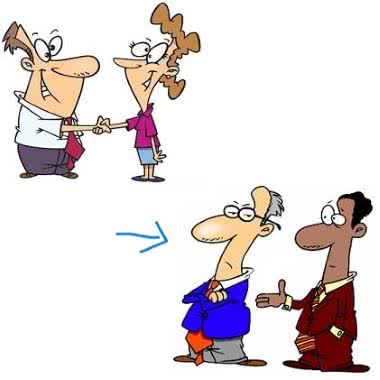
friendly

/ˈfrend.li/

(adjective) フレンドリーな, 親切な, 優しい

例:

She has a very friendly smile.
彼女はとてもフレンドリーな笑顔をしています。

unfriendly

/ʌnˈfrend.li/

(adjective) 不親切な, 敵意のある, よそよそしい

例:

The new neighbor seemed very unfriendly.
新しい隣人はとても不親切に見えた。

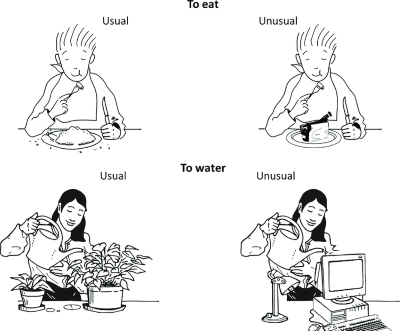
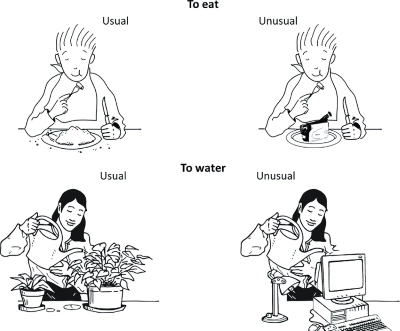
usual

/ˈjuː.ʒu.əl/

(adjective) いつもの, 通常の, 普通の

例:

He took his usual seat at the back of the room.
彼は部屋の後ろにあるいつもの席に座った。

unusual

/ʌnˈjuː.ʒu.əl/

(adjective) 珍しい, 普通でない, 異常な

例:

It's unusual for him to be late.
彼が遅刻するのは珍しい

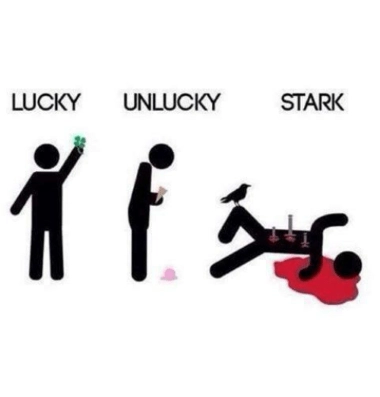
lucky

/ˈlʌk.i/

(adjective) 幸運な, 運の良い

例:

I feel so lucky to have such supportive friends.
こんなに協力的な友達がいて、本当に幸運だと感じています。

unlucky

/ʌnˈlʌk.i/

(adjective) 不運な, 運の悪い

例:

He was unlucky to lose the game after playing so well.
彼はあれほどよくプレーしたのに、試合に負けて不運だった。

complete

/kəmˈpliːt/

(adjective) 完全な, 完成した, 全くの;

(verb) 完成させる, 終える

例:

The puzzle is now complete.
パズルはこれで完成です。

incomplete

/ˌɪn.kəmˈpliːt/

(adjective) 未完成の, 不完全な

例:

The report is still incomplete.
レポートはまだ未完成です。

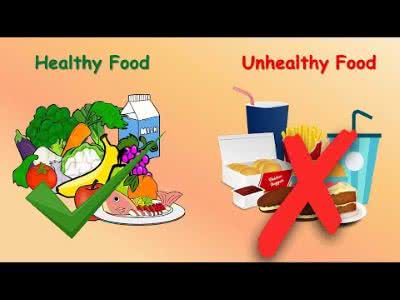
healthy

/ˈhel.θi/

(adjective) 健康な, 健全な, 健康に良い

例:

Eating fruits and vegetables helps you stay healthy.
果物や野菜を食べることは、健康を保つのに役立ちます。

unhealthy

/ʌnˈhel.θi/

(adjective) 不健康な, 体に悪い, 病弱な

例:

Eating too much fast food is unhealthy.
ファストフードを食べ過ぎるのは不健康です。

correct

/kəˈrekt/

(adjective) 正しい, 正確な;

(verb) 訂正する, 修正する

例:
Please make sure your answers are correct.
回答が正しいことを確認してください。

incorrect

/ˌɪn.kəˈrekt/

(adjective) 間違った, 不正確な

例:

Your answer is incorrect.
あなたの答えは間違っています

popular

/ˈpɑː.pjə.lɚ/

(adjective) 人気のある, 流行の, 大衆の

例:

This song is very popular right now.
この歌は今とても人気があります。

unpopular

/ʌnˈpɑː.pjə.lɚ/

(adjective) 不人気な, 不評な

例:

His decision to cut benefits was very unpopular with the public.
彼の給付金削減の決定は、国民に非常に不評だった。

safe

/seɪf/

(adjective) 安全な, 無事な, 無害な;

(noun) 金庫, セーフ

例:
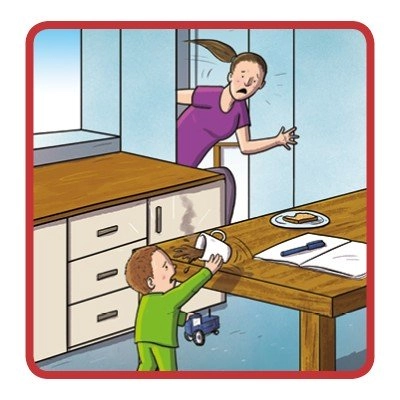
Keep your valuables in a safe place.
貴重品は安全な場所に保管してください。

unsafe

/ʌnˈseɪf/

(adjective) 危険な, 安全でない

例:

It's unsafe to walk alone at night in this area.
この地域では夜一人で歩くのは危険です。

well

/wel/

(adverb) よく, 上手に, 十分に;

(adjective) 元気な, 健康な;

(interjection) さて, まあ;

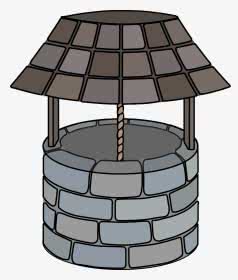
(noun) 井戸, 源泉;

(verb) こみ上げる, 湧き出る

例:

She sings very well.
彼女はとても上手に歌います。

unwell

/ʌnˈwel/

(adjective) 気分が悪い, 体調が悪い

例:

She felt unwell and decided to go home early.
彼女は気分が悪くなり、早く家に帰ることにした。

important

/ɪmˈpɔːr.tənt/

(adjective) 重要な, 大切な, 肝心な

例:

It's important to eat a healthy breakfast.
健康的な朝食を摂ることは重要です。

unimportant

/ˌʌn.ɪmˈpɔːr.t̬ənt/

(adjective) 重要でない, 取るに足らない

例:

The details of the meeting were unimportant.
会議の詳細は重要ではなかった

possible

/ˈpɑː.sə.bəl/

(adjective) 可能, あり得る, 潜在的な

例:

It is possible to finish the project by Friday.
金曜日までにプロジェクトを終えることは可能です。

impossible

/ɪmˈpɑː.sə.bəl/

(adjective) 不可能, ありえない, 非常に難しい

例:

It's impossible to finish this work in one day.
この仕事を一日で終えるのは不可能だ。

formal

/ˈfɔːr.məl/

(adjective) 正式な, 公式の, 形式的な

例:

The meeting requires formal attire.
会議にはフォーマルな服装が必要です。

informal

/ɪnˈfɔːr.məl/

(adjective) 非公式の, カジュアルな, くつろいだ

例:

The meeting had an informal atmosphere.
会議は非公式な雰囲気だった。

other

/ˈʌð.ɚ/

(adjective) 他の, 別の;

(pronoun) もう一つ, 他のもの

例:

Do you have any other questions?
他に質問はありますか?

same

/seɪm/

(adjective) 同じ, 同一の, 同じもの;

(pronoun) 同じもの, 同様のもの;

(adverb) 同じように, 同様に

例:

We have the same car.
私たちは同じ車を持っています。
Lingolandでこの語彙セットを学習