Avatar of Vocabulary Set A2 - Lettera E

Insieme di vocabolario A2 - Lettera E in Oxford 3000 - A2: Lista completa e dettagliata

L'insieme di vocabolario 'A2 - Lettera E' in 'Oxford 3000 - A2' è selezionato con cura da fonti di testi standard internazionali, aiutandoti a padroneggiare il vocabolario in breve tempo. Compilazione completa di definizioni, esempi illustrativi e pronuncia standard...

Impara questo insieme di vocabolario su Lingoland

Impara ora

earn

/ɝːn/

(verb) guadagnare, meritare

Esempio:

She works hard to earn a living.
Lavora sodo per guadagnarsi da vivere.

earth

/ɝːθ/

(noun) Terra, mondo, terra;

(verb) mettere a terra, collegare a terra

Esempio:
The Earth revolves around the Sun.
La Terra ruota attorno al Sole.

easily

/ˈiː.zəl.i/

(adverb) facilmente, agevolmente, di gran lunga

Esempio:

She can easily lift that box.
Può sollevare quella scatola facilmente.

education

/ˌedʒ.əˈkeɪ.ʃən/

(noun) istruzione, educazione, lezione

Esempio:

She received her education at a prestigious university.
Ha ricevuto la sua istruzione presso un'università prestigiosa.

effect

/əˈfekt/

(noun) effetto, conseguenza, impressione;

(verb) effettuare, realizzare

Esempio:
The new policy had a positive effect on the economy.
La nuova politica ha avuto un effetto positivo sull'economia.

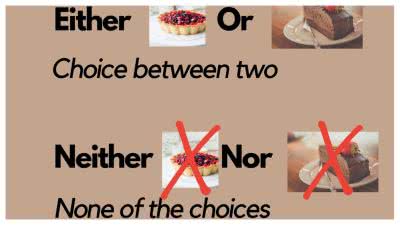
either

/ˈiː.ðɚ/

(determiner) o, entrambi, qualsiasi;

(pronoun) uno dei due, qualsiasi dei due;

(adverb) neanche, nemmeno

Esempio:
You can either stay or leave.
Puoi o restare o andartene.

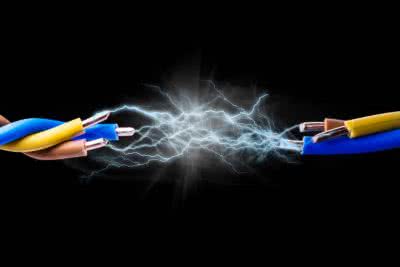
electric

/ɪˈlek.trɪk/

(adjective) elettrico, carico, elettrizzante

Esempio:

She bought a new electric car.
Ha comprato una nuova auto elettrica.

electrical

/iˈlek.trɪ.kəl/

(adjective) elettrico, alimentato a elettricità

Esempio:
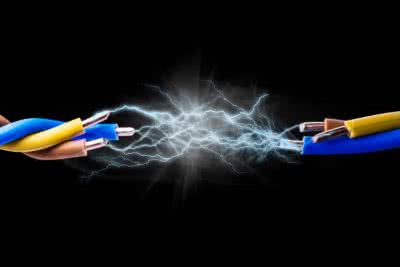
The house needs new electrical wiring.
La casa ha bisogno di un nuovo impianto elettrico.

electricity

/ɪˌlekˈtrɪs.ə.t̬i/

(noun) elettricità, corrente elettrica

Esempio:

The house runs on solar electricity.
La casa funziona con l'elettricità solare.

electronic

/iˌlekˈtrɑː.nɪk/

(adjective) elettronico

Esempio:

Modern cars have many electronic systems.
Le auto moderne hanno molti sistemi elettronici.

employ

/ɪmˈplɔɪ/

(verb) assumere, impiegare, utilizzare

Esempio:

The company decided to employ more staff to handle the increased workload.
L'azienda ha deciso di assumere più personale per gestire l'aumento del carico di lavoro.

employee

/ɪmˈplɔɪ.iː/

(noun) dipendente, impiegato

Esempio:

The company has over 500 employees worldwide.
L'azienda ha oltre 500 dipendenti in tutto il mondo.

employer

/ɪmˈplɔɪ.ɚ/

(noun) datore di lavoro

Esempio:

My employer offers great benefits.
Il mio datore di lavoro offre ottimi benefici.

empty

/ˈemp.ti/

(adjective) vuoto, privo di significato;

(verb) svuotare

Esempio:

The box was completely empty.
La scatola era completamente vuota.

ending

/ˈen.dɪŋ/

(noun) finale, conclusione, desinenza

Esempio:

The movie had a surprising ending.
Il film ha avuto un finale sorprendente.

energy

/ˈen.ɚ.dʒi/

(noun) energia, vitalità

Esempio:

She has a lot of energy for her age.
Ha molta energia per la sua età.

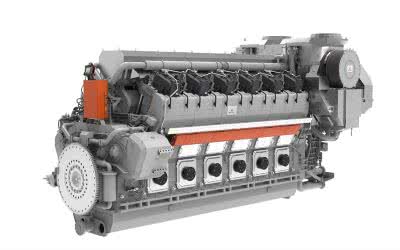
engine

/ˈen.dʒɪn/

(noun) motore, macchina, locomotiva

Esempio:

The car's engine started with a roar.
Il motore dell'auto si è avviato con un ruggito.

engineer

/ˌen.dʒɪˈnɪr/

(noun) ingegnere;

(verb) progettare, costruire, orchestrare

Esempio:
My brother is a software engineer.
Mio fratello è un ingegnere del software.

enormous

/əˈnɔːr.məs/

(adjective) enorme, gigantesco, colossale

Esempio:

The company made an enormous profit this year.
L'azienda ha realizzato un profitto enorme quest'anno.

enter

/ˈen.t̬ɚ/

(verb) entrare, inserire, entrare in

Esempio:

He entered the room quietly.
Entrò nella stanza in silenzio.

environment

/ɪnˈvaɪ.rə.mənt/

(noun) ambiente, contesto, natura

Esempio:
The polar bear's natural environment is the Arctic.
L'ambiente naturale dell'orso polare è l'Artico.

equipment

/ɪˈkwɪp.mənt/

(noun) attrezzatura, equipaggiamento

Esempio:

The laboratory is equipped with state-of-the-art equipment.
Il laboratorio è dotato di attrezzature all'avanguardia.

error

/ˈer.ɚ/

(noun) errore, sbaglio

Esempio:

There was an error in the calculation.
C'è stato un errore nel calcolo.

especially

/ɪˈspeʃ.əl.i/

(adverb) specialmente, soprattutto, appositamente

Esempio:
I love all fruits, but especially mangoes.
Amo tutti i frutti, ma soprattutto i manghi.

essay

/ˈes.eɪ/

(noun) saggio, tema;

(verb) tentare, provare

Esempio:

She wrote an essay on the history of art.
Ha scritto un saggio sulla storia dell'arte.

everyday

/ˈev.ri.deɪ/

(adjective) quotidiano, ordinario

Esempio:

This is my everyday jacket, I wear it all the time.
Questa è la mia giacca quotidiana, la indosso sempre.

everywhere

/ˈev.ri.wer/

(adverb) ovunque, dappertutto

Esempio:

I looked for my keys everywhere.
Ho cercato le mie chiavi ovunque.

evidence

/ˈev.ə.dəns/

(noun) prova, evidenza;

(verb) evidenziare, dimostrare, indicare

Esempio:

There is no scientific evidence to support his claim.
Non ci sono prove scientifiche a sostegno della sua affermazione.

exact

/ɪɡˈzækt/

(adjective) esatto, preciso, accurato;

(verb) esigere, riscuotere, imporre

Esempio:

The exact time of the meeting is 3:00 PM.
L'ora esatta della riunione è le 15:00.

exactly

/ɪɡˈzækt.li/

(adverb) esattamente, precisamente, esatto

Esempio:

The measurements must be exactly right.
Le misure devono essere esattamente giuste.

excellent

/ˈek.səl.ənt/

(adjective) eccellente, ottimo

Esempio:
The food at the restaurant was excellent.
Il cibo al ristorante era eccellente.

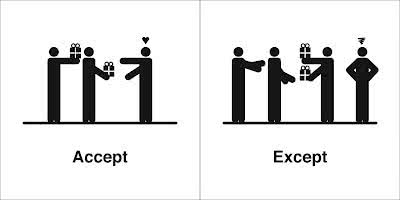
except

/ɪkˈsept/

(preposition) tranne, eccetto;

(conjunction) eccetto che, tranne che;

(verb) escludere, eccettuare

Esempio:

Everyone went to the party except John.
Tutti sono andati alla festa tranne John.

exist

/ɪɡˈzɪst/

(verb) esistere, esserci, sopravvivere

Esempio:

Does life exist on other planets?
La vita esiste su altri pianeti?

expect

/ɪkˈspekt/

(verb) aspettarsi, prevedere, esigere

Esempio:

I expect him to arrive any minute now.
Mi aspetto che arrivi da un momento all'altro.

experience

/ɪkˈspɪr.i.əns/

(noun) esperienza, evento;

(verb) sperimentare, provare

Esempio:

He has a lot of experience in teaching.
Ha molta esperienza nell'insegnamento.

experiment

/ɪkˈsper.ə.mənt/

(noun) esperimento, tentativo;

(verb) sperimentare

Esempio:

The scientists conducted an experiment to test their new theory.
Gli scienziati hanno condotto un esperimento per testare la loro nuova teoria.

expert

/ˈek.spɝːt/

(noun) esperto, specialista;

(adjective) esperto, competente

Esempio:

She is an expert in ancient history.
È un'esperta di storia antica.

explanation

/ˌek.spləˈneɪ.ʃən/

(noun) spiegazione, chiarimento

Esempio:

Can you give me an explanation for your absence?
Puoi darmi una spiegazione per la tua assenza?

express

/ɪkˈspres/

(verb) esprimere, manifestare, spedire;

(adjective) espresso, rapido, esplicito;

(noun) espresso, treno espresso, autobus espresso;

(adverb) espresso, rapidamente

Esempio:

She wanted to express her gratitude.
Voleva esprimere la sua gratitudine.

expression

/ɪkˈspreʃ.ən/

(noun) espressione, manifestazione, locuzione

Esempio:

Art is a form of self-expression.
L'arte è una forma di auto-espressione.

extreme

/ɪkˈstriːm/

(adjective) estremo, massimo, punto massimo;

(noun) estremo, massimo

Esempio:

The weather conditions were extreme.
Le condizioni meteorologiche erano estreme.

extremely

/ɪkˈstriːm.li/

(adverb) estremamente, molto

Esempio:

She was extremely happy with the results.
Era estremamente felice dei risultati.
Impara questo insieme di vocabolario su Lingoland