Avatar of Vocabulary Set A1 - Lettera E

Insieme di vocabolario A1 - Lettera E in Oxford 3000 - A1: Lista completa e dettagliata

L'insieme di vocabolario 'A1 - Lettera E' in 'Oxford 3000 - A1' è selezionato con cura da fonti di testi standard internazionali, aiutandoti a padroneggiare il vocabolario in breve tempo. Compilazione completa di definizioni, esempi illustrativi e pronuncia standard...

Impara questo insieme di vocabolario su Lingoland

Impara ora

each

/iːtʃ/

(determiner) ogni, ciascuno;

(pronoun) ciascuno;

(adverb) ciascuno

Esempio:
Each student received a certificate.
Ogni studente ha ricevuto un certificato.

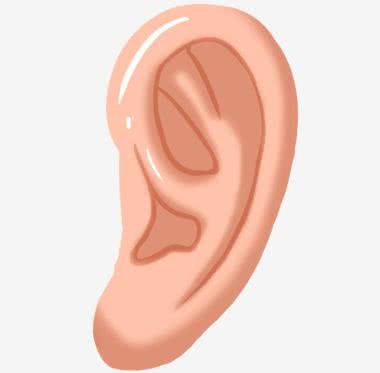
ear

/ɪr/

(noun) orecchio, spiga

Esempio:

She whispered something in his ear.
Gli sussurrò qualcosa nell'orecchio.

early

/ˈɝː.li/

(adjective) presto, in anticipo, iniziale;

(adverb) presto, in anticipo, all'inizio

Esempio:

She arrived early for the meeting.
È arrivata in anticipo per la riunione.

east

/iːst/

(noun) est, parte orientale;

(adjective) orientale;

(adverb) verso est

Esempio:

The sun rises in the east.
Il sole sorge a est.

easy

/ˈiː.zi/

(adjective) facile, semplice, a proprio agio;

(adverb) facilmente, con calma;

(exclamation) calma, con calma

Esempio:

The test was surprisingly easy.
Il test è stato sorprendentemente facile.

eat

/iːt/

(verb) mangiare, consumare, fare un pasto

Esempio:

I like to eat breakfast early.
Mi piace mangiare la colazione presto.

egg

/eɡ/

(noun) uovo;

(verb) incitare, spingere

Esempio:

The bird laid an egg in the nest.
L'uccello ha deposto un uovo nel nido.

eight

/eɪt/

(number) otto, 8

Esempio:

There are eight planets in our solar system.
Ci sono otto pianeti nel nostro sistema solare.

eighteen

/ˌeɪˈtiːn/

(number) diciotto, 18

Esempio:

She will turn eighteen next month.
Compirà diciotto anni il mese prossimo.

eighty

/ˈeɪ.t̬i/

(number) ottanta

Esempio:

She is eighty years old.
Ha ottanta anni.

elephant

/ˈel.ə.fənt/

(noun) elefante

Esempio:

The elephant sprayed water over itself with its trunk.
L'elefante si è spruzzato acqua addosso con la proboscide.

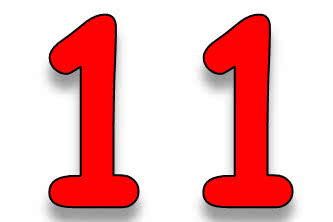
eleven

/əˈlev.ən/

(number) undici

Esempio:

There are eleven players on a soccer team.
Ci sono undici giocatori in una squadra di calcio.

else

/els/

(adverb) altro, altrimenti, diverso

Esempio:

What else do you need?
Cos'altro ti serve?

email

/ˈiː.meɪl/

(noun) email, posta elettronica;

(verb) inviare via email, mandare una mail

Esempio:

I sent her an email with the details.
Le ho inviato un'email con i dettagli.

end

/end/

(noun) fine, termine, estremità;

(verb) finire, terminare, porre fine a

Esempio:

We reached the end of the road.
Abbiamo raggiunto la fine della strada.

enjoy

/ɪnˈdʒɔɪ/

(verb) godere, piacere, godere di

Esempio:

I really enjoy spending time with my family.
Mi piace molto passare del tempo con la mia famiglia.

enough

/əˈnʌf/

(determiner) abbastanza, sufficiente;

(adverb) abbastanza, sufficientemente;

(pronoun) abbastanza, il sufficiente

Esempio:

Do we have enough food for everyone?
Abbiamo cibo a sufficienza per tutti?

euro

/ˈjʊr.oʊ/

(noun) euro

Esempio:

The price of the book is 25 euros.
Il prezzo del libro è di 25 euro.

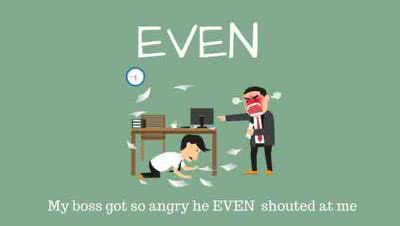
even

/ˈiː.vən/

(adjective) uniforme, liscio, pari;

(adverb) anche, perfino;

(verb) livellare, pareggiare

Esempio:

The road surface was perfectly even.
La superficie stradale era perfettamente uniforme.

evening

/ˈiːv.nɪŋ/

(noun) sera

Esempio:

We had dinner together last evening.
Abbiamo cenato insieme ieri sera.

event

/ɪˈvent/

(noun) evento, manifestazione, fatto

Esempio:

The wedding was a beautiful event.
Il matrimonio è stato un bellissimo evento.

ever

/ˈev.ɚ/

(adverb) mai, sempre, pure

Esempio:

Have you ever been to Paris?
Sei mai stato a Parigi?

every

/ˈev.ri/

(determiner) ogni

Esempio:

Every student must submit their assignment by Friday.
Ogni studente deve consegnare il proprio compito entro venerdì.

everybody

/ˈev.riˌbɑː.di/

(pronoun) tutti

Esempio:

Everybody loves a good story.
Tutti amano una bella storia.

everyone

/ˈev.ri.wʌn/

(pronoun) tutti, ognuno

Esempio:

Everyone enjoyed the party.
Tutti si sono divertiti alla festa.

everything

/ˈev.ri.θɪŋ/

(pronoun) tutto, la cosa più importante

Esempio:

She packed everything she owned into a single suitcase.
Ha messo tutto ciò che possedeva in una sola valigia.

exam

/ɪɡˈzæm/

(noun) esame, prova

Esempio:

I have a math exam tomorrow.
Ho un esame di matematica domani.

example

/ɪɡˈzæm.pəl/

(noun) esempio, modello

Esempio:

This is a good example of modern architecture.
Questo è un buon esempio di architettura moderna.

excited

/ɪkˈsaɪ.t̬ɪd/

(adjective) eccitato, entusiasta

Esempio:

The children were very excited about their trip to the zoo.
I bambini erano molto eccitati per il loro viaggio allo zoo.

exciting

/ɪkˈsaɪ.t̬ɪŋ/

(adjective) emozionante, entusiasmante

Esempio:

It was an exciting game that kept everyone on the edge of their seats.
È stata una partita emozionante che ha tenuto tutti con il fiato sospeso.

exercise

/ˈek.sɚ.saɪz/

(noun) esercizio, attività fisica, compito;

(verb) fare esercizio, allenarsi, esercitare

Esempio:

Regular exercise is important for a healthy lifestyle.
L'esercizio regolare è importante per uno stile di vita sano.

expensive

/ɪkˈspen.sɪv/

(adjective) costoso, caro

Esempio:

The new car was very expensive.
La nuova auto era molto costosa.

explain

/ɪkˈspleɪn/

(verb) spiegare, chiarire, giustificare

Esempio:

Can you explain this concept to me?
Puoi spiegarmi questo concetto?

extra

/ˈek.strə/

(adjective) extra, aggiuntivo;

(adverb) extra, particolarmente;

(noun) extra, aggiunta

Esempio:

Do you need any extra help with your homework?
Hai bisogno di aiuto extra con i compiti?

eye

/aɪ/

(noun) occhio, cruna, occhiello;

(verb) osservare, guardare

Esempio:

She has beautiful blue eyes.
Ha bellissimi occhi blu.
Impara questo insieme di vocabolario su Lingoland