
Insieme di vocabolario Top 1 - 25 Adjectives in I 500 Aggettivi Inglesi più Comuni: Lista completa e dettagliata
L'insieme di vocabolario 'Top 1 - 25 Adjectives' in 'I 500 Aggettivi Inglesi più Comuni' è selezionato con cura da fonti di testi standard internazionali, aiutandoti a padroneggiare il vocabolario in breve tempo. Compilazione completa di definizioni, esempi illustrativi e pronuncia standard...
Impara questo insieme di vocabolario su Lingoland
Impara ora
(adjective) buono, bravo, piacevole;
(adverb) bene;
(noun) il bene;
(exclamation) bene
Esempio:

(adjective) altro, altra;
(pronoun) altro, altra
Esempio:
Do you have any other questions?

(adjective) piccolo, poco, giovane;
(determiner) poco, un po';
(adverb) un po', poco
Esempio:

(adjective) nuovo, inedito;
(adverb) fresco, recentemente
Esempio:

(adjective) grande, vasto, eccellente;
(adverb) alla grande, eccellentemente
Esempio:

(adjective) diverso, differente, separato
Esempio:

(adjective) divino, squisito;
(verb) divinare, intuire
Esempio:

(adjective) grande, vasto, importante;
(adverb) in grande, con arroganza
Esempio:

(adjective) giusto, corretto, destro;
(adverb) a destra, subito, direttamente;
(noun) diritto, diritti, destra;
(verb) raddrizzare, rimettere a posto;
(interjection) ok, vero
Esempio:
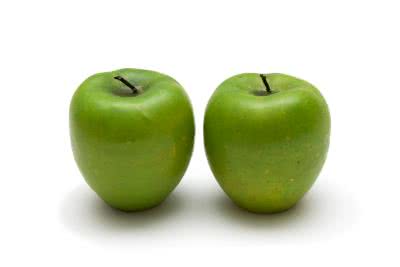
(adjective) stesso, identico, lo stesso;
(pronoun) lo stesso, la stessa cosa;
(adverb) allo stesso modo, similmente
Esempio:

(adjective) prossimo, successivo, accanto a;
(adverb) poi, successivamente
Esempio:

(adjective) ultimo, ultima, più recente;
(adverb) ultima volta, recentemente;
(verb) durare, resistere, perdurare
Esempio:

(adjective) proprio;
(verb) possedere, avere, ammettere;
(adverb) da solo, autonomamente
Esempio:

(adjective) sicuro, certo, convinto;
(adverb) sicuramente, davvero;
(exclamation) certo, sì
Esempio:

(adjective) cattivo, brutto, spiacevole;
(adverb) male
Esempio:

(adjective) importante, essenziale, cruciale
Esempio:
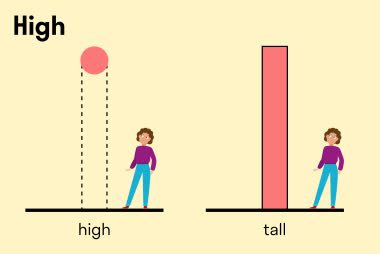
(adjective) alto, massimo, importante;
(adverb) in alto;
(noun) massimo, record
Esempio:

(adjective) capace, in grado, abile
Esempio:

(adjective) vecchio, anziano, amico
Esempio:

(adjective) piccolo, insignificante;
(adverb) finemente, a pezzetti
Esempio:

(adjective) intero, tutto, intatto;
(noun) tutto, insieme;
(adverb) completamente, interamente
Esempio:

(adverb) bene, molto;
(adjective) bene, in salute;
(interjection) beh, ecco;
(noun) pozzo;
(verb) salire, sgorgare
Esempio:
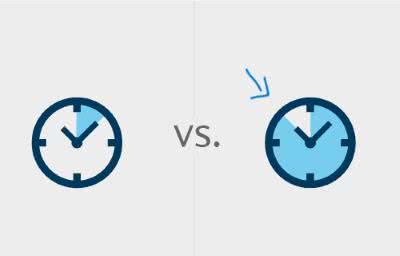
(adjective) lungo, lunga;
(adverb) a lungo;
(verb) desiderare ardentemente, anelare
Esempio:

(adjective) bello, piacevole, carino
Esempio:

(adjective) reale, vero, sincero;
(adverb) davvero, molto
Esempio: