
Conjunto de vocabulario Top 1 - 25 Adjectives en Los 500 Adjetivos Más Comunes en Inglés: Lista completa y detallada
El conjunto de vocabulario 'Top 1 - 25 Adjectives' en 'Los 500 Adjetivos Más Comunes en Inglés' está seleccionado cuidadosamente de fuentes de libros de texto estándar internacionales, ayudándote a dominar el vocabulario en poco tiempo. Incluye definiciones completas, ejemplos ilustrativos y pronunciación estándar...
Aprende este conjunto de vocabulario en Lingoland
Aprender ahora
(adjective) bueno, buena, agradable;
(adverb) bien;
(noun) el bien;
(exclamation) bien
Ejemplo:
(adjective) otro, otra;
(pronoun) otro, otra
Ejemplo:
Do you have any other questions?

(adjective) pequeño, poco, joven;
(determiner) poco, un poco;
(adverb) un poco, poco
Ejemplo:

(adjective) nuevo, inexperto;
(adverb) recientemente, fresca
Ejemplo:

(adjective) grande, enorme, gran;
(adverb) genial, excelentemente
Ejemplo:

(adjective) diferente, distinto, separado
Ejemplo:

(adjective) divino, delicioso;
(verb) adivinar, intuir
Ejemplo:

(adjective) grande, enorme, importante;
(adverb) mucho, con arrogancia
Ejemplo:

(adjective) correcto, justo, derecho;
(adverb) a la derecha, enseguida, directamente;
(noun) derecho, derechos, derecha;
(verb) enderezar, corregir;
(interjection) de acuerdo, verdad
Ejemplo:
(adjective) mismo, igual, lo mismo;
(pronoun) lo mismo;
(adverb) de la misma manera, similarmente
Ejemplo:

(adjective) próximo, siguiente, al lado de;
(adverb) luego, después
Ejemplo:

(adjective) último, última, más reciente;
(adverb) última vez, recientemente;
(verb) durar, perdurar, subsistir
Ejemplo:

(adjective) propio;
(verb) poseer, tener, admitir;
(adverb) solo, por sí mismo
Ejemplo:

(adjective) seguro, cierto, convencido;
(adverb) seguro, ciertamente;
(exclamation) claro, sí
Ejemplo:

(adjective) malo, desagradable, grave;
(adverb) mal
Ejemplo:

(adjective) importante, esencial, crucial
Ejemplo:
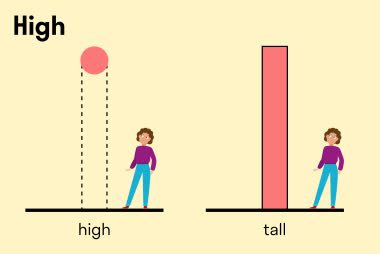
(adjective) alto, máximo, importante;
(adverb) alto;
(noun) máximo, récord
Ejemplo:

(adjective) capaz, habilidoso, hábil
Ejemplo:

(adjective) viejo, mayor, amigo
Ejemplo:

(adjective) pequeño, insignificante;
(adverb) pequeño, en trozos pequeños
Ejemplo:

(adjective) entero, todo, intacto;
(noun) todo, conjunto;
(adverb) completamente, totalmente
Ejemplo:

(adverb) bien, mucho;
(adjective) bien, sano;
(interjection) bueno;
(noun) pozo;
(verb) acumularse, brotar
Ejemplo:
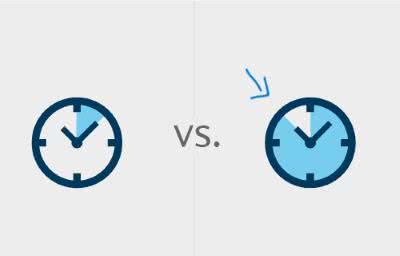
(adjective) largo, duradero;
(adverb) mucho tiempo;
(verb) anhelar, desear
Ejemplo:

(adjective) agradable, bonito, simpático
Ejemplo:

(adjective) real, verdadero, auténtico;
(adverb) realmente, muy
Ejemplo: