
Avatar of Vocabulary Set B2 - Non confondere i phrasal verb!

Insieme di vocabolario B2 - Non confondere i phrasal verb! in Livello B2: Lista completa e dettagliata

L'insieme di vocabolario 'B2 - Non confondere i phrasal verb!' in 'Livello B2' è selezionato con cura da fonti di testi standard internazionali, aiutandoti a padroneggiare il vocabolario in breve tempo. Compilazione completa di definizioni, esempi illustrativi e pronuncia standard...

Impara questo insieme di vocabolario su Lingoland

Impara ora

ask for

/æsk fɔːr/

(phrasal verb) chiedere, chiedere di

Esempio:

I'm going to ask for a raise.
Chiederò un aumento.

back down

/bæk daʊn/

(phrasal verb) fare marcia indietro, cedere

Esempio:

He refused to back down on his decision.
Si è rifiutato di fare marcia indietro sulla sua decisione.

believe in

/bɪˈliːv ɪn/

(phrasal verb) credere in, avere fiducia in

Esempio:

Do you believe in ghosts?
Credi nei fantasmi?

bring on

/brɪŋ ɑːn/

(phrasal verb) causare, provocare, scatenare

Esempio:

The stress of the job brought on a severe headache.
Lo stress del lavoro ha causato un forte mal di testa.

call off

/kɔːl ˈɔːf/

(phrasal verb) annullare, revocare, richiamare

Esempio:

They had to call off the outdoor concert due to heavy rain.
Hanno dovuto annullare il concerto all'aperto a causa della pioggia battente.

catch up

/kætʃ ʌp/

(phrasal verb) recuperare, raggiungere, aggiornarsi

Esempio:

After being sick, I need to catch up on my schoolwork.
Dopo essere stato malato, devo recuperare il mio lavoro scolastico.

cheer up

/tʃɪr ˈʌp/

(phrasal verb) rallegrare, tirare su il morale

Esempio:

Cheer up! Things will get better.
Su col morale! Le cose andranno meglio.

clean up

/kliːn ˈʌp/

(phrasal verb) pulire, mettere in ordine, fare un sacco di soldi

Esempio:
We need to clean up this mess before mom gets home.
Dobbiamo pulire questo disordine prima che la mamma torni a casa.

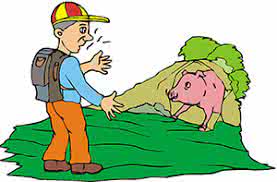
come across

/kʌm əˈkrɔs/

(phrasal verb) imbattersi in, trovare, apparire

Esempio:

I came across an old friend at the market today.
Ho incontrato un vecchio amico al mercato oggi.

come up

/kʌm ʌp/

(phrasal verb) venire fuori, accadere, salire

Esempio:

The issue of funding will come up at the next meeting.
La questione dei finanziamenti verrà fuori alla prossima riunione.

deal with

/diːl wɪð/

(phrasal verb) affrontare, gestire, trattare con

Esempio:

We need to deal with this issue immediately.
Dobbiamo affrontare questo problema immediatamente.

drop by

/drɑp baɪ/

(phrasal verb) passare, fare un salto

Esempio:

Feel free to drop by anytime you're in the neighborhood.
Sentiti libero di passare quando sei in zona.

eat out

/iːt aʊt/

(phrasal verb) mangiare fuori, andare al ristorante

Esempio:

Let's eat out tonight, I don't feel like cooking.
Andiamo a mangiare fuori stasera, non ho voglia di cucinare.

end up

/end ʌp/

(phrasal verb) finire per, trovarsi, finire per fare

Esempio:

We ended up staying at a cheap motel.
Siamo finiti a stare in un motel economico.

fall apart

/fɔːl əˈpɑːrt/

(phrasal verb) cadere a pezzi, disfarsi, crollare

Esempio:

The old book started to fall apart as I turned the pages.
Il vecchio libro ha iniziato a cadere a pezzi mentre giravo le pagine.

figure out

/ˈfɪɡ.jər aʊt/

(phrasal verb) capire, risolvere, trovare

Esempio:

I need to figure out how to fix this computer.
Devo capire come riparare questo computer.

fill in

/fɪl ɪn/

(phrasal verb) compilare, riempire, aggiornare

Esempio:

Please fill in your name and address on the application form.
Si prega di compilare il proprio nome e indirizzo sul modulo di domanda.

get along

/ɡet əˈlɔŋ/

(phrasal verb) andare d'accordo, capirsi, cavarsela

Esempio:

I really get along with my new colleagues.
Mi vado davvero d'accordo con i miei nuovi colleghi.

give away

/ɡɪv əˈweɪ/

(phrasal verb) rivelare, svelare, regalare

Esempio:

His nervous laughter gave away his true feelings.
La sua risata nervosa rivelò i suoi veri sentimenti.

go over

/ɡoʊ ˈoʊvər/

(phrasal verb) rivedere, esaminare, essere accolto

Esempio:
Let's go over the details one more time.
Rivediamo i dettagli ancora una volta.

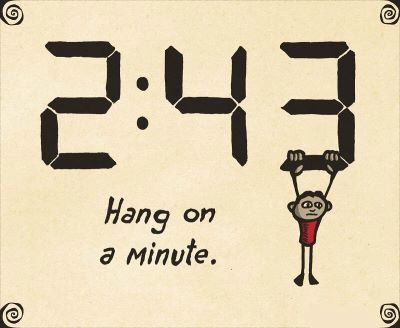
hang on

/hæŋ ɑːn/

(phrasal verb) aspettare, resistere, aggrapparsi

Esempio:

Can you hang on a minute? I'll be right with you.
Puoi aspettare un minuto? Sarò subito da te.

hang out

/hæŋ aʊt/

(phrasal verb) passare il tempo, uscire, stendere

Esempio:
We often hang out at the coffee shop on weekends.
Spesso passiamo il tempo al bar nei fine settimana.

leave out

/liːv aʊt/

(phrasal verb) omettere, escludere, lasciare fuori

Esempio:

Please don't leave out any important details when you tell the story.
Per favore, non omettere alcun dettaglio importante quando racconti la storia.

make out

/meɪk aʊt/

(phrasal verb) distinguere, capire, baciarsi

Esempio:

I could just make out a figure in the distance.
Riuscivo a malapena a distinguere una figura in lontananza.

pass away

/pæs əˈweɪ/

(phrasal verb) morire, scomparire

Esempio:
His grandmother passed away peacefully in her sleep.
Sua nonna è morta serenamente nel sonno.

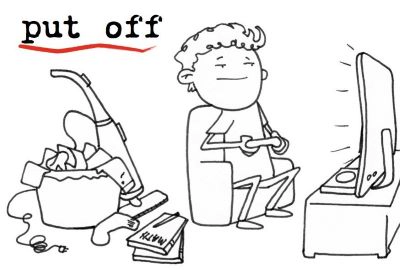
put off

/pʊt ɔf/

(phrasal verb) rimandare, posticipare, scoraggiare

Esempio:

Don't put off until tomorrow what you can do today.
Non rimandare a domani quello che puoi fare oggi.

rule out

/ruːl aʊt/

(phrasal verb) escludere, eliminare

Esempio:
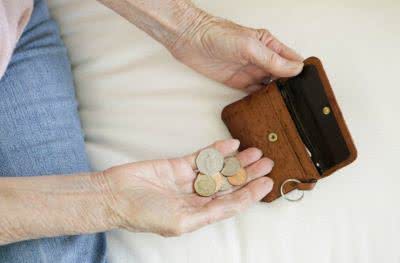
The police have not yet ruled out foul play.
La polizia non ha ancora escluso il dolo.

run out of

/rʌn aʊt ʌv/

(phrasal verb) finire, esaurire, non avere più

Esempio:

We've run out of milk, so I need to go to the store.
Abbiamo finito il latte, quindi devo andare al negozio.

see to

/siː tuː/

(phrasal verb) occuparsi di, provvedere a, assicurarsi che

Esempio:

I need to see to the laundry before I leave.
Devo occuparmi della biancheria prima di partire.

show up

/ʃoʊ ʌp/

(phrasal verb) presentarsi, apparire, sbaragliare

Esempio:

He didn't show up for the meeting.
Non si è presentato all'incontro.

sort out

/sɔːrt aʊt/

(phrasal verb) risolvere, sistemare, ordinare

Esempio:

We need to sort out this mess before the boss arrives.
Dobbiamo risolvere questo pasticcio prima che arrivi il capo.

throw away

/θroʊ əˈweɪ/

(phrasal verb) buttare via, gettare, sprecare

Esempio:
Don't throw away those old clothes; I can donate them.
Non buttare via quei vecchi vestiti; posso donarli.

turn down

/tɜːrn daʊn/

(phrasal verb) rifiutare, declinare, abbassare

Esempio:

She had to turn down the job offer because it was too far away.
Ha dovuto rifiutare l'offerta di lavoro perché era troppo lontana.

wipe out

/waɪp aʊt/

(phrasal verb) spazzare via, distruggere, annientare

Esempio:

The flood threatened to wipe out the entire village.
L'alluvione minacciava di spazzare via l'intero villaggio.

put in

/pʊt ɪn/

(phrasal verb) installare, mettere, impegnarsi

Esempio:

Can you help me put in this new light fixture?
Puoi aiutarmi a installare questa nuova lampada?

pile up

/paɪl ʌp/

(phrasal verb) accumularsi, ammassarsi, tamponare

Esempio:

The dirty dishes started to pile up in the sink.
I piatti sporchi hanno iniziato ad accumularsi nel lavello.

put out

/pʊt aʊt/

(phrasal verb) spegnere, infastidire, disturbare

Esempio:

The firefighters quickly put out the blaze.
I pompieri hanno rapidamente spento l'incendio.

break away

/breɪk əˈweɪ/

(phrasal verb) liberarsi, sfuggire, separarsi

Esempio:

The suspect managed to break away from the police officer.
Il sospettato è riuscito a liberarsi dall'agente di polizia.

root for

/ruːt fɔːr/

(phrasal verb) fare il tifo per, sostenere

Esempio:

We're going to the game to root for our favorite team.
Andiamo alla partita per fare il tifo per la nostra squadra del cuore.

come away with

/kʌm əˈweɪ wɪð/

(phrasal verb) andare via con, ottenere

Esempio:

She came away with a sense of accomplishment after finishing the marathon.
È andata via con un senso di realizzazione dopo aver finito la maratona.
Impara questo insieme di vocabolario su Lingoland