Avatar of Vocabulary Set Sciences médicales

Ensemble de vocabulaire Sciences médicales dans Vocabulaire scientifique du SAT : Liste complète et détaillée

L'ensemble de vocabulaire 'Sciences médicales' dans 'Vocabulaire scientifique du SAT' est soigneusement sélectionné à partir de sources de manuels internationaux standard, vous aidant à maîtriser le vocabulaire en peu de temps. Compilation complète de définitions, exemples illustratifs et prononciation standard...

Apprendre cet ensemble de vocabulaire sur Lingoland

Apprendre maintenant
pharmacologist

/ˌfɑːr.məˈkɑː.lə.dʒɪst/

(noun) pharmacologue

Exemple:

The pharmacologist conducted experiments to understand how the new drug interacts with the body.
Le pharmacologue a mené des expériences pour comprendre comment le nouveau médicament interagit avec le corps.

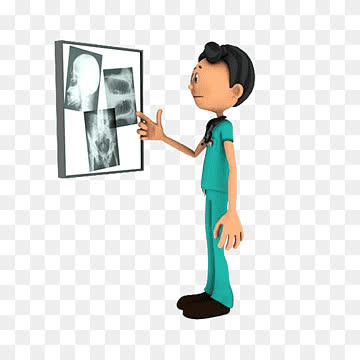
radiologist

/ˌreɪ.diˈɑː.lə.dʒɪst/

(noun) radiologue

Exemple:

The radiologist reviewed the MRI scans to check for any abnormalities.
Le radiologue a examiné les IRM pour vérifier toute anomalie.

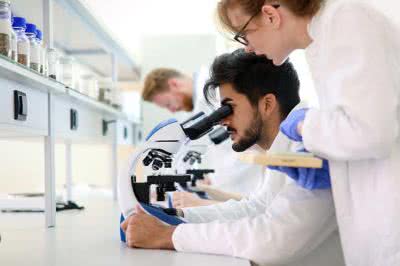
pathologist

/pəˈθɑː.lə.dʒɪst/

(noun) pathologiste, anatomopathologiste

Exemple:

The pathologist examined the tissue sample under the microscope.
Le pathologiste a examiné l'échantillon de tissu au microscope.

pediatrician

/ˌpiː.di.əˈtrɪʃ.ən/

(noun) pédiatre

Exemple:

We took our son to see the pediatrician for his annual check-up.
Nous avons emmené notre fils chez le pédiatre pour son bilan annuel.

psychologist

/saɪˈkɑː.lə.dʒɪst/

(noun) psychologue

Exemple:

She decided to see a psychologist to help with her anxiety.
Elle a décidé de consulter un psychologue pour l'aider avec son anxiété.

veterinarian

/ˌvet.ər.ɪˈner.i.ən/

(noun) vétérinaire

Exemple:

We took our dog to the veterinarian for his annual check-up.
Nous avons emmené notre chien chez le vétérinaire pour son bilan annuel.

dysfunction

/dɪsˈfʌŋk.ʃən/

(noun) dysfonctionnement, trouble fonctionnel, désordre

Exemple:

The doctor diagnosed him with liver dysfunction.
Le médecin lui a diagnostiqué un dysfonctionnement hépatique.

diagnose

/ˌdaɪ.əɡˈnoʊs/

(verb) diagnostiquer

Exemple:

The doctor was able to diagnose her illness quickly.
Le médecin a pu diagnostiquer sa maladie rapidement.

administer

/ədˈmɪn.ə.stɚ/

(verb) administrer, gérer, donner

Exemple:

The school is administered by a board of governors.
L'école est administrée par un conseil d'administration.

therapeutic

/ˌθer.əˈpjuː.t̬ɪk/

(adjective) thérapeutique, curatif, bénéfique

Exemple:

The doctor prescribed a therapeutic dose of the medication.
Le médecin a prescrit une dose thérapeutique du médicament.

restorative

/rɪˈstɔːr.ə.t̬ɪv/

(adjective) réparateur, restaurateur;

(noun) restaurateur, tonique

Exemple:
A good night's sleep can be truly restorative.
Une bonne nuit de sommeil peut être vraiment réparatrice.

invasive

/ɪnˈveɪ.sɪv/

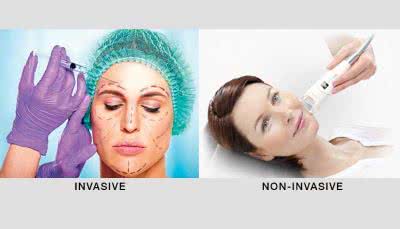
(adjective) invasif, envahissant

Exemple:

Invasive species can cause significant damage to local ecosystems.
Les espèces invasives peuvent causer des dommages importants aux écosystèmes locaux.

preventative

/prɪˈven.t̬ə.t̬ɪv/

(adjective) préventif;

(noun) préventif, moyen de prévention

Exemple:
Regular exercise is a good preventative measure against heart disease.
L'exercice régulier est une bonne mesure préventive contre les maladies cardiaques.

inoculation

/ɪˌnɑː.kjəˈleɪ.ʃən/

(noun) inoculation, vaccination, ensemencement

Exemple:
Mass inoculation campaigns have significantly reduced the incidence of the disease.
Les campagnes de vaccination de masse ont considérablement réduit l'incidence de la maladie.

side effect

/ˈsaɪd ɪˌfekt/

(noun) effet secondaire, conséquence inattendue

Exemple:
Drowsiness is a common side effect of this medication.
La somnolence est un effet secondaire courant de ce médicament.

immunodeficiency

/ˌɪm.jə.noʊ.dɪˈfɪʃ.ən.si/

(noun) immunodéficience, déficit immunitaire

Exemple:
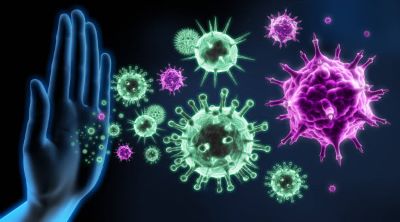
Patients with severe combined immunodeficiency are highly susceptible to infections.
Les patients atteints d'immunodéficience combinée sévère sont très sensibles aux infections.

immune response

/ɪˈmjuːn rɪˈspɑːns/

(noun) réponse immunitaire

Exemple:

Vaccines are designed to trigger an immune response without causing the disease.
Les vaccins sont conçus pour déclencher une réponse immunitaire sans provoquer la maladie.

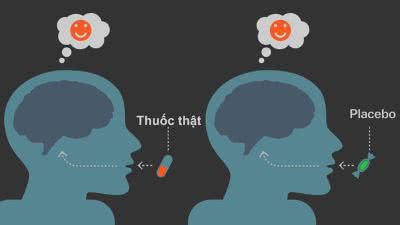
placebo

/pləˈsiː.boʊ/

(noun) placebo

Exemple:

The patient showed improvement even though he was given a placebo.
Le patient a montré une amélioration même s'il a reçu un placebo.

infective

/ɪnˈfek.tɪv/

(adjective) infectieux

Exemple:

The doctor is studying the infective properties of the new virus.
Le médecin étudie les propriétés infectieuses du nouveau virus.

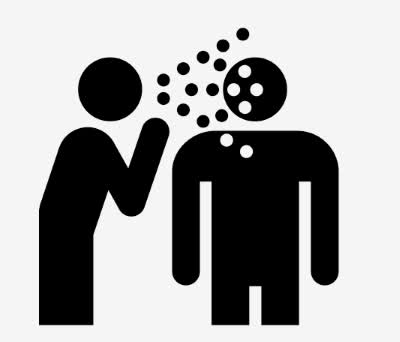
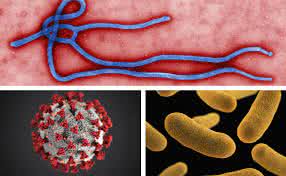
pathogen

/ˈpæθ.ə.dʒən/

(noun) pathogène, agent pathogène

Exemple:
The scientists identified a new pathogen responsible for the outbreak.
Les scientifiques ont identifié un nouveau pathogène responsable de l'épidémie.

homeostasis

/ˌhoʊ.mi.oʊˈsteɪ.sɪs/

(noun) homéostasie

Exemple:

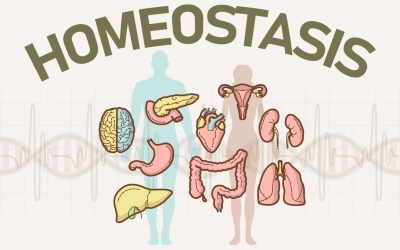
The body maintains homeostasis through various regulatory mechanisms.
Le corps maintient l'homéostasie grâce à divers mécanismes de régulation.

psychiatric

/ˌsaɪ.kiˈæt.rɪk/

(adjective) psychiatrique

Exemple:

She works as a psychiatric nurse at the hospital.
Elle travaille comme infirmière psychiatrique à l'hôpital.

prenatal

/ˌpriːˈneɪ.t̬əl/

(adjective) prénatal, avant la naissance

Exemple:
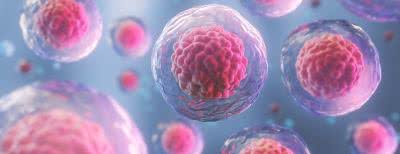
She received excellent prenatal care throughout her pregnancy.
Elle a reçu d'excellents soins prénataux tout au long de sa grossesse.

embryo

/ˈem.bri.oʊ/

(noun) embryon, stade rudimentaire

Exemple:
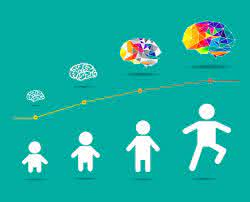
The doctor explained the development of the embryo.
Le médecin a expliqué le développement de l'embryon.

developmental

/dɪˌvel.əpˈmen.t̬əl/

(adjective) développemental, évolutif

Exemple:
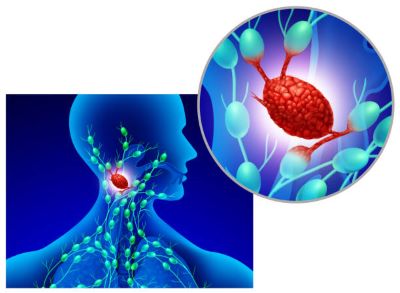
The child is going through a crucial developmental stage.
L'enfant traverse une étape développementale cruciale.

lymphoid

/ˈlɪm.fɔɪd/

(adjective) lymphoïde

Exemple:

The tonsils are a type of lymphoid tissue.
Les amygdales sont un type de tissu lymphoïde.

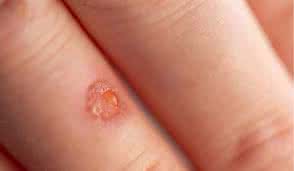
lesion

/ˈliː.ʒən/

(noun) lésion, blessure, atteinte

Exemple:
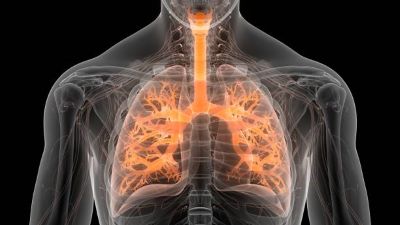
The doctor identified a small lesion on the patient's skin.
Le médecin a identifié une petite lésion sur la peau du patient.

fibrosis

/faɪˈbroʊ.sɪs/

(noun) fibrose

Exemple:

Pulmonary fibrosis can severely impair lung function.
La fibrose pulmonaire peut gravement altérer la fonction pulmonaire.

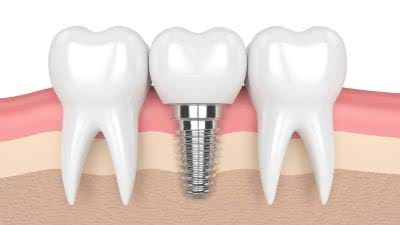
implant

/ɪmˈplænt/

(verb) implanter, greffer, inculquer;

(noun) implant, greffe

Exemple:

The surgeon will implant a pacemaker in the patient's chest.
Le chirurgien va implanter un stimulateur cardiaque dans la poitrine du patient.

autopsy

/ˈɑː.tɑːp.si/

(noun) autopsie, examen post-mortem;

(verb) autopsier, faire l'autopsie de

Exemple:

The medical examiner performed an autopsy to determine the cause of death.
Le médecin légiste a pratiqué une autopsie pour déterminer la cause du décès.

pharmaceutical

/ˌfɑːr.məˈsuː.t̬ɪ.kəl/

(adjective) pharmaceutique;

(noun) produit pharmaceutique, médicament

Exemple:
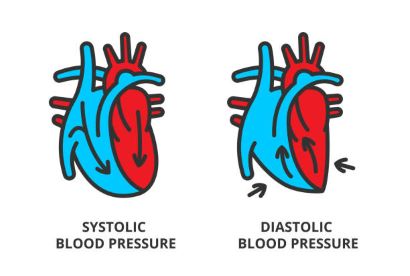
The company is a leader in pharmaceutical research.
L'entreprise est un leader dans la recherche pharmaceutique.

systolic

/sɪsˈtɑː.lɪk/

(adjective) systolique

Exemple:

A normal systolic blood pressure reading is typically below 120 mmHg.
Une lecture normale de la pression artérielle systolique est généralement inférieure à 120 mmHg.

antiseptic

/ˌæn.t̬iˈsep.tɪk/

(noun) antiseptique;

(adjective) antiseptique, aseptique, aseptisé

Exemple:

Clean the wound thoroughly with antiseptic.
Nettoyez soigneusement la plaie avec un antiseptique.

ascorbic acid

/əˌskɔːr.bɪk ˈæs.ɪd/

(noun) acide ascorbique

Exemple:

Citrus fruits are rich in ascorbic acid.
Les agrumes sont riches en acide ascorbique.

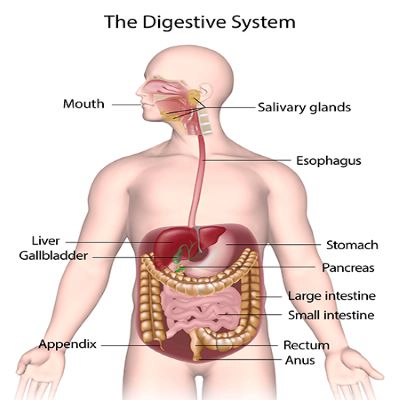
digestive system

/daɪˈdʒes.tɪv ˈsɪs.təm/

(noun) système digestif

Exemple:

The human digestive system is a complex network of organs.
Le système digestif humain est un réseau complexe d'organes.

respiratory

/ˈres.pə.rə.tɔːr.i/

(adjective) respiratoire

Exemple:

She suffered from a severe respiratory infection.
Elle a souffert d'une grave infection respiratoire.

probiotic

/ˌproʊ.baɪˈɑː.t̬ɪk/

(noun) probiotique;

(adjective) probiotique

Exemple:
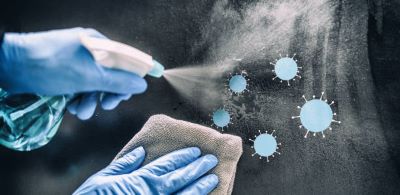
Many yogurts contain live probiotics that aid digestion.
De nombreux yaourts contiennent des probiotiques vivants qui facilitent la digestion.

sanitize

/ˈsæn.ə.taɪz/

(verb) désinfecter, assainir, édulcorer

Exemple:
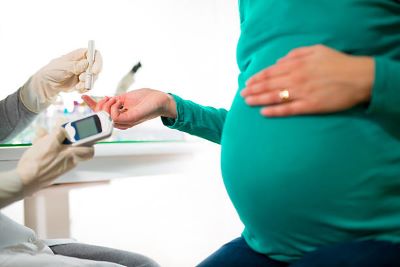
You should sanitize your hands before eating.
Tu devrais te désinfecter les mains avant de manger.

gestational

/dʒesˈteɪ.ʃən.əl/

(adjective) gestationnel

Exemple:

The doctor calculated the gestational age of the fetus.
Le médecin a calculé l'âge gestationnel du fœtus.

sputum

/ˈspjuː.t̬əm/

(noun) expectoration, crachat

Exemple:
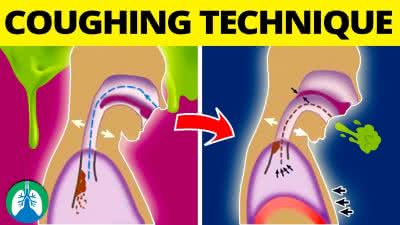
The doctor asked the patient to provide a sputum sample for testing.
Le médecin a demandé au patient de fournir un échantillon d'expectoration pour analyse.

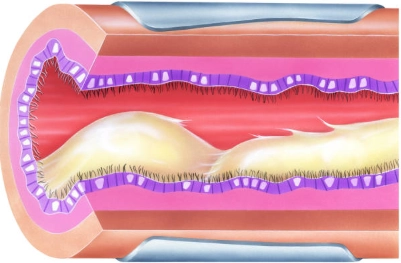
phlegm

/flem/

(noun) phlegme, crachat, calme

Exemple:
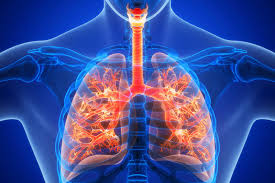
He coughed up some phlegm after a long night.
Il a craché du phlegme après une longue nuit.

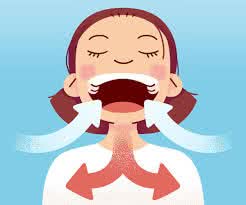
respiration

/ˌres.pəˈreɪ.ʃən/

(noun) respiration, respiration cellulaire

Exemple:

The doctor monitored the patient's respiration during the surgery.
Le médecin a surveillé la respiration du patient pendant l'opération.

tonic

/ˈtɑː.nɪk/

(noun) tonique, fortifiant, tonic;

(adjective) tonique, fortifiant, fondamental

Exemple:

After a long illness, the doctor prescribed a general tonic to help him recover.
Après une longue maladie, le médecin a prescrit un tonique général pour l'aider à récupérer.

menopause

/ˈmen.ə.pɑːz/

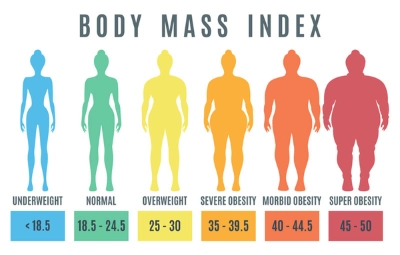
body mass index

/ˌbɑː.di ˈmæs ˌɪn.deks/

(noun) indice de masse corporelle, IMC

Exemple:
Doctors often use Body Mass Index (BMI) to assess a person's health risks.
Les médecins utilisent souvent l'indice de masse corporelle (IMC) pour évaluer les risques pour la santé d'une personne.

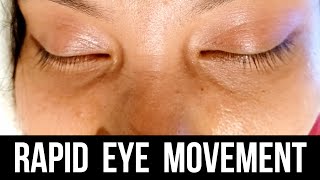
rapid eye movement

/ˌræp.ɪd ˈaɪ ˌmuːv.mənt/

(noun) mouvements oculaires rapides, MOR

Exemple:

Most dreaming occurs during rapid eye movement sleep.
La plupart des rêves se produisent pendant le sommeil à mouvements oculaires rapides.
Apprendre cet ensemble de vocabulaire sur Lingoland