
Avatar of Vocabulary Set 900 puntos

Conjunto de vocabulario 900 puntos en Día 21 - Competencia de empresas: Lista completa y detallada

El conjunto de vocabulario '900 puntos' en 'Día 21 - Competencia de empresas' está seleccionado cuidadosamente de fuentes de libros de texto estándar internacionales, ayudándote a dominar el vocabulario en poco tiempo. Incluye definiciones completas, ejemplos ilustrativos y pronunciación estándar...

Aprende este conjunto de vocabulario en Lingoland

Aprender ahora

make the first move

/meɪk ðə fɜrst muːv/

(idiom) dar el primer paso, tomar la iniciativa

Ejemplo:

Someone has to make the first move if we want to get this project started.
Alguien tiene que dar el primer paso si queremos que este proyecto comience.

take a turn for the better

/teɪk ə tɜːrn fɔːr ðə ˈbetər/

(idiom) mejorar, tomar un giro para mejor

Ejemplo:
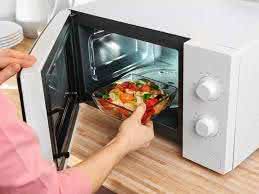
The patient's health finally took a turn for the better after the surgery.
La salud del paciente finalmente mejoró después de la cirugía.

warm up

/wɔːrm ˈʌp/

(phrasal verb) calentar, animarse, acostumbrarse

Ejemplo:

Athletes should always warm up before a game to prevent injuries.
Los atletas siempre deben calentar antes de un partido para prevenir lesiones.

be contingent upon

/bi kənˈtɪn.dʒənt əˈpɑːn/

(phrase) depender de, estar supeditado a

Ejemplo:

The outdoor concert will be contingent upon the weather.
El concierto al aire libre estará supeditado al clima.

established

/ɪˈstæb.lɪʃt/

(adjective) establecido, reconocido, fundado;

(verb) establecer, fundar, probar

Ejemplo:

The company is an established leader in the industry.
La empresa es un líder establecido en la industria.

favorable

/ˈfeɪ.vɚ.ə.bəl/

(adjective) favorable, positivo, ventajoso

Ejemplo:
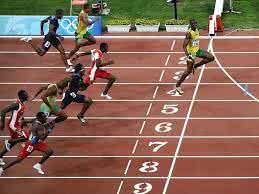
The critics gave the new movie a favorable review.
Los críticos dieron a la nueva película una crítica favorable.

front runner

/ˈfrʌnt ˌrʌn.ər/

(noun) favorito, candidato principal

Ejemplo:

The candidate is currently the front runner in the polls.
El candidato es actualmente el favorito en las encuestas.

intermittently

/ˌɪn.t̬ɚˈmɪt.ənt.li/

(adverb) intermitentemente, de forma intermitente

Ejemplo:

The rain fell intermittently throughout the day.
La lluvia cayó intermitentemente durante todo el día.

momentarily

/ˌmoʊ.mənˈter.əl.i/

(adverb) momentáneamente, por un momento, en cualquier momento

Ejemplo:

The lights flickered momentarily during the storm.
Las luces parpadearon momentáneamente durante la tormenta.

narrative

/ˈner.ə.t̬ɪv/

(noun) narrativa, relato, discurso;

(adjective) narrativo

Ejemplo:

The novel has a compelling narrative.
La novela tiene una narrativa convincente.

neutral

/ˈnuː.trəl/

(adjective) neutral, imparcial, neutro;

(noun) punto muerto, neutral

Ejemplo:

Switzerland remained neutral during both World Wars.
Suiza permaneció neutral durante ambas Guerras Mundiales.

retreat

/rɪˈtriːt/

(verb) retirarse, retroceder;

(noun) retirada, retiro

Ejemplo:

The army was forced to retreat after heavy losses.
El ejército se vio obligado a retirarse después de grandes pérdidas.

stance

/stæns/

(noun) postura, posición, opinión

Ejemplo:
He adopted a wide stance before hitting the ball.
Adoptó una postura amplia antes de golpear la pelota.

allegedly

/əˈledʒ.ɪd.li/

(adverb) supuestamente, presuntamente

Ejemplo:

He allegedly stole the car, but there's no concrete evidence.
Él supuestamente robó el coche, pero no hay pruebas concretas.

be oriented to

/bi ˈɔːriˌɛntɪd tu/

(phrase) estar orientado a, estar dirigido a

Ejemplo:
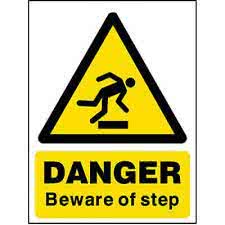
The new curriculum is oriented to the needs of modern students.
El nuevo plan de estudios está orientado a las necesidades de los estudiantes modernos.

beware

/bɪˈwer/

(verb) tener cuidado con, precaverse de

Ejemplo:

Beware of the dog!
¡Cuidado con el perro!

clout

/klaʊt/

(noun) influencia, poder, golpe;

(verb) golpear, atizar

Ejemplo:

The company has a lot of political clout in the region.
La empresa tiene mucha influencia política en la región.

craftsmanship

/ˈkræfts.mən.ʃɪp/

(noun) artesanía, maestría, pericia

Ejemplo:

The antique clock was a testament to exquisite craftsmanship.
El reloj antiguo era un testimonio de una exquisita artesanía.

detector

/dɪˈtek.tɚ/

(noun) detector

Ejemplo:

The smoke detector went off, alerting everyone to the fire.
El detector de humo se disparó, alertando a todos sobre el incendio.

distinction

/dɪˈstɪŋk.ʃən/

(noun) distinción, diferencia, honor

Ejemplo:
There is a clear distinction between right and wrong.
Hay una clara distinción entre el bien y el mal.

exemplify

/ɪɡˈzem.plə.faɪ/

(verb) ejemplificar, ilustrar, dar un ejemplo de

Ejemplo:

The city's architecture exemplifies the blend of old and new.
La arquitectura de la ciudad ejemplifica la mezcla de lo antiguo y lo nuevo.

exert pressure on

/ɪɡˈzɜːrt ˈpreʃ.ər ɒn/

(idiom) ejercer presión sobre

Ejemplo:

The government is trying to exert pressure on the company to lower its prices.
El gobierno está tratando de ejercer presión sobre la empresa para que baje sus precios.

interfere with

/ˌɪntərˈfɪr wɪθ/

(phrasal verb) interferir con, obstaculizar

Ejemplo:

The loud music began to interfere with his concentration.
La música alta empezó a interferir con su concentración.

keep on top of

/kiːp ɑːn tɑːp əv/

(idiom) mantenerse al tanto, estar al día

Ejemplo:

It's hard to keep on top of all the new emails every day.
Es difícil mantenerse al tanto de todos los correos electrónicos nuevos cada día.

latent

/ˈleɪ.tənt/

(adjective) latente, oculto, escondido

Ejemplo:

He has a latent talent for music that he hasn't explored yet.
Tiene un talento musical latente que aún no ha explorado.

liquidate

/ˈlɪk.wə.deɪt/

(verb) liquidar, disolver, convertir en efectivo

Ejemplo:

The company was forced to liquidate due to heavy debts.
La empresa se vio obligada a liquidar debido a las grandes deudas.

lucid

/ˈluː.sɪd/

(adjective) lúcido, claro, diáfano

Ejemplo:

The author provides a lucid explanation of the complex theory.
El autor ofrece una explicación lúcida de la compleja teoría.

makeshift

/ˈmeɪk.ʃɪft/

(adjective) provisional, improvisado;

(noun) sustituto temporal, remiendo

Ejemplo:
The refugees slept in makeshift tents made of plastic sheets.
Los refugiados durmieron en tiendas provisionales hechas de láminas de plástico.

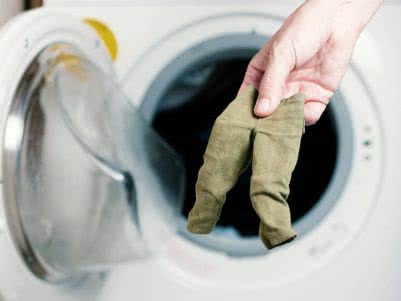
shrink

/ʃrɪŋk/

(verb) encoger, reducir, encogerse;

(noun) psiquiatra

Ejemplo:

The company's profits shrank by 10% last year.
Las ganancias de la empresa se redujeron un 10% el año pasado.

squeaky

/ˈskwiː.ki/

(adjective) chirriante, chillón

Ejemplo:

The old door opened with a squeaky sound.
La vieja puerta se abrió con un sonido chirriante.

subsidize

/ˈsʌb.sə.daɪz/

(verb) subsidiar, subvencionar

Ejemplo:

The government decided to subsidize public transportation to make it more affordable.
El gobierno decidió subsidiar el transporte público para hacerlo más asequible.

succumb to

/səˈkʌm tuː/

(phrasal verb) sucumbir a, ceder ante, morir de

Ejemplo:

I'm afraid I succumbed to temptation and had a second piece of cake.
Me temo que sucumbí a la tentación y me comí un segundo trozo de pastel.
Aprende este conjunto de vocabulario en Lingoland