Avatar of Vocabulary Set Top 376 - 400 Verbs

Conjunto de vocabulario Top 376 - 400 Verbs en Los 500 Verbos Más Comunes en Inglés: Lista completa y detallada

El conjunto de vocabulario 'Top 376 - 400 Verbs' en 'Los 500 Verbos Más Comunes en Inglés' está seleccionado cuidadosamente de fuentes de libros de texto estándar internacionales, ayudándote a dominar el vocabulario en poco tiempo. Incluye definiciones completas, ejemplos ilustrativos y pronunciación estándar...

Aprende este conjunto de vocabulario en Lingoland

Aprender ahora

promote

/prəˈmoʊt/

(verb) promover, fomentar, ascender

Ejemplo:

The organization works to promote peace and understanding.
La organización trabaja para promover la paz y el entendimiento.

deserve

/dɪˈzɝːv/

(verb) merecer

Ejemplo:

He deserves a medal for his bravery.
Él merece una medalla por su valentía.

oppose

/əˈpoʊz/

(verb) oponerse a, resistir, oponer

Ejemplo:

Many people oppose the new policy.
Muchas personas se oponen a la nueva política.

shape

/ʃeɪp/

(noun) forma, figura, estructura;

(verb) moldear, formar

Ejemplo:

The artist molded the clay into a beautiful shape.
El artista moldeó la arcilla en una hermosa forma.

relax

/rɪˈlæks/

(verb) relajar, descansar, flexibilizar

Ejemplo:

After a long day, I like to relax with a good book.
Después de un largo día, me gusta relajarme con un buen libro.

emerge

/ɪˈmɝːdʒ/

(verb) emerger, surgir, salir a la luz

Ejemplo:

The sun emerged from behind the clouds.
El sol emergió de detrás de las nubes.

flow

/floʊ/

(noun) flujo, corriente, fluidez;

(verb) fluir, correr, circular

Ejemplo:

The flow of water in the river increased after the rain.
El flujo de agua en el río aumentó después de la lluvia.

rest

/rest/

(noun) descanso, reposo, resto;

(verb) descansar, reposar, apoyar

Ejemplo:

I need to take a rest after a long day.
Necesito un descanso después de un largo día.

shout

/ʃaʊt/

(verb) gritar, chillar;

(noun) grito, chillido

Ejemplo:

She had to shout to be heard over the music.
Tuvo que gritar para ser escuchada por encima de la música.

defend

/dɪˈfend/

(verb) defender, proteger, abogar por

Ejemplo:

The soldiers bravely defended the city.
Los soldados defendieron valientemente la ciudad.

engage

/ɪnˈɡeɪdʒ/

(verb) enganchar, atraer, involucrar;

(adjective) ocupado, inmerso

Ejemplo:
The story was so captivating that it fully engaged my attention.
La historia era tan cautivadora que captó completamente mi atención.

yell

/jel/

(noun) grito, chillido;

(verb) gritar, chillar

Ejemplo:
He let out a yell of pain.
Soltó un grito de dolor.

knock

/nɑːk/

(noun) golpe, llamada, impacto;

(verb) tocar, golpear, chocar

Ejemplo:

She heard a knock at the door.
Ella escuchó un golpe en la puerta.

predict

/prɪˈdɪkt/

(verb) predecir, pronosticar

Ejemplo:
It's difficult to predict the outcome of the election.
Es difícil predecir el resultado de las elecciones.

mind

/maɪnd/

(noun) mente, intelecto, atención;

(verb) importar, desagradar, prestar atención a

Ejemplo:

She has a brilliant mind.
Ella tiene una mente brillante.

heal

/hiːl/

(verb) sanar, curar

Ejemplo:

The wound will heal quickly with proper care.
La herida sanará rápidamente con el cuidado adecuado.

extend

/ɪkˈstend/

(verb) extender, ampliar, ofrecer

Ejemplo:

We plan to extend the kitchen by two meters.
Planeamos ampliar la cocina dos metros.

track

/træk/

(noun) camino, huella, vía;

(verb) rastrear, seguir, monitorear

Ejemplo:

The old logging track was overgrown with weeds.
El antiguo camino forestal estaba cubierto de maleza.

indicate

/ˈɪn.də.keɪt/

(verb) indicar, mostrar, sugerir

Ejemplo:

Please indicate your preference by checking the box.
Por favor, indique su preferencia marcando la casilla.

mark

/mɑːrk/

(noun) marca, señal, calificación;

(verb) marcar, manchar, señalar

Ejemplo:

The teacher put a red mark on the incorrect answers.
El profesor puso una marca roja en las respuestas incorrectas.

split

/splɪt/

(verb) dividir, partir, separar;

(noun) división, separación, split;

(adjective) dividido, partido, abierto

Ejemplo:

The company decided to split into two separate entities.
La empresa decidió dividirse en dos entidades separadas.

wrap

/ræp/

(verb) envolver, cubrir, terminar;

(noun) chal, envoltura, wrap

Ejemplo:

She decided to wrap the gift in colorful paper.
Ella decidió envolver el regalo en papel de colores.

interact

/ˌɪn.t̬ɚˈækt/

(verb) interactuar, relacionarse

Ejemplo:
The two chemicals interact to form a new compound.
Los dos químicos interactúan para formar un nuevo compuesto.

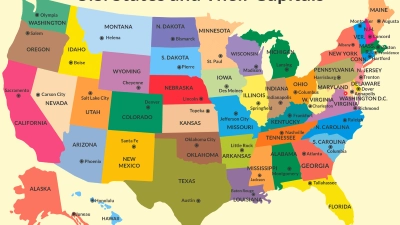
state

/steɪt/

(noun) estado, condición;

(verb) declarar, afirmar

Ejemplo:
The United States is a large country.
Los Estados Unidos son un país grande.

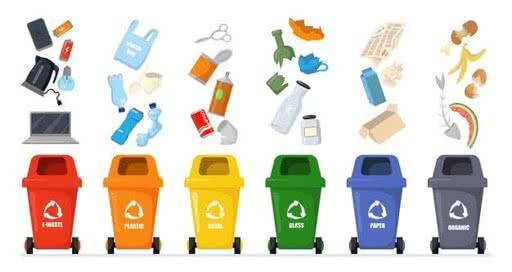
waste

/weɪst/

(noun) residuos, desperdicios, desperdicio;

(verb) desperdiciar, malgastar, consumirse;

(adjective) baldío, desierto

Ejemplo:

The factory produces a lot of chemical waste.
La fábrica produce muchos residuos químicos.
Aprende este conjunto de vocabulario en Lingoland