
词汇集 Top 376 - 400 Verbs(属于 500个最常见的英语动词):完整且详细的清单
词汇集「Top 376 - 400 Verbs」(属于「500个最常见的英语动词」)从国际标准教材来源精心挑选,帮助您在短时间内掌握词汇。全面汇整定义、例句及标准发音…
在 Lingoland 学习此词汇集
立即学习
/prəˈmoʊt/
(verb) 促进, 推广, 提升
示例:
The organization works to promote peace and understanding.
该组织致力于促进和平与理解。



/ʃeɪp/
(noun) 形状, 外形, 形态;
(verb) 塑造, 形成
示例:
The artist molded the clay into a beautiful shape.
艺术家把粘土塑造成美丽的形状。

/rɪˈlæks/
(verb) 放松, 松弛, 放宽
示例:
After a long day, I like to relax with a good book.
漫长的一天结束后,我喜欢读一本好书来放松。

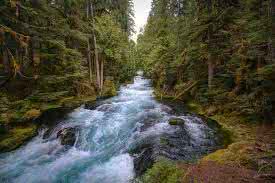
/floʊ/
(noun) 流, 流量, 流畅;
(verb) 流, 流动, 涌动
示例:
The flow of water in the river increased after the rain.
雨后河水流量增加。

/rest/
(noun) 休息, 休止, 其余;
(verb) 休息, 歇息, 放置
示例:
I need to take a rest after a long day.
忙碌了一天后,我需要休息一下。

/ʃaʊt/
(verb) 喊叫, 大喊;
(noun) 喊声, 叫喊
示例:
She had to shout to be heard over the music.
她不得不大喊才能让音乐声盖过。


/ɪnˈɡeɪdʒ/
(verb) 吸引, 使参与, 使从事;
(adjective) 占线, 忙碌
示例:
The story was so captivating that it fully engaged my attention.
这个故事如此引人入胜,完全吸引了我的注意力。
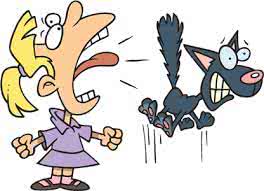


/prɪˈdɪkt/
(verb) 预测, 预言
示例:
It's difficult to predict the outcome of the election.
很难预测选举结果。
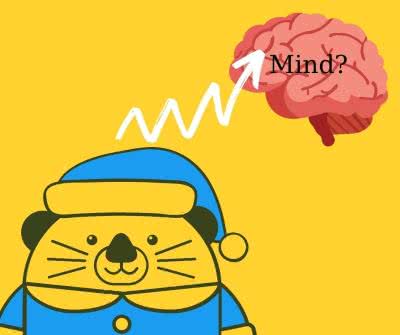



/træk/
(noun) 小径, 足迹, 轨道;
(verb) 追踪, 跟踪, 监测
示例:
The old logging track was overgrown with weeds.
那条旧的伐木小径杂草丛生。

/ˈɪn.də.keɪt/
(verb) 指示, 表明, 暗示
示例:
Please indicate your preference by checking the box.
请勾选方框以表明您的偏好。

/mɑːrk/
(noun) 标记, 痕迹, 分数;
(verb) 弄脏, 留下痕迹, 标记
示例:
The teacher put a red mark on the incorrect answers.
老师在错误的答案上打了一个红标记。
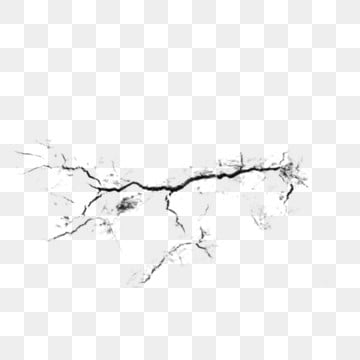
/splɪt/
(verb) 分裂, 分开, 劈开;
(noun) 分裂, 分歧, 劈叉;
(adjective) 分裂的, 分开的, 分叉的
示例:
The company decided to split into two separate entities.
公司决定分拆成两个独立的实体。


/ˌɪn.t̬ɚˈækt/
(verb) 互动, 相互作用
示例:
The two chemicals interact to form a new compound.
这两种化学物质相互作用形成一种新化合物。
/weɪst/
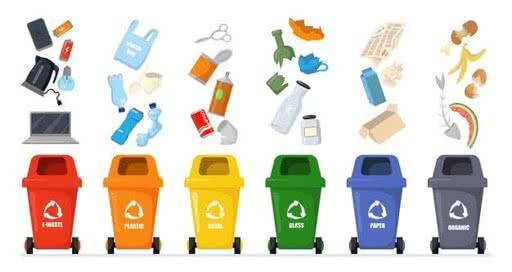
(noun) 废物, 垃圾, 浪费;
(verb) 浪费, 虚耗, 消瘦;
(adjective) 荒芜的, 废弃的
示例:
The factory produces a lot of chemical waste.
这家工厂产生大量化学废料。