
Avatar of Vocabulary Set Top 176 - 200 Verbs

Conjunto de vocabulario Top 176 - 200 Verbs en Los 500 Verbos Más Comunes en Inglés: Lista completa y detallada

El conjunto de vocabulario 'Top 176 - 200 Verbs' en 'Los 500 Verbos Más Comunes en Inglés' está seleccionado cuidadosamente de fuentes de libros de texto estándar internacionales, ayudándote a dominar el vocabulario en poco tiempo. Incluye definiciones completas, ejemplos ilustrativos y pronunciación estándar...

Aprende este conjunto de vocabulario en Lingoland

Aprender ahora
matter

/ˈmæt̬.ɚ/

(noun) materia, asunto, cuestión;

(verb) importar, ser importante

Ejemplo:
All living things are composed of matter.
Todos los seres vivos están compuestos de materia.

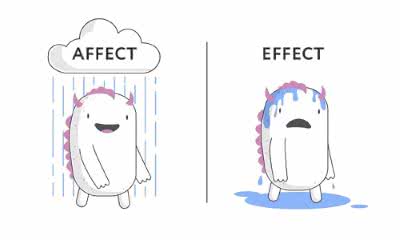
affect

/əˈfekt/

(verb) afectar, influir, conmover

Ejemplo:
The weather will affect our travel plans.
El clima afectará nuestros planes de viaje.

form

/fɔːrm/

(noun) forma, tipo, formulario;

(verb) formar, moldear, formarse

Ejemplo:
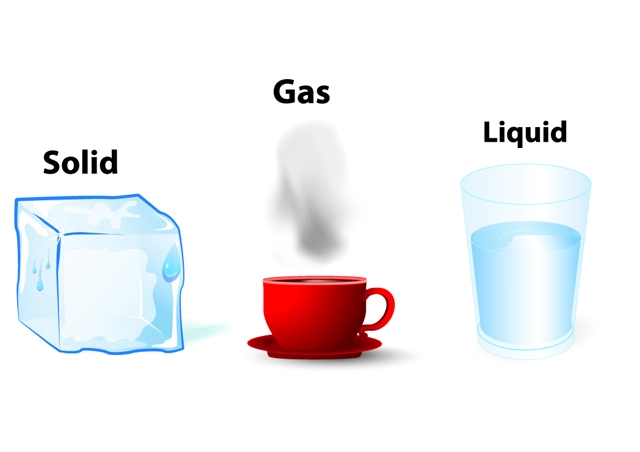
Water can exist in solid, liquid, or gaseous form.
El agua puede existir en forma sólida, líquida o gaseosa.

fill

/fɪl/

(verb) llenar, rellenar, cubrir;

(noun) relleno, cantidad

Ejemplo:

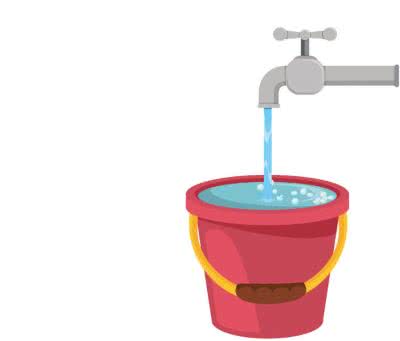
Please fill the bottle with water.
Por favor, llena la botella con agua.

burn

/bɝːn/

(verb) quemar, arder, incendiar;

(noun) quemadura, quema, combustión

Ejemplo:
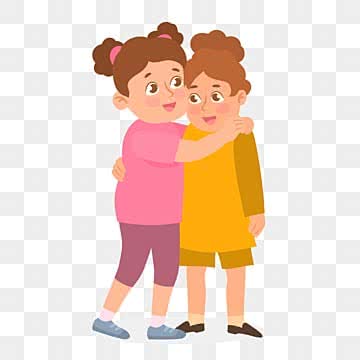
The wood burned brightly in the fireplace.
La leña ardía brillantemente en la chimenea.

close

/kloʊz/

(verb) cerrar, finalizar, concluir;

(adjective) cercano, íntimo, fiel;

(adverb) cerca, próximo

Ejemplo:

Please close the door when you leave.
Por favor, cierra la puerta cuando te vayas.

act

/ækt/

(verb) actuar, obrar, interpretar;

(noun) acto, acción, ley

Ejemplo:
It's time to act.
Es hora de actuar.

tend

/tend/

(verb) tender, inclinarse, atender

Ejemplo:

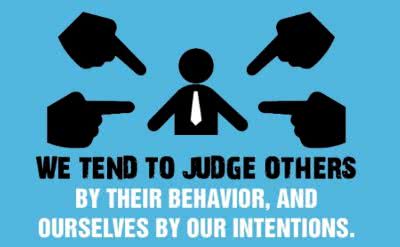
People tend to be happier in the summer.
La gente tiende a ser más feliz en verano.

place

/pleɪs/

(noun) lugar, sitio, casa;

(verb) colocar, poner, ubicar

Ejemplo:
This is a good place to sit.
Este es un buen lugar para sentarse.

avoid

/əˈvɔɪd/

(verb) evitar, eludir

Ejemplo:

She tried to avoid eye contact.
Ella trató de evitar el contacto visual.

agree

/əˈɡriː/

(verb) estar de acuerdo, convenir, concordar

Ejemplo:

I agree with your assessment.
Estoy de acuerdo con tu evaluación.

recognize

/ˈrek.əɡ.naɪz/

(verb) reconocer, admitir, premiar

Ejemplo:
I didn't recognize her at first with her new haircut.
No la reconocí al principio con su nuevo corte de pelo.

charge

/tʃɑːrdʒ/

(verb) cobrar, acusar, imputar;

(noun) cargo, precio, acusación

Ejemplo:

The restaurant charged us for water we didn't order.
El restaurante nos cobró por el agua que no pedimos.

lie

/laɪ/

(verb) tumbarse, yacer, mentir;

(noun) mentira, engaño

Ejemplo:

She likes to lie on the beach and read.
A ella le gusta tumbarse en la playa y leer.

finish

/ˈfɪn.ɪʃ/

(noun) final, conclusión, acabado;

(verb) terminar, finalizar

Ejemplo:

We reached the finish line after a long race.
Llegamos a la línea de meta después de una larga carrera.

enter

/ˈen.t̬ɚ/

(verb) entrar, introducir, ingresar

Ejemplo:
He entered the room quietly.
Él entró en la habitación en silencio.

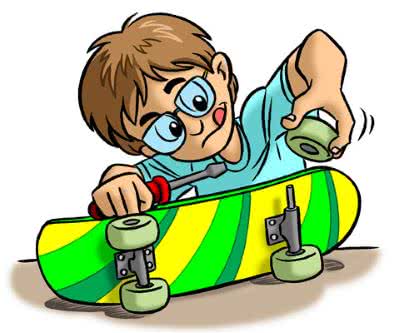
fix

/fɪks/

(verb) arreglar, reparar, fijar;

(noun) solución, arreglo, dosis

Ejemplo:

Can you fix my broken chair?
¿Puedes arreglar mi silla rota?

grab

/ɡræb/

(verb) agarrar, coger, coger rápidamente;

(noun) agarre, cogida

Ejemplo:

She tried to grab the falling vase.
Ella intentó agarrar el jarrón que caía.

touch

/tʌtʃ/

(verb) tocar, conmover, emocionar;

(noun) toque, tacto, pizca

Ejemplo:

Don't touch the wet paint.
No toques la pintura húmeda.

discover

/dɪˈskʌv.ɚ/

(verb) descubrir, encontrar, averiguar

Ejemplo:

Scientists hope to discover a cure for cancer.
Los científicos esperan descubrir una cura para el cáncer.

design

/dɪˈzaɪn/

(noun) diseño, plano, arte de diseñar;

(verb) diseñar, proyectar, destinar a

Ejemplo:

The architect presented the final design for the new building.
El arquitecto presentó el diseño final para el nuevo edificio.

taste

/teɪst/

(noun) sabor, gusto, criterio;

(verb) probar, degustar, saber a

Ejemplo:
The soup has a delicious taste.
La sopa tiene un delicioso sabor.

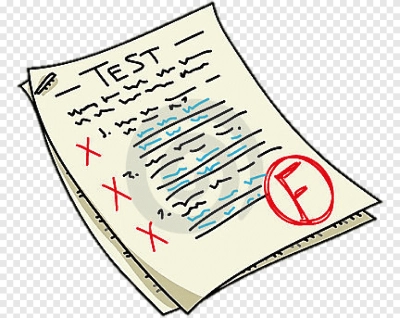
fail

/feɪl/

(verb) fallar, fracasar, no lograr;

(noun) fracaso, falla

Ejemplo:
He tried his best, but he still failed the exam.
Hizo todo lo posible, pero aun así falló el examen.

represent

/ˌrep.rɪˈzent/

(verb) representar, simbolizar, actuar en nombre de

Ejemplo:
The dove represents peace.
La paloma representa la paz.

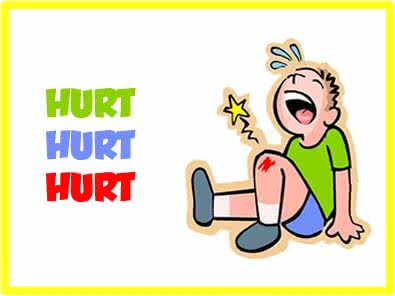
hurt

/hɝːt/

(verb) lastimar, doler, herir;

(noun) dolor, lesión, pena;

(adjective) herido, lastimado, dolido

Ejemplo:

Did you hurt your knee when you fell?
¿Te lastimaste la rodilla cuando te caíste?
Aprende este conjunto de vocabulario en Lingoland