
词汇集 Top 176 - 200 Verbs(属于 500个最常见的英语动词):完整且详细的清单
词汇集「Top 176 - 200 Verbs」(属于「500个最常见的英语动词」)从国际标准教材来源精心挑选,帮助您在短时间内掌握词汇。全面汇整定义、例句及标准发音…
在 Lingoland 学习此词汇集
立即学习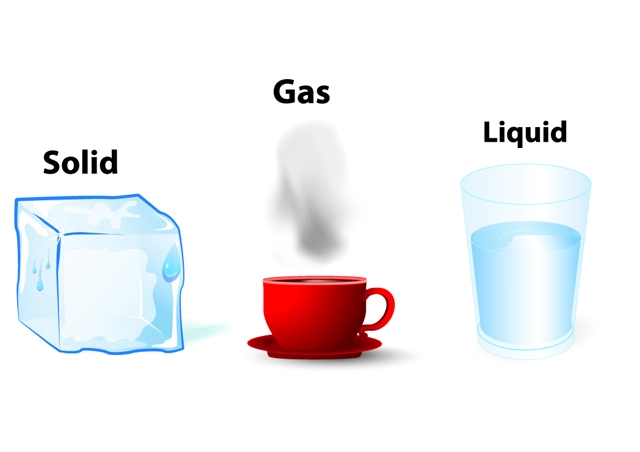
/ˈmæt̬.ɚ/
(noun) 物质, 事情, 问题;
(verb) 重要, 有关系
示例:
All living things are composed of matter.
所有生物都由物质组成。
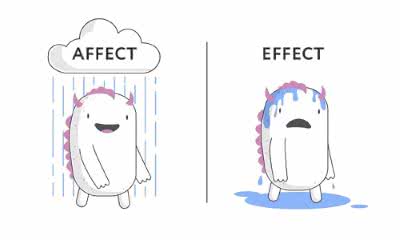

/fɔːrm/
(noun) 形式, 种类, 表格;
(verb) 形成, 塑造, 发展
示例:
Water can exist in solid, liquid, or gaseous form.
水可以以固体、液体或气体形式存在。
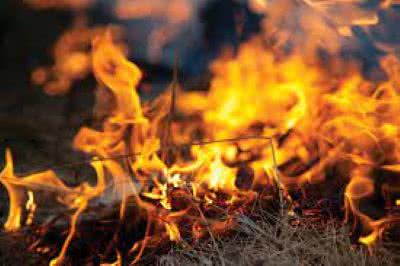
/bɝːn/
(verb) 燃烧, 着火, 烧毁;
(noun) 烧伤, 烫伤, 焚烧
示例:
The wood burned brightly in the fireplace.
木头在壁炉里熊熊燃烧。

/kloʊz/
(verb) 关, 关闭, 结束;
(adjective) 近, 亲密, 逼真;
(adverb) 近, 靠近
示例:
Please close the door when you leave.
请在离开时关上门。




/ˈrek.əɡ.naɪz/
(verb) 认出, 识别, 承认
示例:
I didn't recognize her at first with her new haircut.
她换了新发型,我一开始没认出来。
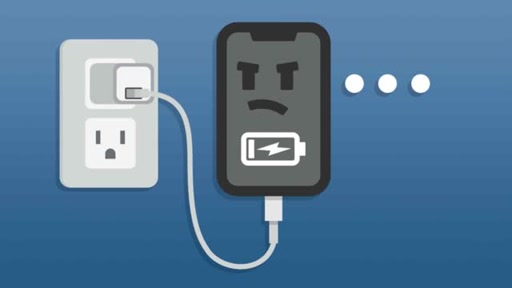
/tʃɑːrdʒ/
(verb) 收费, 索价, 指控;
(noun) 费用, 收费, 指控
示例:
The restaurant charged us for water we didn't order.
餐厅收取了我们没点的水的费用。


/ˈfɪn.ɪʃ/
(noun) 结束, 终点, 表面;
(verb) 完成, 结束
示例:
We reached the finish line after a long race.
我们经过漫长的比赛到达了终点线。





/dɪˈskʌv.ɚ/
(verb) 发现, 找到, 查明
示例:
Scientists hope to discover a cure for cancer.
科学家们希望发现癌症的治疗方法。

/dɪˈzaɪn/
(noun) 设计, 图样, 设计艺术;
(verb) 设计, 构思, 旨在
示例:
The architect presented the final design for the new building.
建筑师展示了新建筑的最终设计。

/teɪst/
(noun) 味道, 滋味, 品味;
(verb) 品尝, 尝, 尝起来有...味道
示例:
The soup has a delicious taste.
这汤有美味的味道。
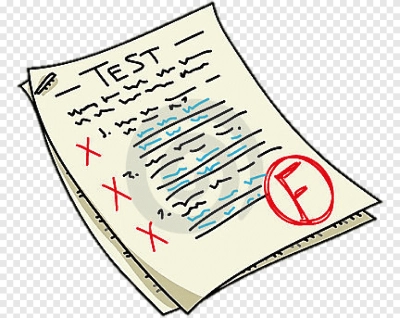
/feɪl/
(verb) 失败, 不及格, 未能;
(noun) 失败, 不及格
示例:
He tried his best, but he still failed the exam.
他尽力了,但考试还是不及格。
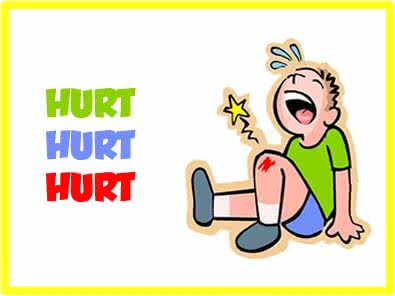
/hɝːt/
(verb) 伤害, 疼痛, 使...痛苦;
(noun) 疼痛, 伤害, 伤痛;
(adjective) 受伤的, 疼痛的, 心痛的
示例:
Did you hurt your knee when you fell?
你摔倒时伤到膝盖了吗?