
Avatar of Vocabulary Set B1 - Sentimientos y Emociones

Conjunto de vocabulario B1 - Sentimientos y Emociones en Nivel B1: Lista completa y detallada

El conjunto de vocabulario 'B1 - Sentimientos y Emociones' en 'Nivel B1' está seleccionado cuidadosamente de fuentes de libros de texto estándar internacionales, ayudándote a dominar el vocabulario en poco tiempo. Incluye definiciones completas, ejemplos ilustrativos y pronunciación estándar...

Aprende este conjunto de vocabulario en Lingoland

Aprender ahora
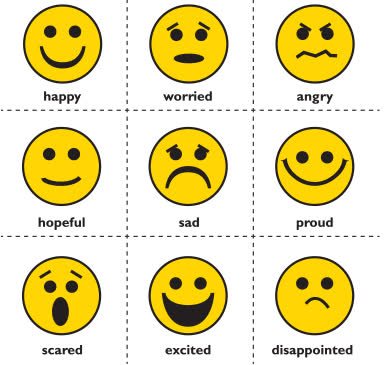
feeling

/ˈfiː.lɪŋ/

(noun) sentimiento, emoción, sensibilidad

Ejemplo:

She had a strange feeling that something was wrong.
Tenía una extraña sensación de que algo andaba mal.

amazed

/əˈmeɪzd/

(adjective) asombrado, sorprendido

Ejemplo:

She was amazed by the beauty of the Grand Canyon.
Ella estaba asombrada por la belleza del Gran Cañón.

anger

/ˈæŋ.ɡɚ/

(noun) ira, enojo;

(verb) enfadar, enojar

Ejemplo:

His face was red with anger.
Su cara estaba roja de ira.

annoy

/əˈnɔɪ/

(verb) molestar, fastidiar, irritar

Ejemplo:

His constant complaining really annoys me.
Sus quejas constantes realmente me molestan.

anxious

/ˈæŋk.ʃəs/

(adjective) ansioso, preocupado, deseoso

Ejemplo:

She was anxious about her exam results.
Estaba ansiosa por los resultados de su examen.

anxiety

/æŋˈzaɪ.ə.t̬i/

(noun) ansiedad, preocupación, inquietud

Ejemplo:

He felt a surge of anxiety as he waited for the test results.
Sintió una oleada de ansiedad mientras esperaba los resultados de la prueba.

approval

/əˈpruː.vəl/

(noun) aprobación, consentimiento, permiso

Ejemplo:

The project received official approval from the committee.
El proyecto recibió la aprobación oficial del comité.

ashamed

/əˈʃeɪmd/

(adjective) avergonzado, apenado

Ejemplo:

She felt deeply ashamed of her behavior at the party.
Se sintió profundamente avergonzada de su comportamiento en la fiesta.

astonish

/əˈstɑː.nɪʃ/

(verb) asombrar, sorprender

Ejemplo:

Her beauty never ceases to astonish me.
Su belleza nunca deja de asombrarme.

attraction

/əˈtræk.ʃən/

(noun) atracción, atractivo, característica atractiva

Ejemplo:

The new exhibit is a major attraction for tourists.
La nueva exposición es una gran atracción para los turistas.

boredom

/ˈbɔːr.dəm/

(noun) aburrimiento, tedio

Ejemplo:

She suffered from extreme boredom during the long lecture.
Ella sufrió de un aburrimiento extremo durante la larga conferencia.

cheerful

/ˈtʃɪr.fəl/

(adjective) alegre, contento, optimista

Ejemplo:

She always has a cheerful disposition, even on Mondays.
Ella siempre tiene una disposición alegre, incluso los lunes.

depressed

/dɪˈprest/

(adjective) deprimido, abatido, reducido

Ejemplo:

She felt deeply depressed after losing her job.
Se sintió profundamente deprimida después de perder su trabajo.

desire

/dɪˈzaɪr/

(noun) deseo, anhelo, apetito;

(verb) desear, anhelar, querer

Ejemplo:

He expressed a strong desire to travel the world.
Expresó un fuerte deseo de viajar por el mundo.

disappoint

/ˌdɪs.əˈpɔɪnt/

(verb) decepcionar

Ejemplo:

I'm sorry to disappoint you, but I can't make it.
Siento decepcionarte, pero no puedo ir.

eager

/ˈiː.ɡɚ/

(adjective) ansioso, deseoso, ávido

Ejemplo:

She was eager to start her new job.
Estaba ansiosa por empezar su nuevo trabajo.

embarrassed

/ɪmˈber.əst/

(adjective) avergonzado, embarazado

Ejemplo:

She felt deeply embarrassed by her mistake.
Se sintió profundamente avergonzada por su error.

excitement

/ɪkˈsaɪt.mənt/

(noun) emoción, excitación, sensación

Ejemplo:

The children were filled with excitement as they opened their presents.
Los niños estaban llenos de emoción al abrir sus regalos.

exhausted

/ɪɡˈzɑː.stɪd/

(adjective) exhausto, agotado;

(past participle) agotado, consumido

Ejemplo:

After running the marathon, she was completely exhausted.
Después de correr el maratón, estaba completamente exhausta.

fear

/fɪr/

(noun) miedo, temor, reverencia;

(verb) temer, tener miedo de, preocuparse por

Ejemplo:

She felt a sudden surge of fear when she heard the strange noise.
Sintió una oleada repentina de miedo cuando escuchó el ruido extraño.

frightened

/ˈfraɪ.tənd/

(adjective) asustado, atemorizado

Ejemplo:

The child was frightened by the loud thunder.
El niño estaba asustado por el fuerte trueno.

glad

/ɡlæd/

(adjective) contento, alegre, gozoso;

(verb) alegrar, contentar

Ejemplo:

I'm so glad to see you!
¡Estoy tan contento de verte!

grateful

/ˈɡreɪt.fəl/

(adjective) agradecido

Ejemplo:

I am so grateful for your help.
Estoy muy agradecido por tu ayuda.

hate

/heɪt/

(verb) odiar, aborrecer;

(noun) odio, aborrecimiento

Ejemplo:

I hate doing laundry.
Odio lavar la ropa.

guilty

/ˈɡɪl.ti/

(adjective) culpable, arrepentido

Ejemplo:

The jury found him guilty of theft.
El jurado lo encontró culpable de robo.

interest

/ˈɪn.trɪst/

(noun) interés, curiosidad, rédito;

(verb) interesar, atraer

Ejemplo:

She showed great interest in the new project.
Ella mostró gran interés en el nuevo proyecto.

interested

/ˈɪn.trɪ.stɪd/

(adjective) interesado, afectado

Ejemplo:

She seemed genuinely interested in my ideas.
Parecía genuinamente interesada en mis ideas.

jealousy

/ˈdʒel.ə.si/

(noun) celos, envidia, posesividad

Ejemplo:

Her success sparked jealousy among her colleagues.
Su éxito despertó celos entre sus colegas.

lonely

/ˈloʊn.li/

(adjective) solitario, solo, desolado

Ejemplo:

She felt lonely after moving to a new city.
Se sintió sola después de mudarse a una nueva ciudad.

mad

/mæd/

(adjective) loco, demente, enojado

Ejemplo:

The old man seemed completely mad, talking to himself in the street.
El viejo parecía completamente loco, hablando solo en la calle.

pleasure

/ˈpleʒ.ɚ/

(noun) placer, gozo, deleite;

(verb) complacer, agradar

Ejemplo:

She takes great pleasure in her work.
Ella siente gran placer en su trabajo.

please

/pliːz/

(interjection) por favor;

(verb) complacer, agradar

Ejemplo:
Can you help me, please?
¿Puedes ayudarme, por favor?

satisfaction

/ˌsæt̬.ɪsˈfæk.ʃən/

(noun) satisfacción, contento, cumplimiento

Ejemplo:

Customer satisfaction is our top priority.
La satisfacción del cliente es nuestra máxima prioridad.

scare

/sker/

(verb) asustar, atemorizar;

(noun) susto, miedo, alarma

Ejemplo:

The sudden noise scared the cat.
El ruido repentino asustó al gato.

satisfy

/ˈsæt̬.ɪs.faɪ/

(verb) satisfacer, contentar, convencer

Ejemplo:

The new policy aims to satisfy both employees and management.
La nueva política tiene como objetivo satisfacer tanto a los empleados como a la gerencia.

stressed

/strest/

(adjective) estresado, tenso;

(past participle) acentuado, enfatizado

Ejemplo:

She felt very stressed after the exam.
Se sintió muy estresada después del examen.

calm

/kɑːm/

(adjective) calmado, tranquilo, en calma;

(verb) calmar, tranquilizar;

(noun) calma, tranquilidad

Ejemplo:

She remained calm despite the chaos around her.
Ella permaneció tranquila a pesar del caos a su alrededor.

frighten

/ˈfraɪ.tən/

(verb) asustar, atemorizar

Ejemplo:

The sudden noise frightened the baby.
El ruido repentino asustó al bebé.

inspire

/ɪnˈspaɪr/

(verb) inspirar, motivar, suscitar

Ejemplo:

His courage inspired everyone around him.
Su coraje inspiró a todos a su alrededor.

horror

/ˈhɔːr.ɚ/

(noun) horror, miedo, asco

Ejemplo:

She screamed in horror as the monster appeared.
Ella gritó de horror cuando apareció el monstruo.
Aprende este conjunto de vocabulario en Lingoland