
Arithmetic and Statistics Vocabulary Set in SAT Math and Logic: Full and Detailed List
The 'Arithmetic and Statistics' vocabulary set in 'SAT Math and Logic' is carefully selected from standard international textbook sources, helping you master vocabulary in a short time. Comprehensive compilation of definitions, illustrative examples, and standard pronunciation...
Learn this vocabulary set on Lingoland
Learn Now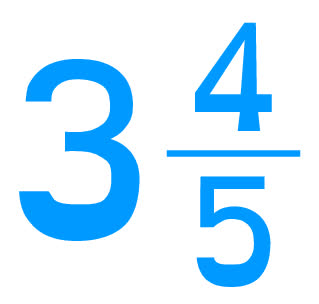
/mɪkst ˈnʌm.bɚ/
Example:
The number 2 1/2 is a mixed number.
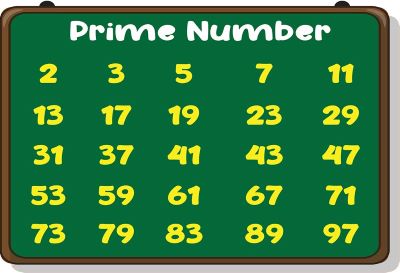
/praɪm ˈnʌm.bɚ/
Example:
The number 7 is a prime number because it is only divisible by 1 and 7.
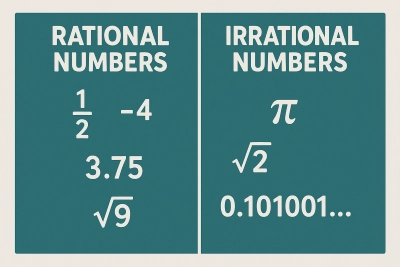
/ˈræʃ.ən.əl ˈnʌm.bɚ/
Example:
The number 0.75 is a rational number because it can be written as 3/4.
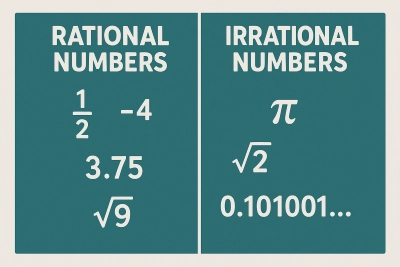
/ɪˈræʃ.ən.əl ˈnʌm.bɚ/
Example:
The square root of two is a famous irrational number.
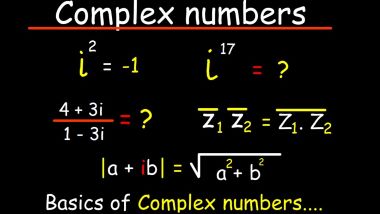
/ˈkɑːm.pleks ˈnʌm.bɚ/
Example:
In mathematics, a complex number consists of a real part and an imaginary part.
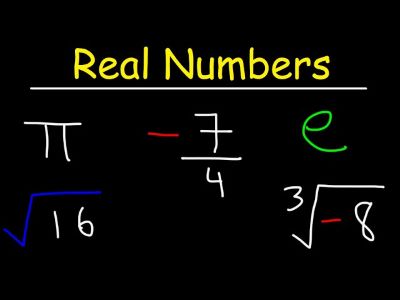
/ˈriːl ˈnʌm.bɚ/
Example:
The set of real numbers includes both integers and fractions.
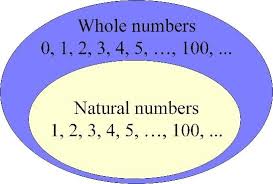
/hoʊl ˈnʌm.bɚ/
Example:
The teacher asked the students to round the decimal to the nearest whole number.
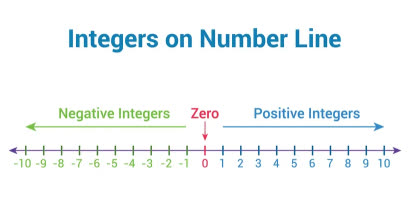
/ˈɪn.tə.dʒɚ/
Example:
The number 5 is an integer, but 5.5 is not.
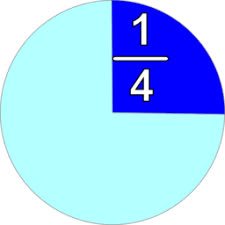
/ˈfræk.ʃən/
Example:
Only a small fraction of the population attended the meeting.

/ˈdes.ə.məl/
Example:
The price is given to two decimal places.
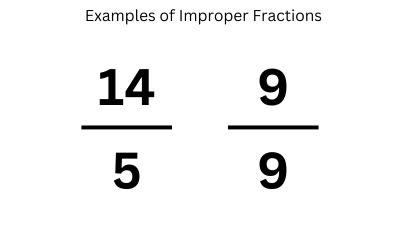
/ɪmˈprɑː.pɚ ˈfræk.ʃən/
Example:
The fraction 7/4 is an improper fraction because the top number is larger than the bottom.

/miːn/
Example:
What do you mean by that?
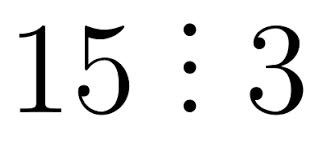
/dɪˈvɪz.ə.bəl/
Example:
The number 10 is divisible by 2 and 5.

/ruːt/
Example:
The tree's roots spread deep into the soil.
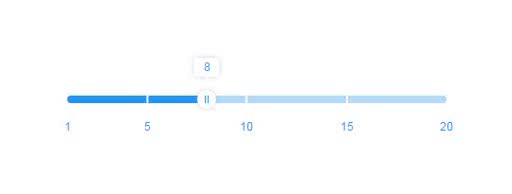
/reɪndʒ/
Example:
The price range for these cars is between $20,000 and $30,000.

/skwer/
Example:
Draw a perfect square on the paper.
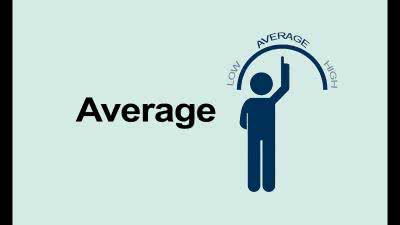
/ˈæv.ɚ.ɪdʒ/
Example:
The average score on the test was 75.
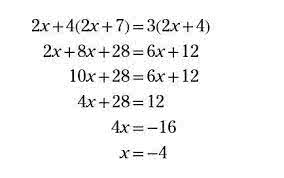
/səˈluː.ʃən/
Example:
We need to find a practical solution to this issue.

/ˈprɑː.dʌkt/
Example:
The company launched a new software product.
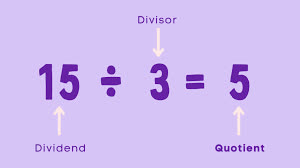
/ˈkwoʊ.ʃənt/
Example:
The quotient of 10 divided by 2 is 5.

/ˈfæk.tɚ/
Example:
Cost was a major factor in our decision.

/ˈvæl.juː/
Example:
The true value of friendship cannot be measured.
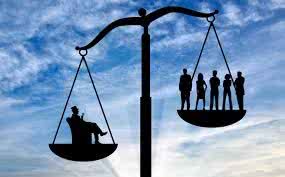
/ˌɪn.ɪˈkwɑː.lə.t̬i/
Example:
There is a growing inequality between the rich and the poor.
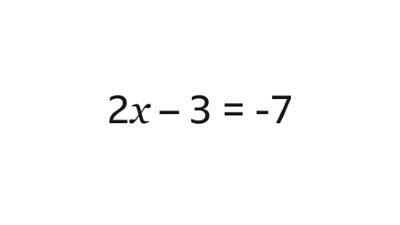
/ɪˈkweɪ.ʒən/
Example:
Solve the equation for x.
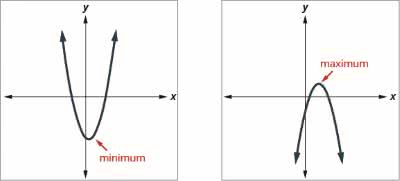
/ˈmɪn.ə.məm/
Example:
The minimum age for voting is 18.
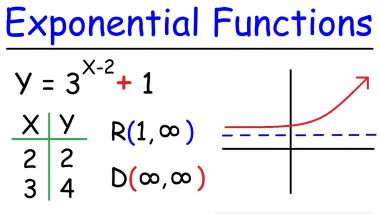
/ˌek.spoʊˈnen.ʃəl/
Example:
The company has experienced exponential growth in the last year.
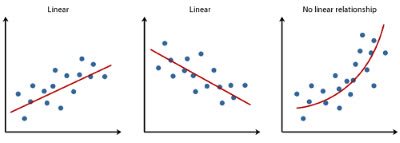
/ˈlɪn.i.ɚ/
Example:
The road follows a linear path through the valley.
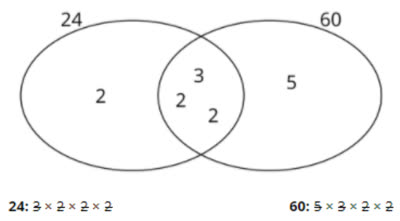
/ˈkɑː.mən ˈmʌl.tə.pəl/
Example:
The number 12 is a common multiple of 3 and 4.
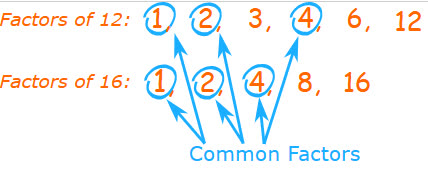
/ˈkɑː.mən ˈfæk.tɚ/
Example:
The highest common factor of 12 and 18 is 6.
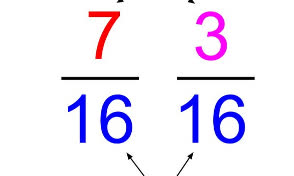
/ˈkɑː.mən dɪˈnɑː.mə.neɪ.t̬ɚ/
Example:
The common denominator in all these cases is a lack of communication.
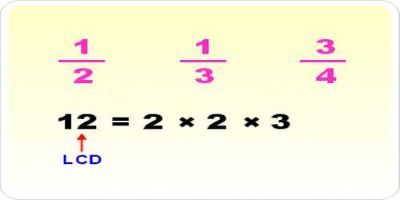
/list ˈkɑm.ən dɪˈnɑm.ə.neɪ.t̬ɚ/
Example:
To add these fractions, you first need to find the least common denominator.
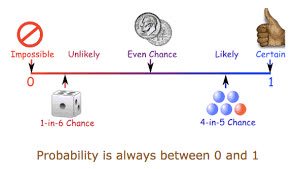
/ˌprɑː.bəˈbɪl.ə.t̬i/
Example:
There is a high probability of rain tomorrow.

/ˈes.tə.meɪt/
Example:
Can you give me an estimate of the cost?
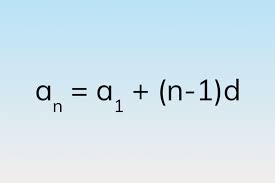
/ˌær.ɪθˈmet.ɪk ˈsiː.kwəns/
Example:
The numbers 2, 5, 8, 11 form an arithmetic sequence with a common difference of 3.
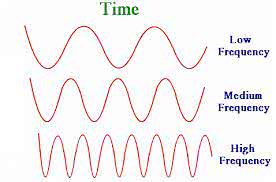
/ˈfriː.kwən.si/
Example:
The frequency of his visits increased over time.
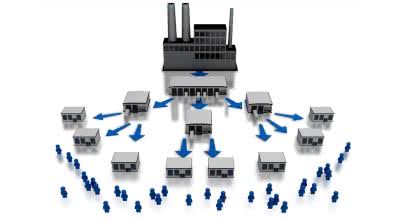
/ˌdɪs.trɪˈbjuː.ʃən/
Example:
The distribution of food to the needy was organized by volunteers.
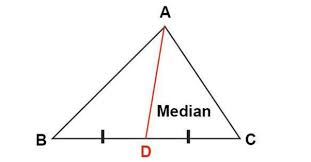
/ˈmiː.di.ən/
Example:
The median income for the city has increased.
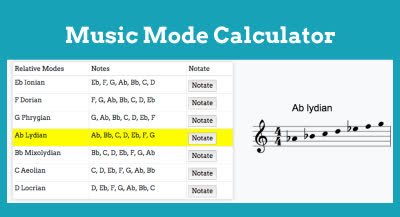
/moʊd/
Example:
The car has a sport mode.
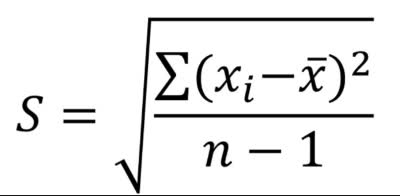
/ˈstæn.dɚd ˌdiː.viˈeɪ.ʃən/
Example:
The standard deviation of the test scores was quite low, meaning most students performed similarly.
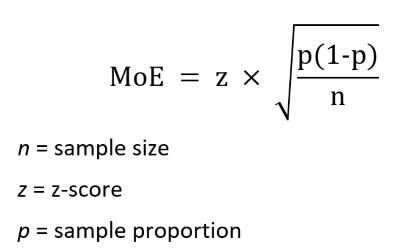
/ˈmɑːr.dʒɪn əv ˈer.ɚ/
Example:
The survey has a margin of error of plus or minus three percent.
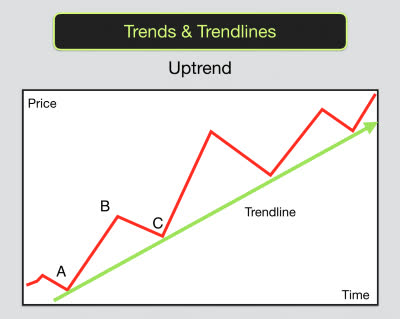
/ˈtrend laɪn/
Example:
The trend line on the chart indicates a steady increase in sales.