
词汇集 爱与恨 1(属于 决定):完整且详细的清单
词汇集「爱与恨 1」(属于「决定」)从国际标准教材来源精心挑选,帮助您在短时间内掌握词汇。全面汇整定义、例句及标准发音…
在 Lingoland 学习此词汇集
立即学习




/əˈnæθ.ə.mə/
(noun) 极度厌恶的事物, 诅咒, 革除教门
示例:
The idea of a tax increase was anathema to the conservative party.
增税的想法对保守党来说是极度厌恶的。
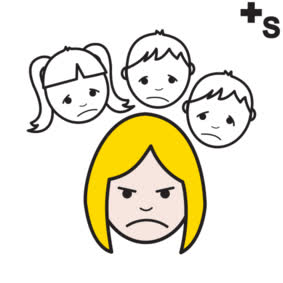
/ˌæn.tɪ.pəˈθet.ɪk/
(adjective) 反感的, 格格不入的
示例:
He was deeply antipathetic to the idea of censorship.
他非常反感审查制度。

/ænˈtɪp.ə.θi/
(noun) 反感, 厌恶, 憎恶
示例:
There was a strong antipathy between the two rivals.
两位对手之间存在强烈的反感。
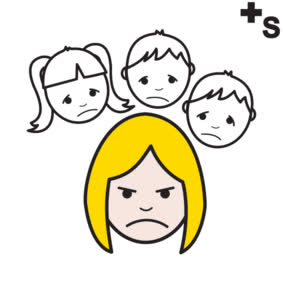



/dɪsˈɡʌst/
(noun) 厌恶, 恶心;
(verb) 使厌恶, 使恶心
示例:
The sight of the rotten food filled her with disgust.
看到腐烂的食物让她感到厌恶。

/dɪˈslaɪk/
(noun) 厌恶, 不喜欢;
(verb) 不喜欢, 厌恶
示例:
She has a strong dislike for seafood.
她对海鲜有强烈的厌恶。

/ɪˈnæm.ɚd/
(adjective) 迷恋的, 倾心的
示例:
He became deeply enamored of her after their first meeting.
第一次见面后,他深深地爱上了她。

/ˈen.ə.mi/
(noun) 敌人, 仇敌
示例:
He made many enemies during his political career.
他在政治生涯中树立了许多敌人。
/ˈfæd.i.nəs/
(noun) 喜新厌旧, 赶时髦, 反复无常
示例:
Her faddiness in fashion meant her wardrobe was constantly changing.
她在时尚方面的喜新厌旧意味着她的衣橱不断变化。


/ˈfeɪ.vɚ/
(noun) 帮助, 恩惠, 支持;
(verb) 偏爱, 支持, 赞成
示例:
Could you do me a favor and pick up my mail?
你能帮我一个忙,去取一下我的邮件吗?


/ˈfɪn.ɪ.ki/
(adjective) 挑剔的, 难伺候的, 过分讲究的
示例:
He's very finicky about his food and only eats organic vegetables.
他对食物非常挑剔,只吃有机蔬菜。



/ɡrʌdʒ/
(noun) 怨恨, 积怨;
(verb) 嫉妒, 不情愿地给予
示例:
She held a grudge against him for years after their argument.
争吵过后,她对他怀恨在心多年。


/hæv əˈɡenst/
(phrasal verb) 对...有意见, 不喜欢
示例:
I don't have anything against him personally, but I disagree with his policies.
我个人对他没有什么意见,但我不同意他的政策。


/hæv ə sɑft spɑt fɔr/
(idiom) 对...情有独钟, 对...有偏爱
示例:
I've always had a soft spot for stray animals.
我一直对流浪动物情有独钟。