Avatar of Vocabulary Set 政治

词汇集 政治(属于 托福必备词汇):完整且详细的清单

词汇集「政治」(属于「托福必备词汇」)从国际标准教材来源精心挑选,帮助您在短时间内掌握词汇。全面汇整定义、例句及标准发音…

在 Lingoland 学习此词汇集

立即学习


regime

/reɪˈʒiːm/

(noun) 政权, 体制, 制度

示例:

The military regime suppressed all dissent.
军事政权镇压了所有异议。

ambassador

/æmˈbæs.ə.dɚ/

(noun) 大使, 代表

示例:

The ambassador presented his credentials to the President.
大使向总统递交了国书。

embassy

/ˈem.bə.si/

(noun) 大使馆, 外交使团, 大使团

示例:

The new ambassador arrived at the embassy this morning.
新大使今天早上抵达了大使馆

summit

/ˈsʌm.ɪt/

(noun) 顶峰, 山顶, 峰会;

(verb) 登顶, 达到顶峰

示例:

They reached the summit of Mount Everest.
他们到达了珠穆朗玛峰的顶峰

wing

/wɪŋ/

(noun) 翅膀, 侧楼, 翼;

(verb) 添上翅膀, 射中翅膀, 即兴发挥

示例:

The bird flapped its wings and soared into the sky.
鸟儿扇动着翅膀,飞向天空。

spokesperson

/ˈspoʊksˌpɝː.sən/

(noun) 发言人

示例:

The company's spokesperson announced the new policy.
公司发言人宣布了新政策。

bureaucracy

/bjʊˈrɑː.krə.si/

(noun) 官僚主义, 官僚机构, 行政机构

示例:

The project was delayed due to excessive bureaucracy.
该项目因过度官僚主义而延误。

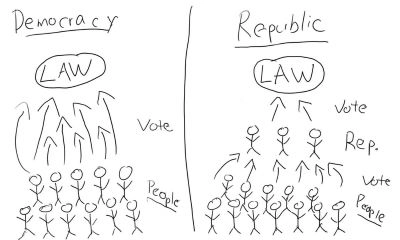
democracy

/dɪˈmɑː.krə.si/

(noun) 民主, 民主国家

示例:

The country transitioned to a democracy after decades of authoritarian rule.
在几十年的专制统治之后,该国过渡到民主

democratic

/ˌdem.əˈkræt̬.ɪk/

(adjective) 民主的, 平等的

示例:

The country held its first democratic elections.
该国举行了首次民主选举。

democrat

/ˈdem.ə.kræt/

(noun) 民主主义者, 民主党人

示例:

He is a strong democrat who believes in the power of the people.
他是一个坚定的民主主义者,相信人民的力量。

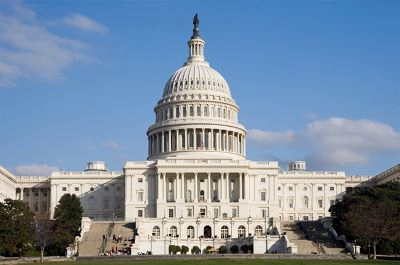
congress

/ˈkɑːŋ.ɡres/

(noun) 大会, 代表大会, 国会

示例:

The medical congress will be held in Paris next month.
医学大会将于下月在巴黎举行。

senate

/ˈsen.ət/

(noun) 参议院, 评议会, 校务委员会

示例:

The bill passed through the Senate with a narrow majority.
该法案以微弱多数通过了参议院

senator

/ˈsen.ə.t̬ɚ/

(noun) 参议员

示例:

The senator delivered a powerful speech on the floor.
这位参议员在议会发表了有力的演讲。

cabinet

/ˈkæb.ən.ət/

(noun) 橱柜, 柜子, 内阁

示例:

She keeps her dishes in the kitchen cabinet.
她把盘子放在厨房碗柜里。

slogan

/ˈsloʊ.ɡən/

(noun) 口号, 标语

示例:

The company's new slogan is 'Innovate, Create, Elevate'.
公司的新口号是“创新、创造、提升”。

campaign

/kæmˈpeɪn/

(noun) 战役, 军事行动, 运动;

(verb) 竞选, 开展运动

示例:

The general launched a new campaign against the enemy.
将军对敌人发起了一场新的战役

conservative

/kənˈsɝː.və.t̬ɪv/

(noun) 保守派;

(adjective) 保守的, 传统的

示例:

My grandfather is a staunch conservative.
我爷爷是个坚定的保守派

dictatorship

/dɪkˈteɪ.t̬ɚ.ʃɪp/

(noun) 独裁国家, 独裁政权, 独裁统治

示例:

The country transitioned from a democracy to a dictatorship.
该国从民主制转变为独裁统治

dictator

/ˈdɪk.teɪ.t̬ɚ/

(noun) 独裁者

示例:

The country was ruled by a ruthless dictator for decades.
这个国家被一个残暴的独裁者统治了几十年。

council

/ˈkaʊn.səl/

(noun) 理事会, 委员会, 会议

示例:

The city council approved the new zoning laws.
议会批准了新的分区法。

poll

/poʊl/

(noun) 民意调查, 投票, 选举;

(verb) 调查, 投票, 获得选票

示例:

A recent poll shows that public support for the new policy is declining.
最近的民意调查显示,公众对新政策的支持正在下降。

diplomacy

/dɪˈploʊ.mə.si/

(noun) 外交, 手腕, 策略

示例:

The crisis was resolved through careful diplomacy.
危机通过谨慎的外交得以解决。

diplomat

/ˈdɪp.lə.mæt/

(noun) 外交官, 外交家, 善于交际的人

示例:

The diplomat presented his credentials to the foreign minister.
这位外交官向外交部长递交了国书。

federal

/ˈfed.ɚ.əl/

(adjective) 联邦的, 中央的

示例:

The United States has a federal system of government.
美国实行联邦制政府。

republic

/rəˈpʌb.lɪk/

(noun) 共和国, 共和制

示例:

The country transitioned from a monarchy to a republic.
该国从君主制过渡到共和制

republican

/rəˈpʌb.lɪ.kən/

(noun) 共和主义者, 共和党人;

(adjective) 共和制的, 共和党的

示例:
Many republicans believe in limited government intervention.
许多共和主义者相信有限的政府干预。

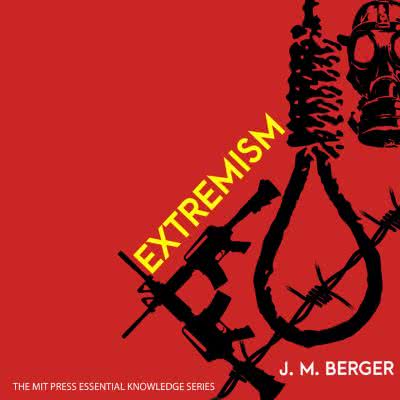
extremism

/ɪkˈstriː.mɪ.zəm/

(noun) 极端主义

示例:

The government is committed to combating all forms of extremism.
政府致力于打击一切形式的极端主义

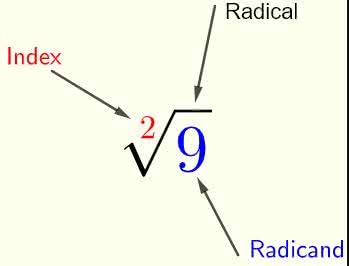
radical

/ˈræd.ɪ.kəl/

(adjective) 根本的, 彻底的, 激进的;

(noun) 激进分子, 极端分子, 革命者

示例:

The company underwent a radical transformation.
公司经历了彻底的转型。

free trade

/ˌfriː ˈtreɪd/

(noun) 自由贸易

示例:

The two countries signed a free trade agreement.
两国签署了自由贸易协定。

governor

/ˈɡʌv.ɚ.nɚ/

(noun) 州长, 总督, 行长

示例:

The governor signed the new bill into law.
州长签署了新法案使其成为法律。

liberal

/ˈlɪb.ər.əl/

(adjective) 开明的, 自由的, 自由主义的;

(noun) 自由主义者

示例:
She has very liberal views on education.
她对教育持非常开明的观点。

independence

/ˌɪn.dɪˈpen.dəns/

(noun) 独立, 自主

示例:

The country gained its independence in 1960.
该国于1960年获得独立

monarchy

/ˈmɑː.nɚ.ki/

(noun) 君主制, 君主制国家, 王国

示例:

The country transitioned from a republic to a monarchy.
该国从共和国转变为君主制

propaganda

/ˌprɑː.pəˈɡæn.də/

(noun) 宣传, 鼓吹

示例:

The government used state-controlled media to spread its propaganda.
政府利用国家控制的媒体散布其宣传

anarchy

/ˈæn.ɚ.ki/

(noun) 无政府状态, 混乱, 无秩序

示例:

The collapse of the government led to widespread anarchy in the streets.
政府的垮台导致街头普遍的无政府状态

opposition

/ˌɑː.pəˈzɪʃ.ən/

(noun) 反对, 抵抗, 反对党

示例:

There was strong opposition to the new policy.
新政策遭到了强烈反对

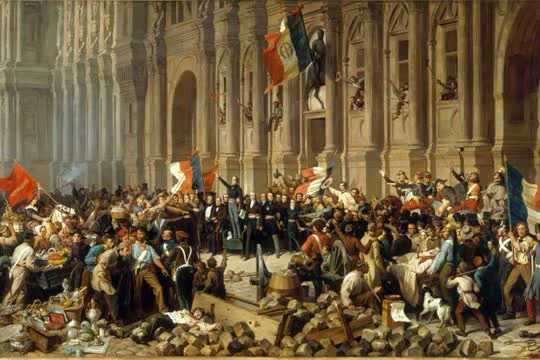
revolution

/ˌrev.əˈluː.ʃən/

(noun) 革命, 巨变, 革新

示例:

The French Revolution changed the course of history.
法国大革命改变了历史的进程。

reform

/rɪˈfɔːrm/

(noun) 改革, 改进;

(verb) 改革, 改进, 改造

示例:

The government promised significant reform in the education system.
政府承诺对教育系统进行重大改革
在 Lingoland 学习此词汇集