Avatar of Vocabulary Set 争论

词汇集 争论(属于 托福高级词汇):完整且详细的清单

词汇集「争论」(属于「托福高级词汇」)从国际标准教材来源精心挑选,帮助您在短时间内掌握词汇。全面汇整定义、例句及标准发音…

在 Lingoland 学习此词汇集

立即学习


avow

/əˈvaʊ/

(verb) 公开承认, 坦白

示例:

He avowed his intention to run for office.
公开承认了竞选公职的意图。

arbitrate

/ˈɑːr.bə.treɪt/

(verb) 仲裁, 裁决, 公断

示例:

The committee was formed to arbitrate disputes between employees.
委员会的成立是为了仲裁员工之间的纠纷。

come out

/kʌm aʊt/

(phrasal verb) 大白, 浮出水面, 出版

示例:

The truth will come out eventually.
真相最终会大白

confute

/kənˈfjuːt/

(verb) 驳倒, 反驳

示例:

The lawyer used new evidence to confute the witness's testimony.
律师利用新证据驳倒了证人的证词。

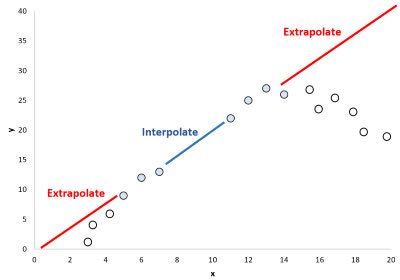
extrapolate

/ɪkˈstræp.ə.leɪt/

(verb) 推断, 外推

示例:

We can extrapolate the results to the entire population.
我们可以将结果推断到整个人口。

interject

/ˌɪn.t̬ɚˈdʒekt/

(verb) 插话, 打断

示例:

She tried to interject a comment, but he ignored her.
她试图插话,但他没有理会她。

opine

/oʊˈpaɪn/

(verb) 发表意见, 认为

示例:

He will opine on the matter after reviewing all the facts.
他将在审查所有事实后发表意见

pontificate

/pɑːnˈtɪf.ə.keɪt/

(verb) 发号施令, 武断地发表意见, 主持教务

示例:

I think it's rude to pontificate about things you know nothing about.
我认为对你一无所知的事情发号施令是很无礼的。

posit

/ˈpɑː.zɪt/

(verb) 假定, 提出

示例:

He posited that the universe is infinite.
假定宇宙是无限的。

underpin

/ˌʌn.dɚˈpɪn/

(verb) 加固地基, 从下面支撑, 支撑

示例:

The old house needed to be underpinned to prevent it from collapsing.
老房子需要加固地基以防倒塌。

vacillate

/ˈvæs.ə.leɪt/

(verb) 摇摆不定, 犹豫不决

示例:

She tends to vacillate between two extremes.
她倾向于在两个极端之间摇摆不定

ad hominem

/ˌæd ˈhɑː.mɪ.nəm/

(adjective) 人身攻击的, 针对个人的;

(adverb) 人身攻击地, 针对个人地

示例:

His argument was dismissed as an ad hominem attack.
他的论点被斥为人身攻击

bumptious

/ˈbʌmp.ʃəs/

(adjective) 傲慢的, 自大的, 狂妄的

示例:

His bumptious attitude made him unpopular with his colleagues.
傲慢自大的态度使他在同事中不受欢迎。

credulous

/ˈkredʒ.ə.ləs/

(adjective) 轻信的, 易受骗的

示例:

The con artist targeted credulous people who were looking for a quick way to get rich.
骗子盯上了那些寻找快速致富方法的轻信的人。

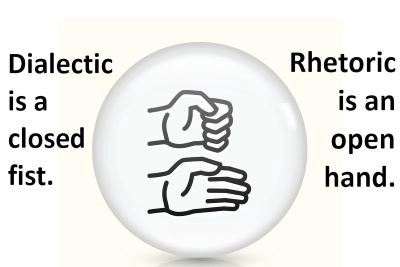
dialectical

/ˌdaɪ.əˈlek.tɪ.kəl/

(adjective) 辩证的, 方言的

示例:

The philosopher discussed the dialectical process of history.
这位哲学家讨论了历史的辩证过程。

intermediary

/ˌɪn.t̬ɚˈmiː.di.ə.ri/

(noun) 中间人, 调解人;

(adjective) 中间的, 居间的

示例:

The diplomat served as an intermediary between the two warring nations.
这位外交官在两个交战国之间充当中间人

non-committal

/ˌnɑːn kəˈmɪt.əl/

(adjective) 不置可否的, 模棱两可的, 不表态的

示例:

His answer was a rather non-committal shrug.
他的回答是相当不置可否的耸肩。

polemic

/pəˈlem.ɪk/

(noun) 论战, 抨击;

(adjective) 争议性的, 论战的

示例:

His book was a fierce polemic against the government's policies.
他的书是对政府政策的激烈抨击

vociferous

/vəˈsɪf.ɚ.əs/

(adjective) 喧嚷的, 大声的, 吵闹的

示例:

The protestors were vociferous in their demands for justice.
抗议者们大声疾呼地要求正义。

airing

/ˈer.ɪŋ/

(noun) 通风, 晾晒, 播出

示例:

The clothes need an airing after being stored for so long.
衣服存放这么久需要晾晒一下。

aporia

/əˈpɔːr.i.ə/

(noun) 悖论, 疑难, 困惑

示例:

The philosopher's argument eventually led to an aporia that could not be resolved.
这位哲学家的问题最终导致了一个无法解决的悖论

argumentation

/ˈɑːrɡ.jə.menˈteɪ.ʃən/

(noun) 论证, 辩论

示例:

Her careful argumentation convinced the committee.
她严谨的论证说服了委员会。

chameleon

/kəˈmiː.li.ən/

(noun) 变色龙, 见风使舵的人

示例:

The chameleon blended perfectly with the green leaves.
这只变色龙与绿叶完美融合。

casuistry

/ˈkæz.u.ɪ.stri/

(noun) 诡辩, 曲解

示例:

The politician's argument was a piece of pure casuistry, designed to mislead the public.
这位政治家的论点纯粹是诡辩,旨在误导公众。

consensus

/kənˈsen.səs/

(noun) 共识, 一致意见

示例:

There is a growing consensus among scientists that climate change is real.
科学家们之间日益形成共识,认为气候变化是真实的。

cornerstone

/ˈkɔːr.nɚ.stoʊn/

(noun) 基石, 基础, 奠基石

示例:

Trust is the cornerstone of any strong relationship.
信任是任何牢固关系的基石

declamation

/ˌdek.ləˈmeɪ.ʃən/

(noun) 朗诵, 演说, 空洞的演说

示例:

His powerful declamation captivated the audience.
他有力的朗诵吸引了观众。

doublethink

/ˈdʌb.əl.θɪŋk/

(noun) 双重思想

示例:

The politician's speech was a perfect example of doublethink, claiming to support peace while advocating for war.
这位政治家的演讲是双重思想的完美例子,声称支持和平,同时又鼓吹战争。

eloquence

/ˈel.ə.kwəns/

(noun) 口才, 雄辩

示例:

Her eloquence captivated the audience.
她的口才吸引了观众。

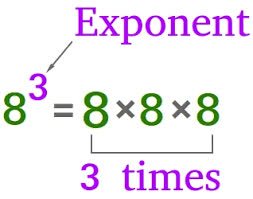
exponent

/ɪkˈspoʊ.nənt/

(noun) 倡导者, 拥护者, 代表

示例:

He was a leading exponent of the new economic theory.
他是新经济理论的主要倡导者

gag

/ɡæɡ/

(noun) 口枷, 束缚物, 笑话;

(verb) 堵住嘴, 束缚, 作呕

示例:

The kidnappers put a gag on the victim.
绑匪给受害者戴上了口枷

intransigence

/ɪnˈtræn.sə.dʒəns/

(noun) 不妥协, 顽固

示例:

The government's intransigence on the issue led to a prolonged strike.
政府在这一问题上的不妥协导致了长时间的罢工。

maverick

/ˈmæv.ɚ.ɪk/

(noun) 特立独行的人, 不合常规者, 独行侠;

(adjective) 特立独行的, 不合常规的, 独立的

示例:
He's always been a maverick, never afraid to challenge the status quo.
他一直是个特立独行的人,从不害怕挑战现状。

slant

/slænt/

(noun) 倾向, 偏见, 观点;

(verb) 倾斜, 斜向, 歪曲

示例:
The news report had a clear political slant.
这篇新闻报道有明显的政治倾向

syllogism

/ˈsɪl.ə.dʒɪ.zəm/

(noun) 三段论, 演绎推理

示例:

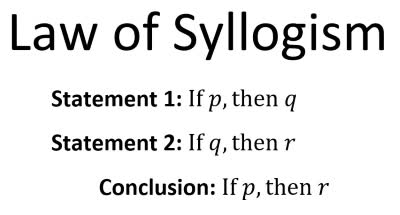
The philosopher presented a complex syllogism to prove his point.
这位哲学家提出了一个复杂的三段论来证明他的观点。

touché

/tuːˈʃeɪ/

(exclamation) 说得好, 一针见血, 中了

示例:

"You're late." "And you're not even dressed yet." "Touché."
“你迟到了。”“而你甚至还没穿好衣服。”“说得好。”

embroil

/ɪmˈbrɔɪl/

(verb) 使卷入, 使陷入

示例:

He became embroiled in a dispute between his two sisters.
卷入了他两个姐妹之间的争执。
在 Lingoland 学习此词汇集