词汇集 物理(属于 SAT科学词汇):完整且详细的清单
词汇集「物理」(属于「SAT科学词汇」)从国际标准教材来源精心挑选,帮助您在短时间内掌握词汇。全面汇整定义、例句及标准发音…
在 Lingoland 学习此词汇集
立即学习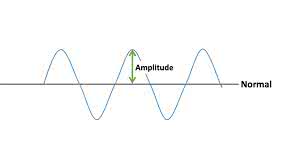
/ˈæm.plə.tuːd/
(noun) 振幅
示例:
The amplitude of the sound wave determines its loudness.
声波的振幅决定了它的响度。

/əˈkuː.stɪk/
(adjective) 声学的, 听觉的, 原声的;
(noun) 原声乐器, 不插电乐器
示例:
The concert hall has excellent acoustic properties.
音乐厅具有出色的声学特性。

/ˈsoʊ.nɑːr/
(noun) 声纳
示例:
The submarine used sonar to navigate through the deep ocean.
潜艇利用声纳在深海中航行。
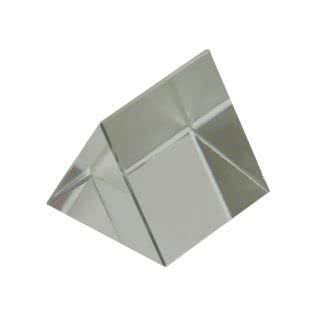
/ˈprɪz.əm/
(noun) 棱镜
示例:
The light was refracted as it passed through the glass prism.
光线穿过玻璃棱镜时发生折射。

/ˌɪn.frəˈred/

/ˌʌl.trəˈvaɪə.lət/

/flɔːˈres.əns/
(noun) 荧光
示例:
The minerals showed a bright green fluorescence under ultraviolet light.
这些矿物质在紫外线下显示出明亮的绿色荧光。

/spekˈtrɑː.mə.t̬ɚ/
(noun) 分光计, 光谱仪
示例:
The scientist used a spectrometer to identify the chemical composition of the sample.
科学家使用分光计来鉴定样品的化学成分。

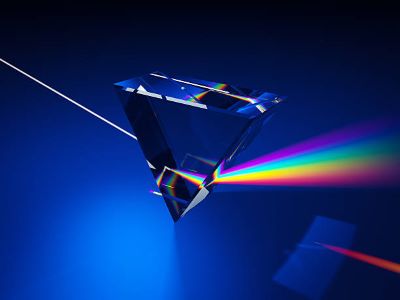
/rɪˈfrækt/
(verb) 折射
示例:
The prism will refract the light into a spectrum of colors.
棱镜会把光线折射成彩色光谱。
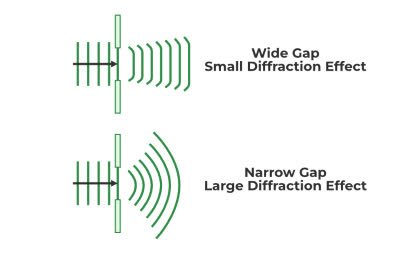
/dɪˈfræk.ʃən/
(noun) 衍射
示例:
Light diffraction causes the rainbow patterns seen on CDs.
光衍射导致CD上出现彩虹图案。
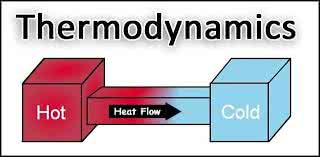
/ˌθɝː.moʊ.daɪˈnæm.ɪks/
(noun) 热力学
示例:
The first law of thermodynamics states that energy cannot be created or destroyed.
热力学第一定律指出能量既不能被创造也不能被毁灭。
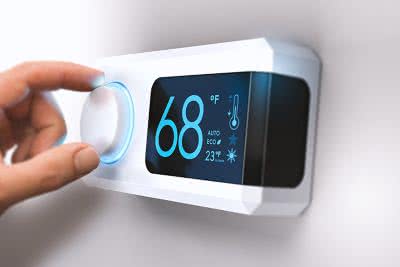
/ˈθɝː.mə.stæt/
(noun) 恒温器, 温度自动调节器
示例:
She adjusted the thermostat to make the room warmer.
她调整了恒温器,使房间更暖和。
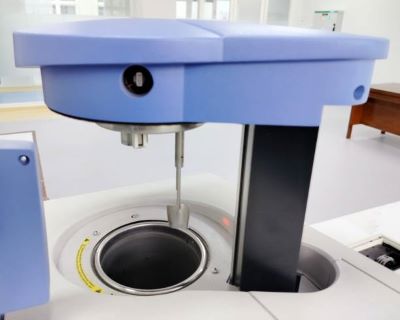
/ˌkæl.əˈrɪm.ə.t̬ɚ/
(noun) 热量计, 卡路里计
示例:
The scientist used a calorimeter to determine the energy content of the food sample.
科学家使用热量计来测定食物样品的能量含量。
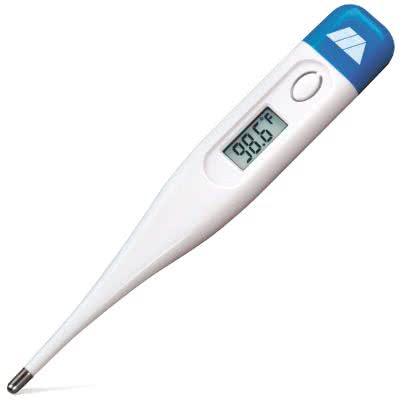
/θɚˈmɑː.mə.t̬ɚ/
(noun) 温度计, 体温计
示例:
The nurse used a thermometer to check the patient's temperature.
护士用体温计测量病人的体温。

/ˈmaɪ.kroʊ.tʃɪp/
(noun) 微芯片, 集成电路
示例:
The computer's performance is largely dependent on the speed of its microchip.
电脑的性能很大程度上取决于其微芯片的速度。
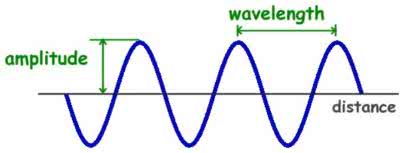
/ˈweɪv.leŋθ/
(noun) 波长, 思想, 频道
示例:
The color red has a longer wavelength than blue.
红色的波长比蓝色长。
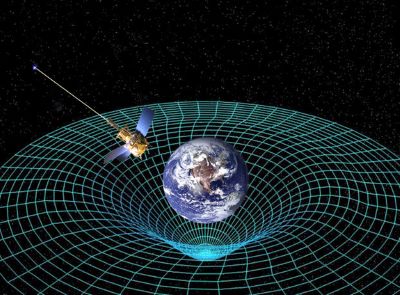
/ˌrel.əˈtɪv.ə.t̬i/
(noun) 相对性, 相对论
示例:
The concept of moral relativity suggests that right and wrong are not absolute.
道德相对论的概念表明,对错并非绝对。
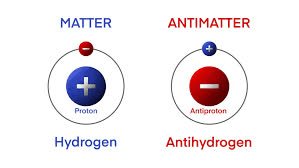
/ˈæn.t̬iˌmæt̬.ɚ/
(noun) 反物质
示例:
Scientists are studying antimatter to understand the early universe.
科学家正在研究反物质以了解早期宇宙。

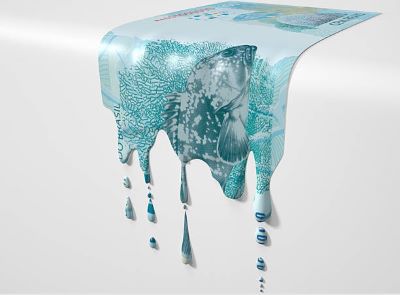
/ˈlɪk.wə.faɪ/
(verb) 液化, 溶解
示例:
Gases must be cooled to extremely low temperatures to liquefy.
气体必须冷却到极低温度才能液化。

/ˌsʌb.əˈtɑː.mɪk/
(adjective) 亚原子的
示例:
Physicists study subatomic particles to understand the fundamental nature of the universe.
物理学家研究亚原子粒子以了解宇宙的基本性质。

/nuːˈtriː.noʊ/
(noun) 中微子
示例:
Scientists detected a neutrino from a distant galaxy.
科学家探测到来自遥远星系的中微子。
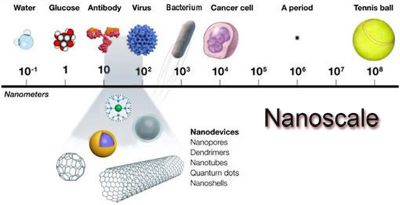
/ˈnænoʊˌskeɪl/
(noun) 纳米尺度, 纳米级;
(adjective) 纳米级的, 纳米尺度的
示例:
At the nanoscale, materials can exhibit very different physical properties.
在纳米尺度上,材料会表现出截然不同的物理特性。

/məˈtrɑː.lə.dʒi/
(noun) 计量学, 测量学
示例:
Metrology plays a crucial role in quality control for manufacturing.
计量学在制造业的质量控制中起着关键作用。
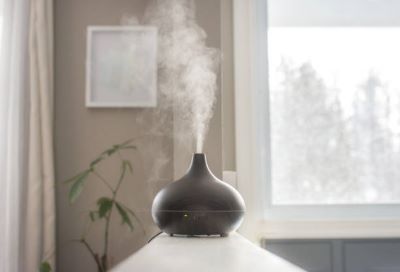
/dɪˈfjuːz/
(verb) 扩散, 传播, 漫射;
(adjective) 漫射的, 分散的, 冗长的
示例:
The scent of flowers diffused throughout the room.
花香弥漫了整个房间。

/ˈboʊ.sən/
(noun) 玻色子
示例:
The Higgs boson is sometimes called the 'God particle'.
希格斯玻色子有时被称为“上帝粒子”。

/kəˈlaɪ.dɚ/
(noun) 对撞机
示例:
The Large Hadron Collider is the world's largest and most powerful particle accelerator.
大型强子对撞机是世界上最大、能量最高的粒子加速器。