Avatar of Vocabulary Set 移动

词汇集 移动(属于 SAT科学词汇):完整且详细的清单

词汇集「移动」(属于「SAT科学词汇」)从国际标准教材来源精心挑选,帮助您在短时间内掌握词汇。全面汇整定义、例句及标准发音…

在 Lingoland 学习此词汇集

立即学习
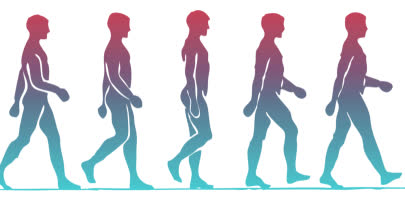
locomotion

/ˌloʊ.kəˈmoʊ.ʃən/

(noun) 移动, 运动

示例:

The flightless bird has a unique method of locomotion.
这种不会飞的鸟有一种独特的移动方式。

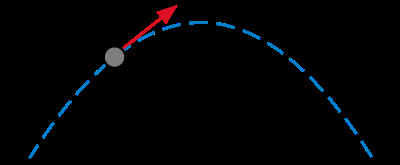
trajectory

/trəˈdʒek.tɚ.i/

(noun) 轨迹, 弹道, 发展方向

示例:

The missile's trajectory was carefully calculated.
导弹的弹道经过仔细计算。

progression

/prəˈɡreʃ.ən/

(noun) 进展, 发展, 演变

示例:

The disease showed a slow progression.
疾病表现出缓慢的进展

flux

/flʌks/

(noun) 流动, 流量, 变化;

(verb) 流动, 使流动

示例:
The constant flux of water over the rocks created a smooth surface.
水在岩石上持续的流动创造了一个光滑的表面。

propulsion

/prəˈpʌl.ʃən/

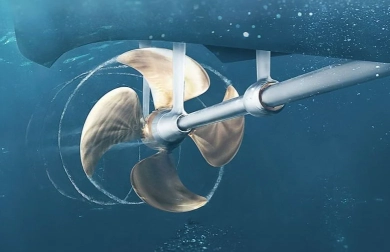
(noun) 推进, 推进力

示例:

The rocket uses liquid fuel for propulsion.
火箭使用液体燃料作为推进动力。

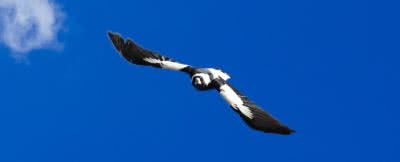
swoop

/swuːp/

(verb) 俯冲, 猛扑, 突袭;

(noun) 俯冲, 突袭

示例:

The eagle swooped down to catch its prey.
老鹰俯冲下来捕捉猎物。

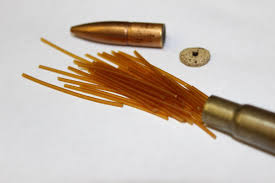
propellant

/prəˈpel.ənt/

(noun) 推进剂, 发射药

示例:

Liquid hydrogen is commonly used as a rocket propellant.
液氢通常被用作火箭推进剂

orientation

/ˌɔːr.i.enˈteɪ.ʃən/

(noun) 方向, 定位, 入职培训

示例:

He lost his orientation in the dense fog.
他在浓雾中失去了方向感

accelerate

/ekˈsel.ɚ.eɪt/

(verb) 加速, 促进

示例:

The car began to accelerate as it entered the highway.
汽车驶入高速公路后开始加速

circulate

/ˈsɝː.kjə.leɪt/

(verb) 循环, 流通, 流传

示例:

Blood circulates through the body.
血液在体内循环

maneuver

/məˈnuː.vɚ/

(noun) 机动, 策略, 计谋;

(verb) 操纵, 巧妙地移动, 巧妙地引导

示例:

The pilot performed a difficult aerial maneuver.
飞行员完成了一个困难的空中机动

flit

/flɪt/

(verb) 轻快地飞, 掠过, 频繁迁徙;

(noun) 轻飞, 掠过

示例:

Butterflies flitted among the flowers.
蝴蝶在花丛中轻快地飞舞

track

/træk/

(noun) 小径, 足迹, 轨道;

(verb) 追踪, 跟踪, 监测

示例:
The old logging track was overgrown with weeds.
那条旧的伐木小径杂草丛生。

swarm

/swɔːrm/

(noun) 群, 蜂群, 人群;

(verb) 群集, 蜂拥, 挤满

示例:

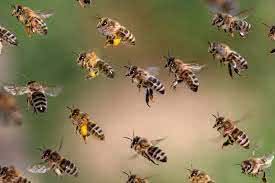
A swarm of bees attacked the picnic.
一群蜜蜂袭击了野餐。

seep

/siːp/

(verb) 渗透, 渗出;

(noun) 渗漏点, 渗出物

示例:

Water began to seep through the cracks in the wall.
水开始从墙上的裂缝中渗出

outpace

/ˌaʊtˈpeɪs/

(verb) 超过, 胜过

示例:

The company's growth continues to outpace its competitors.
公司的增长速度继续超过竞争对手。

waver

/ˈweɪ.vɚ/

(verb) 动摇, 犹豫, 踌躇

示例:

He started to waver on his decision to move abroad.
他开始对出国定居的决定动摇了。

align

/əˈlaɪn/

(verb) 对齐, 使成直线, 保持一致

示例:

Make sure to align the edges of the paper.
确保对齐纸张的边缘。

ooze

/uːz/

(verb) 渗出, 慢慢流出, 洋溢着;

(noun) 淤泥, 软泥

示例:

Blood began to ooze from the wound.
血液开始从伤口中渗出

invert

/ɪnˈvɝːt/

(verb) 使反转, 使倒置;

(noun) 倒错者, 内底

示例:

To release the cake, invert the pan onto a cooling rack.
要取出蛋糕,请将烤盘倒扣在冷却架上。

sweep

/swiːp/

(verb) 扫, 蜿蜒, 扫过;

(noun) 扫, 清扫, 弧度

示例:
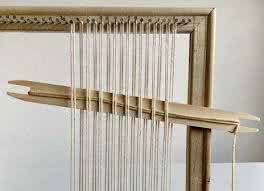
She used a broom to sweep the kitchen floor.
她用扫帚厨房的地板。

shuttle

/ˈʃʌt̬.əl/

(noun) 班车, 穿梭巴士, 航天飞机;

(verb) 往返, 穿梭

示例:

The hotel provides a free shuttle service to the airport.
酒店提供免费机场班车服务。

deviate

/ˈdiː.vi.eɪt/

(verb) 偏离, 背离

示例:

The plane had to deviate from its flight path due to bad weather.
由于恶劣天气,飞机不得不偏离其飞行路线。

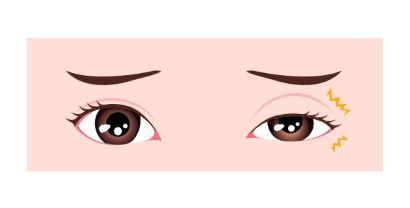
twitch

/twɪtʃ/

(verb) 抽搐, 抽动;

(noun) 抽搐, 抽动;

(trademark) Twitch

示例:
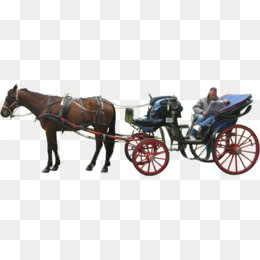
Her eyelid began to twitch because of stress.
由于压力,她的眼睑开始抽搐

cart

/kɑːrt/

(noun) 大车, 手推车, 购物车;

(verb) 用车运, 搬运

示例:

The farmer loaded hay onto the cart.
农民把干草装到大车上。

tilt

/tɪlt/

(verb) 倾斜, 歪斜;

(noun) 倾斜, 斜度

示例:

He tilted his head to one side, listening intently.
他把头歪向一边,仔细聆听。

rebound

/ˌriːˈbaʊnd/

(verb) 反弹, 弹回, 恢复;

(noun) 反弹, 恢复, 反弹球

示例:
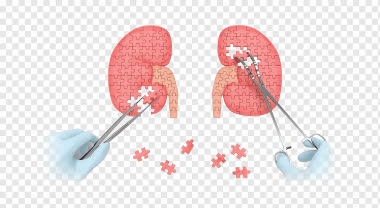
The ball rebounded off the wall.
球从墙上弹回

transplant

/trænˈsplænt/

(noun) 移植, 移栽植物, 移栽;

(verb) 移植, 移栽

示例:
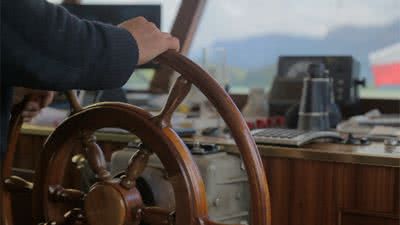
He received a heart transplant last year.
他去年接受了心脏移植

steer

/stɪr/

(verb) 驾驶, 掌舵, 引导;

(noun) 阉牛, 公牛

示例:

He managed to steer the car around the corner.
他设法驾驶汽车转过弯道。

meander

/miˈæn.dɚ/

(verb) 蜿蜒, 曲折, 漫步;

(noun) 蜿蜒, 曲折

示例:

The river meanders through the valley.
河流蜿蜒穿过山谷。

depress

/dɪˈpres/

(verb) 使沮丧, 使抑郁, 按下

示例:

The gloomy weather always depresses her.
阴沉的天气总是让她感到沮丧

hurtle

/ˈhɝː.t̬əl/

(verb) 猛冲, 飞驰

示例:

The car hurtled down the hill at a dangerous speed.
汽车以危险的速度从山上了下来。

siphon

/ˈsaɪ.fən/

(noun) 虹吸管;

(verb) 虹吸, 抽取, 挪用

示例:

He used a siphon to drain the water from the fish tank.
他用虹吸管排干了鱼缸里的水。

lug

/lʌɡ/

(verb) 费力搬运, 拖;

(noun) 凸耳, 手柄

示例:

I had to lug my heavy suitcase up three flights of stairs.
我不得不费力地把沉重的行李箱上三层楼。

gravitate

/ˈɡræv·ɪˌteɪt/

(verb) 倾向于, 被吸引, 受引力作用

示例:

Many young people gravitate toward the big cities in search of work.
许多年轻人为了找工作而倾向于去大城市。

flop

/flɑːp/

(noun) 失败, 惨败;

(verb) 扑通落下, 松弛下垂, 扑腾

示例:
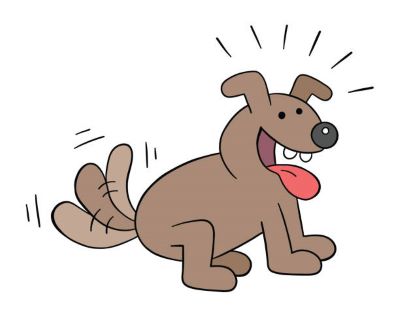
The movie was a complete flop at the box office.
这部电影在票房上彻底失败了。

wag

/wæɡ/

(verb) 摇摆, 摆动;

(noun) 摇动, 摆动, 爱开玩笑的人

示例:
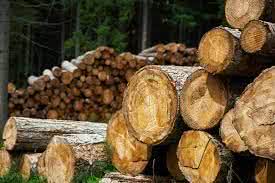
The dog began to wag its tail when it saw its owner.
狗看到主人时开始尾巴。

lumber

/ˈlʌm.bɚ/

(noun) 木材, 板材;

(verb) 笨重地移动, 缓慢地行走

示例:

We need to buy more lumber for the construction project.
我们需要为建筑项目购买更多的木材

swirl

/swɝːl/

(verb) 打旋, 晃动;

(noun) 漩涡, 打旋

示例:

The leaves swirled in the autumn wind.
树叶在秋风中打着旋

pivot

/ˈpɪv.ət/

(noun) 枢轴, 支点, 核心;

(verb) 旋转, 转动, 改变方向

示例:

The door swung open on its pivot.
门在它的枢轴上打开了。

diverge

/dɪˈvɝːdʒ/

(verb) 分岔, 偏离, 分歧

示例:

The two roads diverge at the top of the hill.
两条路在山顶分岔

intersect

/ˌɪn.t̬ɚˈsekt/

(verb) 相交, 交叉

示例:

The two roads intersect at the edge of the town.
这两条路在镇边缘交汇

divert

/dɪˈvɝːt/

(verb) 转移, 使转向, 转移注意力

示例:

The police diverted traffic away from the accident site.
警方疏导交通,使其远离事故现场。

jerky

/ˈdʒɝː.ki/

(noun) 肉干, 牛肉干;

(adjective) 生硬的, 不连贯的

示例:
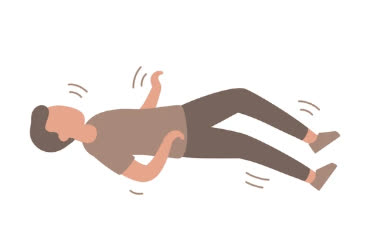
We packed some beef jerky for our hiking trip.
我们为徒步旅行准备了一些牛肉

convulsive

/kənˈvʌl.sɪv/

(adjective) 抽搐的, 阵发的

示例:

The patient suffered from convulsive seizures.
病人遭受了抽搐性发作。

tremulous

/ˈtrem.jə.ləs/

(adjective) 颤抖的, 哆嗦的

示例:

She spoke in a tremulous voice after hearing the news.
听到消息后,她用颤抖的声音说话。

clockwise

/ˈklɑːk.waɪz/

(adverb) 顺时针;

(adjective) 顺时针的

示例:

Turn the knob clockwise to open the safe.
顺时针转动旋钮以打开保险箱。
在 Lingoland 学习此词汇集