Avatar of Vocabulary Set 独特性

词汇集 独特性(属于 雅思通用词汇(5级)):完整且详细的清单

词汇集「独特性」(属于「雅思通用词汇(5级)」)从国际标准教材来源精心挑选,帮助您在短时间内掌握词汇。全面汇整定义、例句及标准发音…

在 Lingoland 学习此词汇集

立即学习
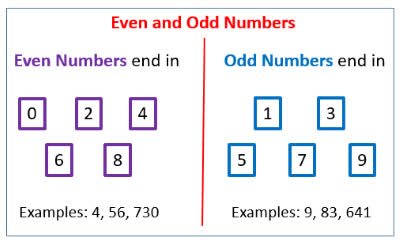
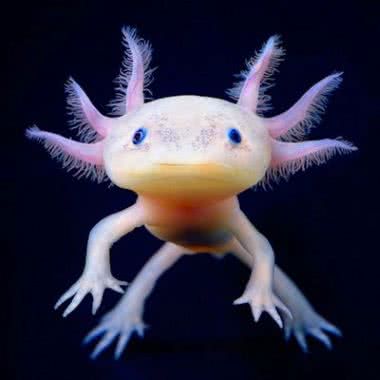
odd

/ɑːd/

(adjective) 奇怪的, 古怪的, 奇数

示例:

She found it odd that he didn't say hello.
她觉得他没打招呼很奇怪

strange

/streɪndʒ/

(adjective) 奇怪的, 陌生的, 不熟悉的

示例:

It's strange that he hasn't called yet.
他还没打电话,这很奇怪

weird

/wɪrd/

(adjective) 奇怪的, 古怪的

示例:

That was a weird dream I had last night.
我昨晚做了一个奇怪的梦。

unusual

/ʌnˈjuː.ʒu.əl/

(adjective) 不寻常的, 罕见的, 独特的

示例:

It's unusual for him to be late.
他迟到是不寻常的

different

/ˈdɪf.ɚ.ənt/

(adjective) 不同的, 相异的, 独立的

示例:

She wore a different dress to the party.
她穿了一件不同的裙子去派对。

unnatural

/ʌnˈnætʃ.ɚ.əl/

(adjective) 不自然的, 人工的, 反常的

示例:

The bright green color of the lake looked unnatural.
湖水鲜绿的颜色看起来很不自然

unfamiliar

/ʌn.fəˈmɪl.i.jɚ/

(adjective) 陌生, 不熟悉, 不了解

示例:

The landscape was completely unfamiliar to him.
这片风景对他来说完全陌生

singular

/ˈsɪŋ.ɡjə.lɚ/

(adjective) 单数, 独特的, 非凡的;

(noun) 单数

示例:

The word 'cat' is a singular noun.
“猫”这个词是单数名词。

only

/ˈoʊn.li/

(adverb) 只, 仅仅, 才;

(adjective) 唯一, 仅有的;

(conjunction) 只是, 不过

示例:
I only have five dollars left.
我只剩下五美元了。

original

/əˈrɪdʒ.ən.əl/

(adjective) 原始的, 最初的, 独创的;

(noun) 原作, 原件

示例:

The original plan was to leave early.
最初的计划是早点离开。

special

/ˈspeʃ.əl/

(adjective) 特殊的, 特别的, 专用的;

(noun) 特别节目, 专题片, 特色菜

示例:

This is a special occasion.
这是一个特殊的场合。

abnormal

/æbˈnɔːr.məl/

(adjective) 异常的, 不正常的

示例:

The patient's blood test results were abnormal.
病人的血液检查结果异常

unique

/juːˈniːk/

(adjective) 独一无二的, 独特的, 特别的

示例:

Each person's fingerprints are unique.
每个人的指纹都是独一无二的

exceptional

/ɪkˈsep.ʃən.əl/

(adjective) 异常的, 例外的, 非凡的

示例:

The weather today is quite exceptional for this time of year.
今天的天气对于一年中的这个时候来说相当异常

uncommon

/ʌnˈkɑː.mən/

(adjective) 不常见的, 罕见的

示例:

It's uncommon to see snow in this region.
在这个地区看到雪是不常见的

irregular

/ɪˈreɡ.jə.lɚ/

(adjective) 不规则的, 不平坦的, 异常的

示例:

The coastline is very irregular, with many coves and inlets.
海岸线非常不规则,有许多海湾和入口。

ordinary

/ˈɔːr.dən.er.i/

(adjective) 普通的, 平常的;

(noun) 普通, 平常

示例:

It was just an ordinary day at the office.
这只是办公室里普通的一天。

regular

/ˈreɡ.jə.lɚ/

(adjective) 定期的, 普通的, 规则的;

(noun) 常客, 老主顾

示例:

She makes regular visits to her grandmother.
定期去看望她的祖母。

standard

/ˈstæn.dɚd/

(noun) 标准, 水平, 旗帜;

(adjective) 标准, 普通

示例:

The hotel maintains a high standard of service.
这家酒店保持着高标准的服务。

everyday

/ˈev.ri.deɪ/

(adjective) 日常的, 普通的

示例:

This is my everyday jacket, I wear it all the time.
这是我的日常夹克,我一直穿着它。

usual

/ˈjuː.ʒu.əl/

(adjective) 通常的, 平常的, 惯常的

示例:

He took his usual seat at the back of the room.
他坐在房间后面平时的座位上。

normal

/ˈnɔːr.məl/

(adjective) 正常的, 普通的;

(noun) 正常, 常态

示例:
It's normal to feel nervous before a big presentation.
在大型演示前感到紧张是正常的。

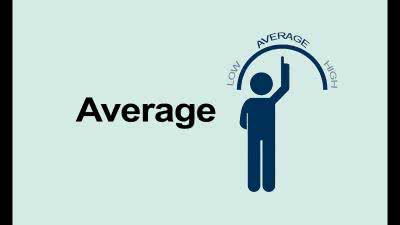
average

/ˈæv.ɚ.ɪdʒ/

(noun) 平均值, 平均数, 一般;

(adjective) 平均的, 普通的;

(verb) 平均为, 达到平均

示例:

The average score on the test was 75.
这次考试的平均分是75分。

familiar

/fəˈmɪl.i.jɚ/

(adjective) 熟悉的, 常见的, 熟悉

示例:

His face looked familiar, but I couldn't place him.
他的脸看起来很熟悉,但我记不起他是谁。

general

/ˈdʒen.ər.əl/

(adjective) 普遍的, 广泛的, 一般的;

(noun) 将军

示例:

There is a general feeling of optimism.
有一种普遍的乐观情绪。

common

/ˈkɑː.mən/

(adjective) 常见的, 普通的, 普遍的;

(noun) 平民, 老百姓, 公共土地

示例:
It's a common misconception that money buys happiness.
金钱能买到幸福是一种普遍的误解。

accepted

/əkˈsep.t̬ɪd/

(adjective) 公认的, 被接受的, 接受的;

(verb) 接受, 同意

示例:

It is an accepted fact that the Earth revolves around the Sun.
地球围绕太阳公转是一个公认的事实。
在 Lingoland 学习此词汇集