Avatar of Vocabulary Set 健康

词汇集 健康(属于 雅思学术词汇(6-7分)):完整且详细的清单

词汇集「健康」(属于「雅思学术词汇(6-7分)」)从国际标准教材来源精心挑选,帮助您在短时间内掌握词汇。全面汇整定义、例句及标准发音…

在 Lingoland 学习此词汇集

立即学习

vigorous

/ˈvɪɡ.ɚ.əs/

(adjective) 精力充沛的, 强健的, 有力的

示例:

She made a vigorous effort to finish the race.
她为完成比赛付出了巨大的努力。

sound

/saʊnd/

(noun) 声音, 响声, 海湾;

(verb) 发出声音, 鸣响, 听起来;

(adjective) 健全的, 完好的, 站得住脚的;

(adverb) 熟睡地, 彻底地

示例:

The sound of music filled the room.
音乐的声音充满了房间。

wholesome

/ˈhoʊl.səm/

(adjective) 有益健康的, 有益身心的, 积极向上的

示例:

Eating wholesome foods is essential for a healthy lifestyle.
食用有益健康的食物对于健康的生活方式至关重要。

hearty

/ˈhɑːr.t̬i/

(adjective) 爽朗的, 热情的, 丰盛的

示例:

He gave a hearty laugh.
他发出了爽朗的笑声。

hale and hearty

/ˌheɪl ən ˈhɑːr.t̬i/

(idiom) 身体健壮, 精神矍铄

示例:

My grandfather is 90 years old, but he's still hale and hearty.
我爷爷90岁了,但他仍然身体健壮

vital

/ˈvaɪ.t̬əl/

(adjective) 至关重要的, 必不可少的, 活泼的

示例:

It is vital that you keep accurate records.
保持准确的记录是至关重要的。

brisk

/brɪsk/

(adjective) 轻快的, 活泼的, 兴隆的

示例:

She set off at a brisk pace.
她以轻快的步伐出发了。

vibrant

/ˈvaɪ.brənt/

(adjective) 活泼的, 充满活力的, 鲜艳的

示例:

She has a vibrant personality.
她性格活泼

able-bodied

/ˌeɪ.bəlˈbɑː.did/

(adjective) 身体健全的, 强壮的

示例:

The charity provides jobs for both able-bodied and disabled workers.
该慈善机构为身体健全的工人和残疾工人提供工作。

faint

/feɪnt/

(noun) 昏厥, 晕倒;

(verb) 晕倒, 昏厥;

(adjective) 微弱的, 模糊的, 不清楚的

示例:
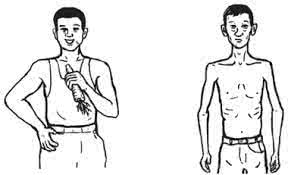
She had a sudden faint and collapsed.
她突然晕倒并倒下了。

wasted

/ˈweɪs.tɪd/

(adjective) 浪费的, 白费的, 虚弱的;

(past participle) 浪费, 虚度

示例:

It was a wasted opportunity to make a difference.
这是一个浪费的机会来做出改变。

unfit

/ʌnˈfɪt/

(adjective) 不适合的, 不合格的, 不健康的

示例:

The old building was declared unfit for human habitation.
这座旧建筑被宣布不适合人类居住。

pale

/peɪl/

(adjective) 苍白的, 浅色的, 脸色发白的;

(verb) 变苍白, 褪色, 黯然失色;

(noun) 界限, 范围

示例:

She wore a dress of pale blue.
她穿了一件蓝色的连衣裙。

diseased

/dɪˈziːzd/

(adjective) 患病的, 有病的

示例:

The doctor identified the diseased tissue.
医生确认了病变组织。

sickly

/ˈsɪk.li/

(adjective) 体弱多病的, 枯黄的, 令人作呕的

示例:

He was a sickly child who spent a lot of time in the hospital.
他是个体弱多病的孩子,在医院里度过了很多时间。

infirm

/ɪnˈfɝːm/

(adjective) 体弱的, 虚弱的

示例:

She was elderly and infirm, requiring constant care.
她年迈且体弱多病,需要不断的照顾。

frail

/freɪl/

(adjective) 虚弱的, 脆弱的, 易碎的

示例:

The old woman was too frail to walk without assistance.
这位老妇人太虚弱了,无法在没有帮助的情况下行走。

poorly

/ˈpʊr.li/

(adverb) 差, 糟糕地, 贫困地

示例:

He performed poorly on the exam.
他考试考得很差

under the weather

/ˈʌndər ðə ˈwɛðər/

(idiom) 不舒服, 身体不适

示例:

I'm feeling a bit under the weather today, so I might go home early.
我今天有点不舒服,所以可能会早点回家。

bedridden

/ˈbed.rɪd.ən/

(adjective) 卧床不起的

示例:

His grandmother has been bedridden for several years.
他的祖母已经卧床不起好几年了。

feverish

/ˈfiː.vər.ɪʃ/

(adjective) 发烧的, 热病的, 狂热的

示例:

She felt hot and feverish all night.
她整晚都感到发热和发烧

infected

/.ɪnˈfek.t̬ɪd/

(adjective) 感染的, 受感染的, 被病毒入侵的;

(verb) 感染, 传染

示例:

The wound became infected and required medical attention.
伤口感染了,需要医疗处理。

infectious

/ɪnˈfek.ʃəs/

(adjective) 传染性的, 感染性的, 有感染力的

示例:

The common cold is an infectious disease.
普通感冒是一种传染性疾病。

contagious

/kənˈteɪ.dʒəs/

(adjective) 传染性的, 有感染力的

示例:

The flu is highly contagious.
流感具有高度传染性

crippled

/ˈkrɪp.əld/

(adjective) 瘫痪的, 受损严重的, 残疾的

示例:

The country's crippled economy is struggling to recover.
该国瘫痪的经济正艰难复苏。

decrepit

/dɪˈkrep.ɪt/

(adjective) 破旧的, 衰老的, 破烂的

示例:

The decrepit building was finally demolished.
那栋破旧的建筑终于被拆除了。

listless

/ˈlɪst.ləs/

(adjective) 无精打采的, 倦怠的

示例:

He was feeling listless and didn't want to go out.
他感到无精打采,不想出门。

nauseous

/ˈnɑː.ʃəs/

(adjective) 恶心的, 想吐的, 令人作呕的

示例:

The smell of the rotten food made her feel nauseous.
腐烂食物的气味让她感到恶心

succumb

/səˈkʌm/

(verb) 屈服, 屈从, 死于

示例:

He finally succumbed to the temptation of a second slice of cake.
他最终屈服于第二块蛋糕的诱惑。

sustain

/səˈsteɪn/

(verb) 支撑, 支持, 维持

示例:

The pillars sustain the roof.
柱子支撑着屋顶。

torpid

/ˈtɔːr.pɪd/

(adjective) 迟钝的, 无精打采的, 停滞的

示例:

The hot weather made us feel torpid and unwilling to move.
炎热的天气让我们感到无精打采,不想动弹。
在 Lingoland 学习此词汇集