
词汇集 战争(属于 雅思学术词汇(5级)):完整且详细的清单
词汇集「战争」(属于「雅思学术词汇(5级)」)从国际标准教材来源精心挑选,帮助您在短时间内掌握词汇。全面汇整定义、例句及标准发音…
在 Lingoland 学习此词汇集
立即学习
/ˈbæt̬.əl/
(noun) 战役, 战斗, 斗争;
(verb) 战斗, 搏斗
示例:
The army won a decisive battle.
军队赢得了一场决定性的战役。

/ˈkɑːm.bæt/
(noun) 战斗, 作战;
(verb) 对抗, 打击
示例:
The soldiers were trained for close combat.
士兵们接受了近距离作战训练。
/ˈkæp.tən/
(noun) 船长, 机长, 队长;
(verb) 担任队长, 领导
示例:
The captain steered the ship through the storm.
船长驾驶船只穿过风暴。

/kəˈmæn.dɚ/
(noun) 指挥官, 司令, 指挥官 (海军军衔)
示例:
The commander ordered his troops to advance.
指挥官命令他的部队前进。
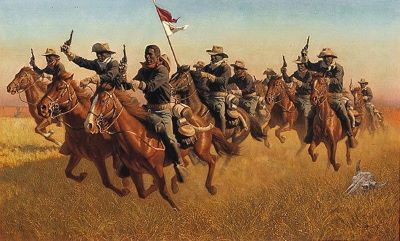
/ˈkæv.əl.ri/
(noun) 骑兵, 骑兵队
示例:
The general ordered the cavalry to charge the enemy.
将军命令骑兵冲锋敌人。

/ˈdʒen.ər.əl/
(adjective) 普遍的, 广泛的, 一般的;
(noun) 将军
示例:
There is a general feeling of optimism.
有一种普遍的乐观情绪。

/ˈtæk.tɪks/
(noun) 战术, 兵法, 策略
示例:
The general was praised for his brilliant battlefield tactics.
将军因其出色的战场战术而受到赞扬。

/rɪˈzɪs.təns/
(noun) 抵抗, 反抗, 抵抗力
示例:
The local population offered strong resistance to the invading army.
当地居民对入侵军队进行了强烈抵抗。
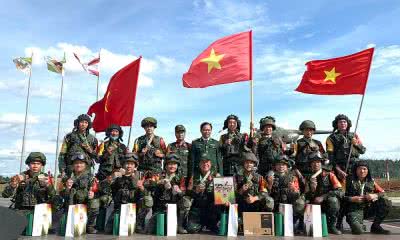

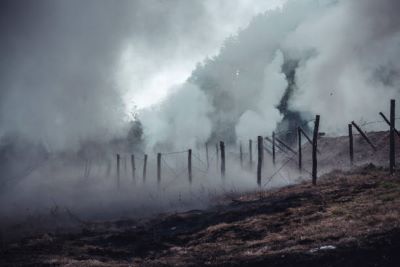
/ˈwɔːr zoʊn/
(noun) 战争地带, 战区
示例:
The journalists were reporting from the middle of a war zone.
记者们正在战争地带中心进行报道。

/ˈfrʌntˌlaɪn/
(noun) 前线, 第一线, 战线;
(adjective) 前线的, 第一线的
示例:
Nurses and doctors are on the frontline of the pandemic.
护士和医生处于疫情的前线。
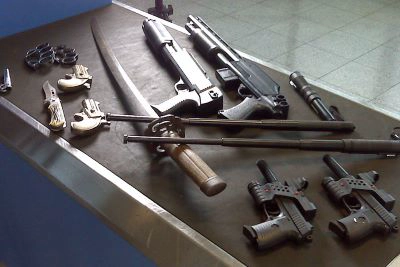
/ˈwep.ən/
(noun) 武器, 手段
示例:
The police found a dangerous weapon in his car.
警方在他的车里发现了一件危险的武器。

/piːs/
(noun) 和平, 宁静;
(exclamation) 平安, 再见
示例:
She found peace in the quiet countryside.
她在宁静的乡村找到了宁静。
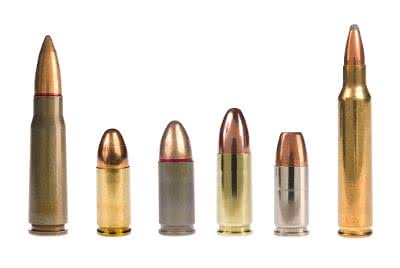
/ˈbʊl.ɪt/
(noun) 子弹, 弹头, 项目符号;
(verb) 飞驰, 疾驰
示例:
The detective found a spent bullet casing at the crime scene.
侦探在犯罪现场发现了一枚用过的子弹壳。
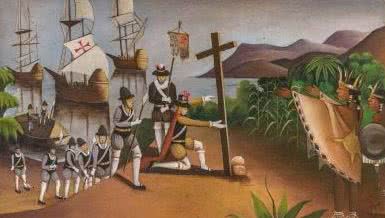
/ˌkɑː.lə.nəˈzeɪ.ʃən/
(noun) 殖民, 殖民化, 定植
示例:
The colonization of new territories often led to conflict.
新领土的殖民化常常导致冲突。

/ˈkɑːŋ.kwest/
(noun) 征服, 占领, 胜利
示例:
The Norman Conquest of England in 1066 changed the course of history.
1066年诺曼人对英格兰的征服改变了历史进程。

/ˌriː.ɪnˈfɔːrs.mənt/
(noun) 加强, 增援, 援兵
示例:
The bridge needed structural reinforcement to withstand the heavy traffic.
这座桥需要结构加固才能承受繁忙的交通。

/ˈʌpˌraɪ.zɪŋ/
(noun) 起义, 叛乱, 暴动
示例:
The government quickly suppressed the peasant uprising.
政府迅速镇压了农民起义。
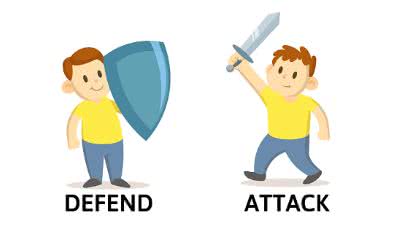
/əˈtæk/
(noun) 攻击, 袭击, 发作;
(verb) 攻击, 袭击, 抨击
示例:
The army launched a surprise attack on the enemy.
军队对敌人发动了突然袭击。



/rɪˈtriːt/
(verb) 撤退, 退却;
(noun) 撤退, 隐居地
示例:
The army was forced to retreat after heavy losses.
军队在遭受重大损失后被迫撤退。

/ˈkɑːŋ.kɚ/
(verb) 征服, 攻克, 克服
示例:
The Roman Empire sought to conquer new territories.
罗马帝国试图征服新的领土。
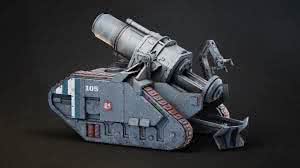
/bɑːmˈbɑːrd/
(verb) 轰炸, 炮击, 连珠炮似地向...提问
示例:
The enemy began to bombard the city with artillery.
敌人开始用大炮轰炸这座城市。

/ˈkæp.tʃɚ/
(verb) 捕获, 俘获, 占领;
(noun) 捕获, 俘获, 占领
示例:
The police managed to capture the suspect after a long chase.
警方经过长时间追捕,成功抓获了嫌疑人。


/ɪnˈveɪ.ʒən/
(noun) 入侵, 涌入, 侵略
示例:
The town experienced an invasion of tourists during the festival.
节日期间,小镇经历了游客的涌入。
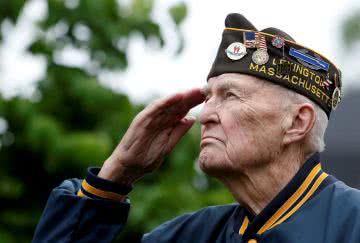
/ˈve.t̬ɚ.ən/
(noun) 资深人士, 老手, 退伍军人;
(adjective) 资深的, 经验丰富的
示例:
She is a veteran teacher with over 30 years of experience.
她是一位拥有30多年经验的资深教师。
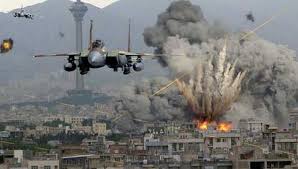
/bɑːmˈbɑːrd.mənt/
(noun) 轰炸, 炮击, 攻势
示例:
The city was under constant bombardment for three days.
这座城市连续三天遭受不断的轰炸。