
詞彙集 戰爭(屬於 雅思學術字彙(5級)):完整且詳細的清單
詞彙集「戰爭」(屬於「雅思學術字彙(5級)」)從國際標準教材來源精心挑選,幫助您在短時間內掌握詞彙。全面彙整定義、例句及標準發音…
在 Lingoland 學習此詞彙集
立即學習
/ˈbæt̬.əl/
(noun) 戰役, 戰鬥, 鬥爭;
(verb) 戰鬥, 搏鬥
範例:
The army won a decisive battle.
軍隊贏得了一場決定性的戰役。

/ˈkɑːm.bæt/
(noun) 戰鬥, 作戰;
(verb) 對抗, 打擊
範例:
The soldiers were trained for close combat.
士兵們接受了近距離作戰訓練。

/ˈkæp.tən/
(noun) 船長, 機長, 隊長;
(verb) 擔任隊長, 領導
範例:
The captain steered the ship through the storm.
船長駕駛船隻穿過風暴。

/kəˈmæn.dɚ/
(noun) 指揮官, 司令, 指揮官 (海軍軍銜)
範例:
The commander ordered his troops to advance.
指揮官命令他的部隊前進。
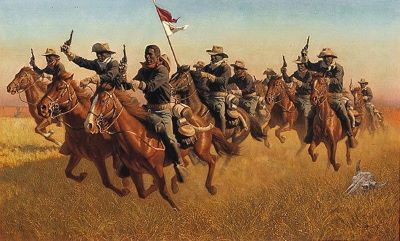
/ˈkæv.əl.ri/
(noun) 騎兵, 騎兵隊
範例:
The general ordered the cavalry to charge the enemy.
將軍命令騎兵衝鋒敵人。

/ˈdʒen.ər.əl/
(adjective) 普遍的, 廣泛的, 一般的;
(noun) 將軍
範例:
There is a general feeling of optimism.
有一種普遍的樂觀情緒。

/ˈtæk.tɪks/
(noun) 戰術, 兵法, 策略
範例:
The general was praised for his brilliant battlefield tactics.
將軍因其出色的戰場戰術而受到讚揚。

/rɪˈzɪs.təns/
(noun) 抵抗, 反抗, 抵抗力
範例:
The local population offered strong resistance to the invading army.
當地居民對入侵軍隊進行了強烈抵抗。
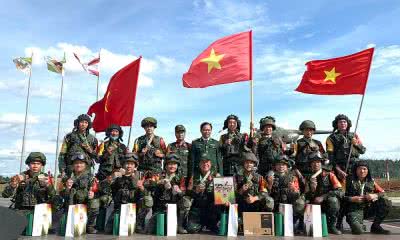

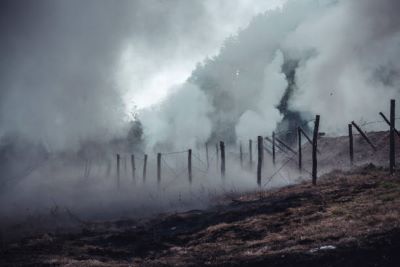
/ˈwɔːr zoʊn/
(noun) 戰爭地帶, 戰區
範例:
The journalists were reporting from the middle of a war zone.
記者們正在戰爭地帶中心進行報導。

/ˈfrʌntˌlaɪn/
(noun) 前線, 第一線, 戰線;
(adjective) 前線的, 第一線的
範例:
Nurses and doctors are on the frontline of the pandemic.
護士和醫生處於疫情的前線。
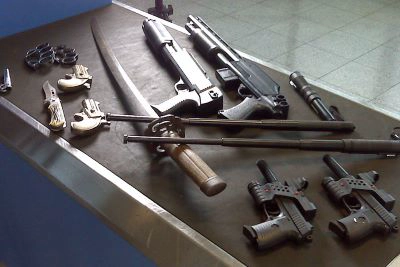
/ˈwep.ən/
(noun) 武器, 手段
範例:
The police found a dangerous weapon in his car.
警方在他的車裡發現了一件危險的武器。

/piːs/
(noun) 和平, 寧靜;
(exclamation) 平安, 再見
範例:
She found peace in the quiet countryside.
她在寧靜的鄉村找到了寧靜。
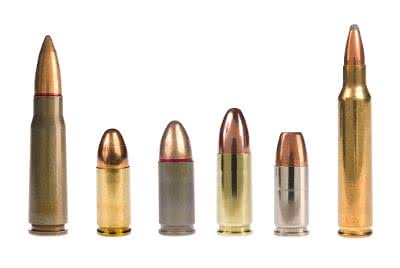
/ˈbʊl.ɪt/
(noun) 子彈, 彈頭, 項目符號;
(verb) 飛馳, 疾馳
範例:
The detective found a spent bullet casing at the crime scene.
偵探在犯罪現場發現了一枚用過的子彈殼。
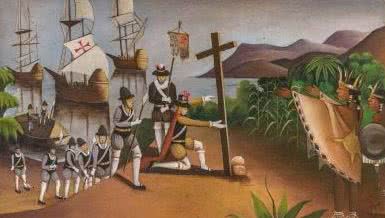
/ˌkɑː.lə.nəˈzeɪ.ʃən/
(noun) 殖民, 殖民化, 定植
範例:
The colonization of new territories often led to conflict.
新領土的殖民化常常導致衝突。

/ˈkɑːŋ.kwest/
(noun) 征服, 佔領, 勝利
範例:
The Norman Conquest of England in 1066 changed the course of history.
1066年諾曼人對英格蘭的征服改變了歷史進程。

/ˌriː.ɪnˈfɔːrs.mənt/
(noun) 加強, 增援, 援兵
範例:
The bridge needed structural reinforcement to withstand the heavy traffic.
這座橋需要結構加固才能承受繁忙的交通。

/ˈʌpˌraɪ.zɪŋ/
(noun) 起義, 叛亂, 暴動
範例:
The government quickly suppressed the peasant uprising.
政府迅速鎮壓了農民起義。
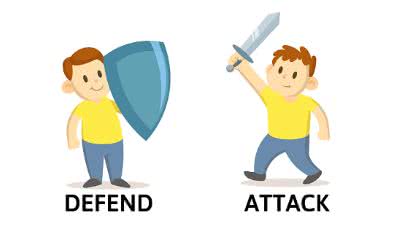
/əˈtæk/
(noun) 攻擊, 襲擊, 發作;
(verb) 攻擊, 襲擊, 抨擊
範例:
The army launched a surprise attack on the enemy.
軍隊對敵人發動了突然襲擊。



/rɪˈtriːt/
(verb) 撤退, 退卻;
(noun) 撤退, 隱居地
範例:
The army was forced to retreat after heavy losses.
軍隊在遭受重大損失後被迫撤退。

/ˈkɑːŋ.kɚ/
(verb) 征服, 攻克, 克服
範例:
The Roman Empire sought to conquer new territories.
羅馬帝國試圖征服新的領土。
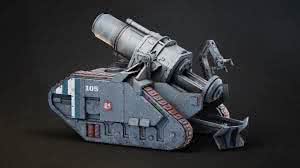
/bɑːmˈbɑːrd/
(verb) 轟炸, 炮擊, 連珠炮似地向...提問
範例:
The enemy began to bombard the city with artillery.
敵人開始用大炮轟炸這座城市。

/ˈkæp.tʃɚ/
(verb) 捕獲, 俘獲, 佔領;
(noun) 捕獲, 俘獲, 佔領
範例:
The police managed to capture the suspect after a long chase.
警方經過長時間追捕,成功抓獲了嫌疑人。


/ɪnˈveɪ.ʒən/
(noun) 入侵, 湧入, 侵略
範例:
The town experienced an invasion of tourists during the festival.
節日期間,小鎮經歷了遊客的湧入。

/ˈve.t̬ɚ.ən/
(noun) 資深人士, 老手, 退伍軍人;
(adjective) 資深的, 經驗豐富的
範例:
She is a veteran teacher with over 30 years of experience.
她是一位擁有30多年經驗的資深教師。
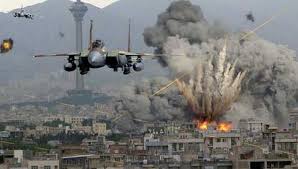
/bɑːmˈbɑːrd.mənt/
(noun) 轟炸, 炮擊, 攻勢
範例:
The city was under constant bombardment for three days.
這座城市連續三天遭受不斷的轟炸。