
词汇集 第七单元:你如何学习英语?(属于 五年级):完整且详细的清单
词汇集「第七单元:你如何学习英语?」(属于「五年级」)从国际标准教材来源精心挑选,帮助您在短时间内掌握词汇。全面汇整定义、例句及标准发音…
在 Lingoland 学习此词汇集
立即学习



/riːd/
(verb) 读, 阅读, 理解;
(noun) 阅读, 读物
示例:
She loves to read books in her free time.
她喜欢在空闲时间阅读书籍。

/raɪt/
(verb) 写, 创作, 撰写
示例:
Please write your name clearly at the top of the form.
请在表格顶部清晰地写下您的名字。

/voʊˈkæb.jə.ler.i/
(noun) 词汇, 词汇量, 词汇表
示例:
She has an extensive English vocabulary.
她有丰富的英语词汇量。
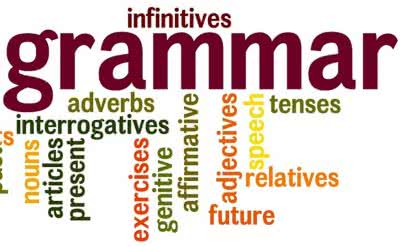
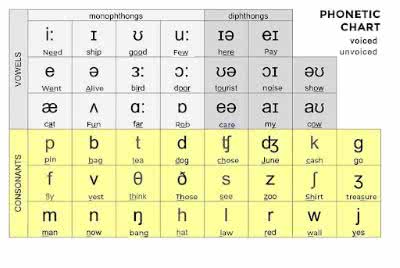
/foʊˈnet̬.ɪks/
(noun) 语音学
示例:
She is studying phonetics to improve her pronunciation.
她正在学习语音学以提高发音。

/ˈnoʊt.bʊk/
(noun) 笔记本, 记事本, 笔记本电脑
示例:
She always carries a small notebook to jot down ideas.
她总是随身带着一个小笔记本,以便记下想法。

/ˈstɔːr.i/
(noun) 故事, 传说, 报道
示例:
She told us a fascinating story about her travels.
她给我们讲了一个关于她旅行的精彩故事。



/ˈfɔːr.ən/
(adjective) 外国的, 异国的, 陌生的
示例:
She speaks three foreign languages fluently.
她能流利地说三种外语。


/ˈfeɪ.vər.ət/
(adjective) 最喜欢的, 最爱的;
(noun) 最爱, 宠儿
示例:
What's your favorite color?
你最喜欢的颜色是什么?


/kəˌmjuː.nəˈkeɪ.ʃən/
(noun) 沟通, 交流, 信息
示例:
Effective communication is key to a successful team.
有效的沟通是成功团队的关键。

/ˈnes.ə.ser.i/
(adjective) 必要的, 必需的, 不可或缺的;
(noun) 必要的东西, 必需品
示例:
It is necessary to obtain a visa before traveling to that country.
前往该国旅行前,必须获得签证。

/ɡes/
(verb) 猜测, 估计;
(noun) 猜测, 估计
示例:
Can you guess how many candies are in the jar?
你能猜出罐子里有多少糖果吗?
/ˈmiː.nɪŋ/
(noun) 意义, 含义, 价值
示例:
The meaning of the word 'serendipity' is the occurrence and development of events by chance in a happy or beneficial way.
“serendipity”这个词的意思是偶然地以一种幸福或有益的方式发生和发展事件。

/stɪk/
(noun) 棍子, 枝条, 杆;
(verb) 粘贴, 粘附, 刺
示例:
He picked up a stick from the ground.
他从地上捡起一根棍子。

/ˈpræk.tɪs/
(noun) 实践, 实行, 习惯;
(verb) 练习, 训练, 信奉
示例:
It's a good theory, but it won't work in practice.
这是一个好理论,但在实践中行不通。


/ˈsʌb.dʒekt/
(noun) 主题, 话题, 科目;
(verb) 使服从, 使遭受;
(adjective) 易受...影响的, 取决于
示例:
The main subject of the meeting was the new budget.
会议的主要议题是新预算。