Avatar of Vocabulary Set A1 - 字母 S

词汇集 A1 - 字母 S(属于 Oxford 3000 - A1):完整且详细的清单

词汇集「A1 - 字母 S」(属于「Oxford 3000 - A1」)从国际标准教材来源精心挑选,帮助您在短时间内掌握词汇。全面汇整定义、例句及标准发音…

在 Lingoland 学习此词汇集

立即学习


sad

/sæd/

(adjective) 悲伤的, 难过的, 可悲的

示例:

She felt sad after hearing the news.
听到这个消息后,她感到很悲伤

salad

/ˈsæl.əd/

(noun) 沙拉, 色拉

示例:

I ordered a fresh green salad with grilled chicken.
我点了一份新鲜的蔬菜沙拉配烤鸡。

salt

/sɑːlt/

(noun) 盐, 化合物;

(verb) 加盐, 腌制

示例:

Add a pinch of salt to the soup for flavor.
在汤里加一小撮调味。

same

/seɪm/

(adjective) 相同, 一样, 同样;

(pronoun) 一样, 同样;

(adverb) 一样, 同样地

示例:
We have the same car.
我们有相同的汽车。

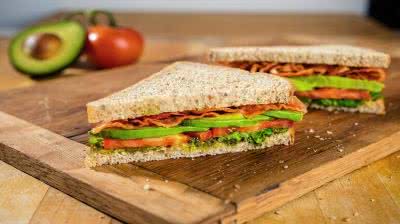
sandwich

/ˈsæn.wɪtʃ/

(noun) 三明治;

(verb) 夹住, 塞进

示例:

I'll have a ham and cheese sandwich for lunch.
我午餐要一个火腿芝士三明治

saturday

/ˈsæt̬.ɚ.deɪ/

(noun) 星期六, 周六

示例:

We're going to the beach on Saturday.
我们星期六要去海滩。

say

/seɪ/

(verb) 说, 讲, 表示;

(noun) 发言权, 决定权

示例:

He didn't say anything.
他什么也没

school

/skuːl/

(noun) 学校, 上学时间, 学期;

(verb) 教育, 训练

示例:

My daughter starts school next year.
我女儿明年开始上

science

/ˈsaɪ.əns/

(noun) 科学, 学科

示例:

The study of science is essential for understanding the world around us.
科学研究对于理解我们周围的世界至关重要。

scientist

/ˈsaɪ.ən.tɪst/

(noun) 科学家

示例:

The scientist conducted experiments to test the hypothesis.
这位科学家进行了实验来验证假设。

sea

/siː/

(noun) 海, 海洋, 湖

示例:

The ship sailed across the vast sea.
船只航行在浩瀚的大海上。

second

/ˈsek.ənd/

(noun) 秒, 第二, 第二名;

(ordinal number) 第二;

(verb) 附议, 赞成

示例:
The race was won by a mere second.
比赛仅以一之差获胜。

section

/ˈsek.ʃən/

(noun) 部分, 章节, 部;

(verb) 划分, 切片

示例:

The book has a large section on local history.
这本书有一个关于当地历史的很大部分

see

/siː/

(verb) 看见, 看到, 明白;

(noun) 教区, 主教辖区;

(exclamation) 看, 明白

示例:

Can you see the mountains from here?
你能从这里看到山吗?

sell

/sel/

(verb) 卖, 销售, 推销;

(noun) 骗局, 欺骗

示例:

They decided to sell their old car.
他们决定卖掉他们的旧车。

send

/send/

(verb) 发送, 寄送, 使...移动

示例:

I will send you an email with the details.
我将发送一封包含详细信息的电子邮件给你。

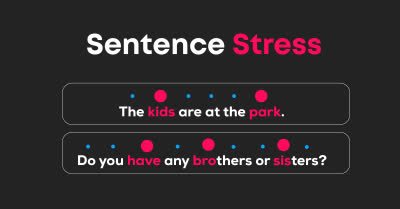
sentence

/ˈsen.təns/

(noun) 句子, 判决, 刑罚;

(verb) 判决, 宣判

示例:

Please write a complete sentence.
请写一个完整的句子

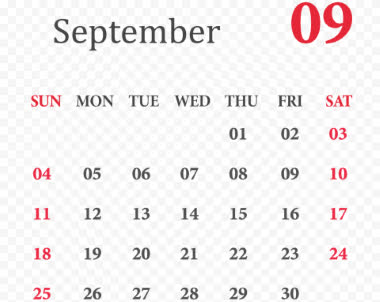
september

/sepˈtem.bɚ/

(noun) 九月

示例:

Her birthday is in September.
她的生日在九月

seven

/ˈsev.ən/

(number)

示例:

There are seven days in a week.
一周有天。

seventeen

/ˌsev.ənˈtiːn/

(number) 十七

示例:

She is seventeen years old.
十七岁了。

seventy

/ˈsev.ən.t̬i/

(number) 七十

示例:

She is seventy years old.
七十岁了。

share

/ʃer/

(noun) 份额, 部分, 股票;

(verb) 分享, 分担, 告知

示例:
Everyone received an equal share of the profits.
每个人都得到了等额的利润份额

she

/ʃiː/

(pronoun) 她;

(noun) 她, 女性

示例:

My sister is coming over. She wants to see you.
我姐姐要来了。想见你。

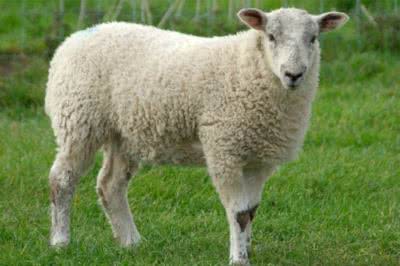
sheep

/ʃiːp/

(noun) 羊, 随大流的人, 盲从者

示例:

The farmer led his flock of sheep to the pasture.
农民把他的群赶到牧场。

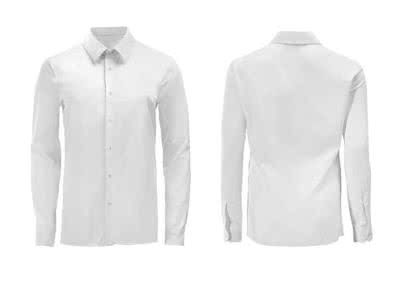
shirt

/ʃɝːt/

(noun) 衬衫, T恤

示例:

He wore a blue shirt to the office.
他穿着一件蓝色衬衫去办公室。

shoe

/ʃuː/

(noun) 鞋;

(verb) 钉蹄铁

示例:

She bought a new pair of shoes for the party.
她为派对买了一双新

shop

/ʃɑːp/

(noun) 商店, 店铺, 车间;

(verb) 购物, 买东西, 告发

示例:

I need to go to the grocery shop.
我需要去杂货

shopping

/ˈʃɑː.pɪŋ/

(noun) 购物;

(verb) 购物

示例:

I love going shopping for new clothes.
我喜欢去买新衣服。

short

/ʃɔːrt/

(adjective) 短的, 短暂的, 短缺的;

(adverb) 突然地, 骤然地;

(verb) 借给, 提供贷款

示例:

She has short hair.
她留着发。

should

/ʃʊd/

(modal verb) 应该, 应当, 可能

示例:

You should apologize for your behavior.
应该为你的行为道歉。

show

/ʃoʊ/

(verb) 显示, 展示, 出示;

(noun) 表演, 节目, 作秀

示例:

He likes to show off his new car.
他喜欢炫耀他的新车。

shower

/ˈʃaʊ.ɚ/

(noun) 淋浴, 淋浴器, 洗澡;

(verb) 淋浴, 洗澡, 洒落

示例:

I need to fix the leaky shower head.
我需要修理漏水的淋浴头。

sick

/sɪk/

(adjective) 生病的, 恶心的, 酷;

(verb) 呕吐, 吐

示例:

I feel sick, I think I ate something bad.
我感觉不舒服,我想我吃了不好的东西。

similar

/ˈsɪm.ə.lɚ/

(adjective) 相似的, 类似的

示例:

The two paintings are very similar in style.
这两幅画的风格非常相似

sing

/sɪŋ/

(verb) 唱歌, 鸣叫, 歌唱

示例:

She loves to sing in the shower.
她喜欢在淋浴时唱歌

singer

/ˈsɪŋ.ɚ/

(noun) 歌手

示例:

She is a talented singer with a powerful voice.
她是一位嗓音洪亮的才华横溢的歌手

sister

/ˈsɪs.tɚ/

(noun) 姐妹, 姐姐, 妹妹

示例:

My older sister lives in London.
我的姐姐住在伦敦。

sit

/sɪt/

(verb) 坐, 坐下, 担任;

(noun) 坐, 坐姿

示例:

Please sit down.
下。

situation

/ˌsɪtʃ.uˈeɪ.ʃən/

(noun) 情况, 局面, 形势

示例:

The economic situation is improving.
经济形势正在好转。

six

/sɪks/

(number)

示例:

There are six apples in the basket.
篮子里有个苹果。

sixteen

/ˌsɪkˈstiːn/

(number) 十六

示例:

She is sixteen years old.
十六岁了。

sixty

/ˈsɪk.sti/

(number) 六十;

(plural noun) 六十年代

示例:

She is sixty years old.
六十岁了。

skill

/skɪl/

(noun) 技能, 技巧

示例:

He has excellent communication skills.
他有出色的沟通技巧

skirt

/skɝːt/

(noun) 裙子, 裙摆, 下摆;

(verb) 绕过, 沿着, 回避

示例:

She wore a long, flowing skirt to the party.
她穿着一条飘逸的长去参加派对。

sleep

/sliːp/

(noun) 睡眠;

(verb) 睡觉

示例:

I need to get more sleep.
我需要多睡觉

slow

/sloʊ/

(adjective) 慢的, 迟钝的, 笨的;

(adverb) 慢地;

(verb) 减速, 放慢

示例:

The car was going too slow.
车开得太了。

small

/smɑːl/

(adjective) 小的, 少的, 不重要的;

(adverb) 小, 细

示例:

She lives in a small house.
她住在一所房子里。

snake

/sneɪk/

(noun) 蛇, 阴险小人, 两面派;

(verb) 蜿蜒, 曲折, 偷偷摸摸地行动

示例:

A venomous snake slithered through the grass.
一条毒在草丛中滑行。

snow

/snoʊ/

(noun) 雪;

(verb) 下雪

示例:

The children were excited to see the first snow of the winter.
孩子们看到冬天的第一场都很兴奋。

so

/soʊ/

(adverb) 这么, 如此, 确实;

(conjunction) 所以, 因此

示例:

Why are you so sad?
你为什么这么伤心?

some

/sʌm/

(determiner) 一些, 若干, 某个;

(pronoun) 一些, 若干;

(adverb) 某种, 相当

示例:

I need some time to think.
我需要一些时间思考。

somebody

/ˈsʌmˌbɑː.di/

(pronoun) 有人, 某人, 人物

示例:

Somebody left the door open.
有人把门开着。

someone

/ˈsʌm.wʌn/

(pronoun) 有人, 某人;

(noun) 人物, 重要人物

示例:

Someone left the door open.
有人把门开着。

something

/ˈsʌm.θɪŋ/

(pronoun) 一些东西, 某物, 了不起的人;

(adverb) 有点, 稍微

示例:
I need something to write with.
我需要一些东西来写字。

sometimes

/ˈsʌm.taɪmz/

(adverb) 有时, 偶尔

示例:

Sometimes I like to read a book before bed.
有时我喜欢在睡前读一本书。

son

/sʌn/

(noun) 儿子, 后代

示例:

Their son is studying abroad.
他们的儿子在国外学习。

song

/sɑːŋ/

(noun) 歌曲, 歌, 歌唱

示例:

She sang a beautiful song.
她唱了一首美妙的

soon

/suːn/

(adverb) 很快, 不久, 早

示例:

I'll be home soon.
很快就到家。

sorry

/ˈsɔːr.i/

(adjective) 抱歉, 遗憾, 难过;

(exclamation) 抱歉, 对不起

示例:

I'm sorry for the mistake I made.
我对我的错误感到抱歉

sound

/saʊnd/

(noun) 声音, 响声, 海湾;

(verb) 发出声音, 鸣响, 听起来;

(adjective) 健全的, 完好的, 站得住脚的;

(adverb) 熟睡地, 彻底地

示例:

The sound of music filled the room.
音乐的声音充满了房间。

soup

/suːp/

(noun)

示例:

She made a delicious chicken soup for dinner.
她做了一碗美味的鸡肉作为晚餐。

south

/saʊθ/

(noun) 南;

(adjective) 南方的;

(adverb) 向南

示例:

The birds fly south for the winter.
鸟儿们冬天飞往南方

space

/speɪs/

(noun) 空间, 地方, 太空;

(verb) 间隔, 分开

示例:

There's not enough space for all these books.
没有足够的空间放这些书。

speak

/spiːk/

(verb) 说, 讲, 发表演讲

示例:

He didn't speak a word.
他一句话也没

special

/ˈspeʃ.əl/

(adjective) 特殊的, 特别的, 专用的;

(noun) 特别节目, 专题片, 特色菜

示例:
This is a special occasion.
这是一个特殊的场合。

spell

/spel/

(verb) 拼写, 意味着, 预示着;

(noun) 咒语, 魔力, 一段时间

示例:

Can you spell your name for me?
你能为我拼写你的名字吗?

spelling

/ˈspel.ɪŋ/

(noun) 拼写, 拼法, 写法

示例:

Her spelling is excellent.
她的拼写很棒。

spend

/spend/

(verb) 花钱, 花费, 度过;

(noun) 开支, 花费

示例:

How much did you spend on your new car?
你买新车花了多少钱?

sport

/spɔːrt/

(noun) 运动, 体育, 运动员;

(verb) 佩戴, 炫耀

示例:

Football is a popular sport.
足球是一项受欢迎的运动

spring

/sprɪŋ/

(noun) 春天, 弹簧, 泉;

(verb) 跳, 跃, 源于

示例:

Flowers bloom beautifully in spring.
花朵在春天美丽绽放。

stand

/stænd/

(verb) 站立, 站着, 放置;

(noun) 支架, 架子, 立场

示例:

Please stand when the judge enters.
法官进来时请站起来

star

/stɑːr/

(noun) 星星, 恒星, 明星;

(verb) 主演, 担任主角;

(adjective) 出色, 优秀

示例:

The night sky was filled with twinkling stars.
夜空布满了闪烁的星星

start

/stɑːrt/

(noun) 开始, 起点, 出发;

(verb) 开始, 启动, 创办

示例:

The race will start at 10 AM.
比赛将在上午10点开始

statement

/ˈsteɪt.mənt/

(noun) 声明, 陈述, 对账单

示例:

The witness gave a detailed statement to the police.
证人向警方提供了详细的陈述

station

/ˈsteɪ.ʃən/

(noun) 车站, 站, 所;

(verb) 驻扎, 安置

示例:

I'll meet you at the train station.
我在火车站等你。

stay

/steɪ/

(verb) 停留, 逗留, 保持;

(noun) 逗留, 住宿

示例:

Please stay here until I return.
在这里直到我回来。

still

/stɪl/

(adverb) 仍然, 还, 尽管如此;

(adjective) 静止的, 不动的;

(noun) 剧照, 静态图片;

(verb) 使平静, 使安静

示例:
It's still raining outside.
外面还在下雨。

stop

/stɑːp/

(noun) 停止, 结束, 车站;

(verb) 停止, 阻止, 中止

示例:

The car came to a sudden stop.
汽车突然停了下来。

story

/ˈstɔːr.i/

(noun) 故事, 传说, 报道

示例:

She told us a fascinating story about her travels.
她给我们讲了一个关于她旅行的精彩故事

street

/striːt/

(noun) 街道, 马路, 街坊

示例:

The children were playing in the street.
孩子们在街上玩耍。

strong

/strɑːŋ/

(adjective) 强壮的, 有力的, 坚固的

示例:

He is a very strong man.
他是一个非常强壮的男人。

student

/ˈstuː.dənt/

(noun) 学生, 学员

示例:

The new student quickly made friends.
学生很快就交到了朋友。

study

/ˈstʌd.i/

(noun) 学习, 研究, 书房;

(verb) 学习, 研究, 考察

示例:

She spent all night studying for her exams.
她通宵学习准备考试。

style

/staɪl/

(noun) 风格, 样式, 方式;

(verb) 设计, 造型, 打扮

示例:

The new building has a modern style.
新建筑具有现代风格

subject

/ˈsʌb.dʒekt/

(noun) 主题, 话题, 科目;

(verb) 使服从, 使遭受;

(adjective) 易受...影响的, 取决于

示例:

The main subject of the meeting was the new budget.
会议的主要议题是新预算。

success

/səkˈses/

(noun) 成功, 成就, 成功者

示例:

Her hard work led to the success of the project.
她的努力促成了项目的成功

sugar

/ˈʃʊɡ.ɚ/

(noun) 糖, 亲爱的, 宝贝;

(verb) 加糖, 使...变甜

示例:

Add two spoons of sugar to your coffee.
在咖啡里加两勺

summer

/ˈsʌm.ɚ/

(noun) 夏天;

(verb) 度夏

示例:

We usually go on vacation in the summer.
我们通常在夏天去度假。

sun

/sʌn/

(noun) 太阳, 阳光, 日照;

(verb) 晒太阳, 晒

示例:

The sun is shining brightly today.
今天太阳很亮。

sunday

/ˈsʌn.deɪ/

(noun) 星期日, 周日

示例:

We usually go to church on Sunday mornings.
我们通常在星期日早上做礼拜。

supermarket

/ˈsuː.pɚˌmɑːr.kɪt/

(noun) 超市

示例:

I need to go to the supermarket to buy groceries.
我需要去超市买菜。

sure

/ʃʊr/

(adjective) 肯定, 确定, 确信;

(adverb) 确实, 当然;

(exclamation) 当然, 好的

示例:
It's sure to rain later.
等会儿肯定会下雨。

sweater

/ˈswet̬.ɚ/

(noun) 毛衣, 套头衫

示例:

She wore a warm wool sweater.
她穿了一件暖和的羊毛毛衣

swim

/swɪm/

(verb) 游泳, 发晕, 眩晕;

(noun) 游泳

示例:

I love to swim in the ocean.
我喜欢在海里游泳

swimming

/ˈswɪm.ɪŋ/

(noun) 游泳;

(adjective) 游泳的, 眩晕的

示例:

She goes swimming every morning.
她每天早上都去游泳
在 Lingoland 学习此词汇集