Avatar of Vocabulary Set Top 26 - 50 Adverbs

词汇集 Top 26 - 50 Adverbs(属于 500个最常见的英语副词):完整且详细的清单

词汇集「Top 26 - 50 Adverbs」(属于「500个最常见的英语副词」)从国际标准教材来源精心挑选,帮助您在短时间内掌握词汇。全面汇整定义、例句及标准发音…

在 Lingoland 学习此词汇集

立即学习


maybe

/ˈmeɪ.bi/

(adverb) 也许, 可能

示例:

Maybe I'll go to the party, maybe I won't.
也许我会去派对,也许不会。

never

/ˈnev.ɚ/

(adverb) 从不, 绝不, 一点也不

示例:

I have never been to Paris.
从没去过巴黎。

always

/ˈɑːl.weɪz/

(adverb) 总是, 一直, 永远

示例:

She always arrives on time.
总是准时到达。

back

/bæk/

(noun) 背部, 背面, 后面;

(adverb) 向后, 往回, 回来;

(adjective) 后面的, 背面的;

(verb) 后退, 支持, 资助

示例:

He lay on his back, looking up at the stars.
他仰卧着,看着星星。

most

/moʊst/

(determiner) 大多数, 大部分;

(adverb) 最, 非常;

(pronoun) 最多, 大部分

示例:

Most people agree with the decision.
大多数人同意这个决定。

all

/ɑːl/

(determiner) 所有, 全部;

(pronoun) 一切, 所有;

(adverb) 完全, 全然

示例:

She ate all the cake.
她吃了所有的蛋糕。

probably

/ˈprɑː.bə.bli/

(adverb) 可能, 大概

示例:

It's probably going to rain later.
可能稍后会下雨。

pretty

/ˈprɪt̬.i/

(adjective) 漂亮, 好看;

(adverb) 相当, 很

示例:

She wore a pretty dress to the party.
她穿了一件漂亮的裙子去参加派对。

ever

/ˈev.ɚ/

(adverb) 曾经, 永远, 究竟

示例:

Have you ever been to Paris?
曾经去过巴黎吗?

all right

/ɔːl ˈraɪt/

(adjective) 还行, 没问题, 可以;

(adverb) 还行, 顺利地

示例:

The movie was all right, but not great.
这部电影还行,但不是很好。

already

/ɑːlˈred.i/

(adverb) 已经, 早已, 这么快

示例:

She has already finished her homework.
已经完成作业了。

of course

/əv kɔːrs/

(phrase) 当然, 自然, 可以

示例:

Are you coming to the party? Of course!
你来参加派对吗?当然

about

/əˈbaʊt/

(preposition) 关于, 对于, 大约;

(adverb) 几乎, 即将;

(adjective) 在场, 存在

示例:

What are you talking about?
你在说什么?
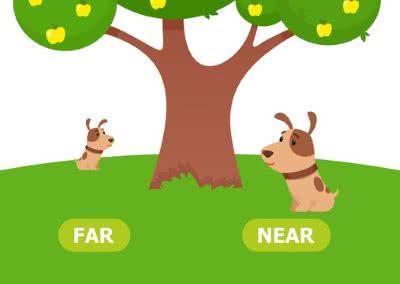
far

/fɑːr/

(adverb) 远, 很, 非常;

(adjective) 远的

示例:

How far is it to the nearest gas station?
离最近的加油站还有多

long

/lɑːŋ/

(adjective) 长, 漫长, 长时间的;

(adverb) 久, 长时间地;

(verb) 渴望, 向往

示例:

The river is very long.
这条河很

together

/təˈɡeð.ɚ/

(adverb) 一起, 共同, 合拢;

(adjective) 有条理的, 情绪稳定的

示例:

They walked together down the street.
他们一起走在街上。

almost

/ˈɑːl.moʊst/

(adverb) 几乎, 差不多

示例:

I'm almost done with my homework.
差不多做完作业了。

a lot

/ə ˈlɑːt/

(determiner) 很多, 大量;

(adverb) 很, 非常

示例:

She has a lot of friends.
她有很多朋友。

else

/els/

(adverb) 另外, 其他, 别的

示例:

What else do you need?
你还需要什么

sometimes

/ˈsʌm.taɪmz/

(adverb) 有时, 偶尔

示例:

Sometimes I like to read a book before bed.
有时我喜欢在睡前读一本书。

often

/ˈɑːf.ən/

(adverb) 经常, 常常

示例:

She often visits her grandparents.
经常去看望她的祖父母。

once

/wʌns/

(adverb) 一次, 曾经, 从前;

(conjunction) 一旦, 只要

示例:

I only met him once.
我只见过他一次

later

/ˈleɪ.t̬ɚ/

(adverb) 稍后, 之后;

(adjective) 后面的, 较晚的

示例:

I'll call you later.
稍后给你打电话。

exactly

/ɪɡˈzækt.li/

(adverb) 精确地, 恰好, 没错

示例:

The measurements must be exactly right.
测量结果必须完全正确。

basically

/ˈbeɪ.sɪ.kəl.i/

(adverb) 基本上, 根本上, 总的来说

示例:

Basically, we need to cut costs.
基本上,我们需要削减成本。
在 Lingoland 学习此词汇集