
词汇集 Top 51 - 75 Phrasal Verbs(属于 250个最常见的英语短语动词):完整且详细的清单
词汇集「Top 51 - 75 Phrasal Verbs」(属于「250个最常见的英语短语动词」)从国际标准教材来源精心挑选,帮助您在短时间内掌握词汇。全面汇整定义、例句及标准发音…
在 Lingoland 学习此词汇集
立即学习
/ˈkʌm.bæk/
(noun) 复出, 卷土重来, 反驳
示例:
The singer made a successful comeback after a long hiatus.
这位歌手在长时间的休整后成功复出。

/teɪk ɑːn/
(phrasal verb) 承担, 接受, 招聘
示例:
I can't take on any more work right now.
我现在不能再承担更多工作了。

/ˈteɪk ˌoʊ.vər/
(phrasal verb) 接管, 收购, 占据
示例:
She will take over as CEO next month.
她下个月将接任首席执行官。


/brɪŋ ʌp/
(phrasal verb) 抚养, 养育, 提起
示例:
She was brought up by her grandparents.
她是由祖父母抚养长大的。

/riːtʃ aʊt/
(phrasal verb) 联系, 伸出援手, 伸手
示例:
Feel free to reach out if you have any questions.
如果您有任何问题,请随时联系。

/kʌm təˈɡeð.ər/
(phrasal verb) 聚集, 集合, 成形
示例:
The community will come together to discuss the new park.
社区将聚集在一起讨论新公园。

/rɪˈzʌlt ɪn/
(phrasal verb) 导致, 造成, 引起
示例:
His carelessness resulted in a serious accident.
他的粗心导致了一场严重的事故。
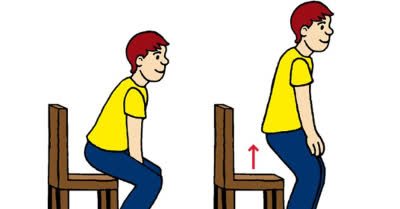
/stænd ˈʌp/
(phrasal verb) 站起来, 起立, 坚持
示例:
Please stand up when the judge enters the courtroom.
法官进入法庭时请起立。

/lʊk bæk/
(phrasal verb) 回顾, 回想, 回头看
示例:
When I look back on my childhood, I remember happy times.
当我回顾童年时,我记得快乐的时光。

/ɡɛt bæk/
(phrasal verb) 回来, 返回, 拿回
示例:
I need to get back home before it gets dark.
天黑前我得回家。

/ɡet θruː/
(phrasal verb) 度过, 熬过, 打通
示例:
I don't know how I'm going to get through this week.
我不知道我将如何度过这一周。

/lʊk ˈʌp/
(phrasal verb) 查阅, 查找, 好转
示例:
I need to look up the meaning of this word in the dictionary.
我需要查阅字典来查找这个词的意思。

/ɪnˈɡeɪdʒ ɪn/
(phrasal verb) 参与, 从事
示例:
They engage in lively discussions during their meetings.
他们在会议期间参与热烈的讨论。

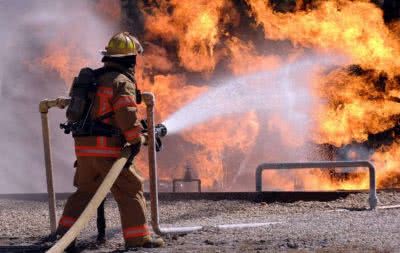
/pʊt aʊt/
(phrasal verb) 扑灭, 熄灭, 麻烦
示例:
The firefighters quickly put out the blaze.
消防员迅速扑灭了大火。


/ɡɛt bæk tuː/
(phrasal verb) 回到, 返回, 回复
示例:
I need to get back to work after this break.
休息后我需要回去工作。

/lɪv ɑːn/
(phrasal verb) 生存下来, 继续存在, 靠...生活
示例:
Despite the hardships, the community managed to live on.
尽管困难重重,社区还是设法生存下来。

/sloʊ daʊn/
(phrasal verb) 减速, 放慢
示例:
You need to slow down when you're driving in a residential area.
在居民区开车时,你需要减速。

/stɑːrt aʊt/
(phrasal verb) 开始, 起步, 出发
示例:
He started out as a humble apprentice.
他最初是一名不起眼的学徒。

/bɪld ʌp/
(phrasal verb) 建立, 增强, 积累
示例:
She needs to build up her strength after the illness.
她病后需要增强体力。

/stɑːrt ˈɔːf/
(phrasal verb) 开始, 出发, 起步
示例:
We decided to start off early to avoid traffic.
我们决定早点出发以避开交通。