Avatar of Vocabulary Set B2 - 表达自我!

词汇集 B2 - 表达自我!(属于 B2级别):完整且详细的清单

词汇集「B2 - 表达自我!」(属于「B2级别」)从国际标准教材来源精心挑选,帮助您在短时间内掌握词汇。全面汇整定义、例句及标准发音…

在 Lingoland 学习此词汇集

立即学习
figure

/ˈfɪɡ.jɚ/

(noun) 数字, 数额, 身材;

(verb) 认为, 估计, 弄清楚

示例:

The latest unemployment figures are alarming.
最新的失业数字令人担忧。

justify

/ˈdʒʌs.tə.faɪ/

(verb) 证明...正当, 为...辩护

示例:

The end does not always justify the means.
目的不总是证明手段是正当的。

in the first place

/ɪn ðə fɜːrst pleɪs/

(phrase) 当初, 首先, 第一

示例:

Why did you agree to go in the first place?
当初为什么同意去?

object

/ˈɑːb.dʒɪkt/

(noun) 物体, 东西, 对象;

(verb) 反对, 异议

示例:

She picked up a strange object from the ground.
她从地上捡起一个奇怪的物体

objective

/əbˈdʒek.tɪv/

(noun) 目标, 目的;

(adjective) 客观的, 公正的

示例:
Our main objective is to increase sales by 20%.
我们的主要目标是将销售额提高20%。

subjective

/səbˈdʒek.tɪv/

(adjective) 主观的, 个人的

示例:

Beauty is subjective; what one person finds beautiful, another might not.
美是主观的;一个人觉得美的东西,另一个人可能不觉得。

so

/soʊ/

(adverb) 这么, 如此, 确实;

(conjunction) 所以, 因此

示例:

Why are you so sad?
你为什么这么伤心?

maintain

/meɪnˈteɪn/

(verb) 维护, 保养, 保持

示例:

It's important to regularly maintain your car.
定期保养您的汽车很重要。

may

/meɪ/

(modal verb) 可能, 也许, 可以;

(noun) 五月

示例:

It may rain later.
稍后可能会下雨。

name

/neɪm/

(noun) 名字, 名称, 名声;

(verb) 命名, 称呼

示例:

What is your name?
你叫什么名字

oppose

/əˈpoʊz/

(verb) 反对, 抵制, 使对立

示例:

Many people oppose the new policy.
许多人反对这项新政策。

opposed

/əˈpoʊzd/

(adjective) 反对的, 对立的

示例:

Most people are opposed to the new tax.
大多数人反对新税。

praise

/preɪz/

(verb) 赞扬, 表扬;

(noun) 赞扬, 表扬

示例:

The teacher praised the students for their hard work.
老师表扬了学生们的努力工作。

reckon

/ˈrek.ən/

(verb) 计算, 估计, 认为

示例:

The police reckon the murder was committed at about 12:30 a.m.
警方估计谋杀案发生在凌晨12点30分左右。

regard

/rɪˈɡɑːrd/

(verb) 认为, 看待, 看;

(noun) 注意, 关心, 尊重

示例:

She regarded him as a friend.
把他当作朋友。

remark

/rɪˈmɑːrk/

(noun) 评论, 言论;

(verb) 评论, 说

示例:

He made a rude remark about her dress.
他对她的裙子发表了粗鲁的评论

speculate

/ˈspek.jə.leɪt/

(verb) 推测, 猜测, 投机

示例:

The police refused to speculate about the cause of the fire.
警方拒绝猜测火灾原因。

speculation

/ˌspek.jəˈleɪ.ʃən/

(noun) 猜测, 推测, 投机

示例:

His disappearance has led to much speculation.
他的失踪引发了许多猜测

stance

/stæns/

(noun) 站姿, 姿态, 立场

示例:

He adopted a wide stance before hitting the ball.
他在击球前采取了宽阔的站姿

stand

/stænd/

(verb) 站立, 站着, 放置;

(noun) 支架, 架子, 立场

示例:

Please stand when the judge enters.
法官进来时请站起来

sum up

/sʌm ʌp/

(phrasal verb) 总结, 概括

示例:

Can you sum up the report in a few sentences?
你能用几句话总结一下这份报告吗?

judgement

/ˈdʒʌdʒ.mənt/

(noun) 判断力, 辨别力, 判断

示例:

She showed excellent judgement in handling the crisis.
她在处理危机时表现出卓越的判断力

misunderstanding

/ˌmɪs.ʌn.dɚˈstæn.dɪŋ/

(noun) 误解, 理解错误

示例:

There was a complete misunderstanding about the meeting time.
关于会议时间,存在一个完全的误解

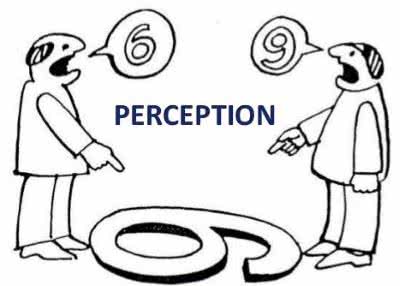
perception

/pɚ-/

(noun) 看法, 理解, 认知

示例:

Public perception of the new policy is largely negative.
公众对新政策的看法大多是负面的。

position

/pəˈzɪʃ.ən/

(noun) 位置, 地方, 方位;

(verb) 放置, 定位, 安排

示例:

The car is in a good position for parking.
这辆车停在了一个好位置

proof

/pruːf/

(noun) 证据, 证明, 校样;

(verb) 证明, 证实, 防;

(adjective) 防, 耐

示例:

Do you have any proof that he was involved?
你有什么证据证明他参与了?

public opinion

/ˌpʌb.lɪk əˈpɪn.jən/

(noun) 公众舆论, 民意

示例:

The government is sensitive to changes in public opinion.
政府对公众舆论的变化很敏感。

reason

/ˈriː.zən/

(noun) 原因, 理由, 理智;

(verb) 推理, 讲道理

示例:

The reason for his absence was illness.
他缺席的原因是生病了。

reputation

/ˌrep.jəˈteɪ.ʃən/

(noun) 声誉, 名声

示例:

He has a good reputation as a reliable worker.
他作为一名可靠的工人,声誉很好。

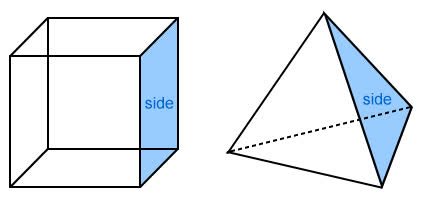
side

/saɪd/

(noun) 边, 侧, 方面;

(adjective) 侧面的, 旁边的;

(verb) 支持, 给...装侧面

示例:

He stood by her side.
他站在她身边

right

/raɪt/

(adjective) 正确的, 对的, 右;

(adverb) 向右, 马上, 直接;

(noun) 权利, 权益, 右边;

(verb) 扶正, 纠正;

(interjection) 好的, 对吧

示例:

It's not right to cheat on a test.
考试作弊是不对的

while

/waɪl/

(noun) 一段时间, 一会儿;

(conjunction) 在...的时候, 当...时, 而;

(verb) 消磨, 打发

示例:

I haven't seen her for a while.
我有一段时间没见到她了。

in opposition to

/ɪn ˌɑːpəˈzɪʃən tə/

(phrase) 反对, 与...对立

示例:

The new policy was met with strong resistance in opposition to the proposed changes.
新政策遭到了强烈抵制,反对拟议的改革。

sign

/saɪn/

(noun) 标志, 牌子, 招牌;

(verb) 签署, 签名, 示意

示例:

The sign said 'Stop'.
牌子上写着“停止”。
在 Lingoland 学习此词汇集