Avatar of Vocabulary Set A1 - 基本动词 3

词汇集 A1 - 基本动词 3(属于 A1级别):完整且详细的清单

词汇集「A1 - 基本动词 3」(属于「A1级别」)从国际标准教材来源精心挑选,帮助您在短时间内掌握词汇。全面汇整定义、例句及标准发音…

在 Lingoland 学习此词汇集

立即学习

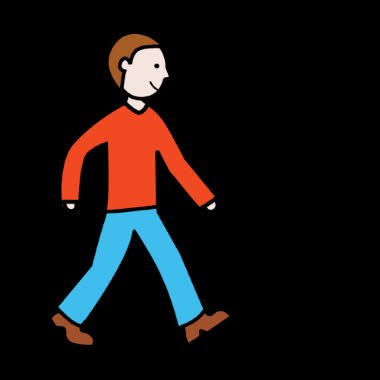
walk

/wɑːk/

(verb) 走, 步行, 遛;

(noun) 散步, 步行

示例:

She likes to walk in the park every morning.
她喜欢每天早上在公园里散步

run

/rʌn/

(verb) 跑, 奔跑, 运行;

(noun) 跑, 跑步, 持续期

示例:
She decided to run a marathon next year.
她决定明年一场马拉松。

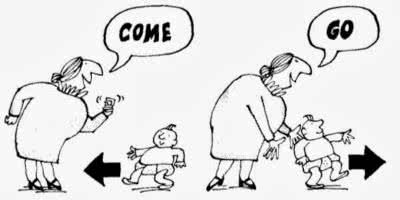
go

/ɡoʊ/

(verb) 去, 走, 运行;

(noun) 尝试, 轮次;

(adjective) 准备就绪, 运行中;

(exclamation) 去, 走

示例:
I need to go to the store.
我需要商店。

come

/kʌm/

(verb) 来, 高潮, 射精

示例:

Are you coming to the party tonight?
你今晚会参加派对吗?

come from

/kʌm frʌm/

(phrasal verb) 来自, 源于, 是...人

示例:

The word 'robot' comes from the Czech language.
“机器人”这个词来自捷克语。

sit

/sɪt/

(verb) 坐, 坐下, 担任;

(noun) 坐, 坐姿

示例:

Please sit down.
下。

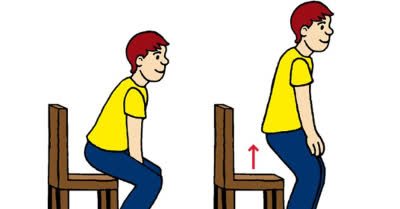
stand up

/stænd ˈʌp/

(phrasal verb) 站起来, 起立, 坚持

示例:

Please stand up when the judge enters the courtroom.
法官进入法庭时请起立

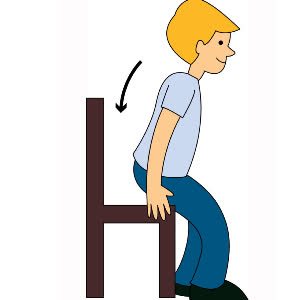
sit down

/sɪt daʊn/

(phrasal verb) 坐下

示例:

Please sit down.
坐下

fall

/fɑːl/

(verb) 落下, 跌倒, 下降;

(noun) 跌落, 倒塌, 秋天

示例:

The apple fell from the tree.
苹果从树上掉了下来。

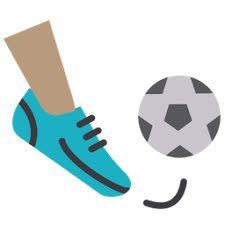
kick

/kɪk/

(verb) 踢, 踢腿, 戒掉;

(noun) 踢, 踢腿, 刺激

示例:

He tried to kick the ball into the goal.
他试图把球进球门。

jump

/dʒʌmp/

(verb) 跳, 跳跃, 猛地移动;

(noun) 跳, 跳跃, 猛增

示例:

The cat jumped onto the table.
到了桌子上。

bring

/brɪŋ/

(verb) 带来, 拿来, 导致

示例:

Don't forget to bring your umbrella.
别忘了你的伞。

give

/ɡɪv/

(verb) 给, 授予, 发出;

(noun) 弹性, 伸缩性

示例:

Can you give me that book?
你能把那本书我吗?

take

/teɪk/

(verb) 拿, 取, 带;

(noun) 镜头, 拍摄, 拿取

示例:
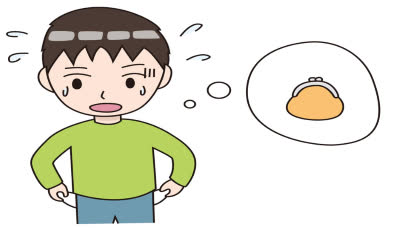
She decided to take a book from the shelf.
她决定从书架上一本书。

lose

/luːz/

(verb) 失去, 丢失, 输

示例:

I don't want to lose my job.
我不想失去我的工作。

find

/faɪnd/

(verb) 找到, 发现, 觉得;

(noun) 发现, 发现物

示例:

I need to find my keys.
我需要找到我的钥匙。

open

/ˈoʊ.pən/

(adjective) 开着的, 开放的, 敞开的;

(verb) 打开, 开启, 开始;

(adverb) 开着;

(noun) 开阔地, 户外

示例:

The door was open.
门是开着的。

close

/kloʊz/

(verb) 关, 关闭, 结束;

(adjective) 近, 亲密, 逼真;

(adverb) 近, 靠近

示例:
Please close the door when you leave.
请在离开时关上门。

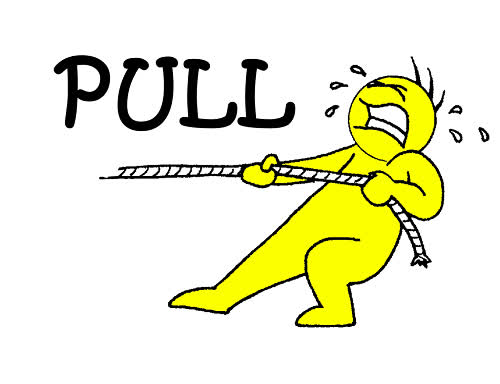
pull

/pʊl/

(verb) 拉, 拖, 拔出;

(noun) 拉, 牵引, 影响力

示例:

She tried to pull the heavy door open.
她试图拉开那扇沉重的门。

push

/pʊʃ/

(verb) 推, 挤, 推动;

(noun) 推, 推动, 努力

示例:

She tried to push the heavy door open.
她试图推开那扇沉重的门。

start

/stɑːrt/

(noun) 开始, 起点, 出发;

(verb) 开始, 启动, 创办

示例:

The race will start at 10 AM.
比赛将在上午10点开始

stop

/stɑːp/

(noun) 停止, 结束, 车站;

(verb) 停止, 阻止, 中止

示例:

The car came to a sudden stop.
汽车突然停了下来。

finish

/ˈfɪn.ɪʃ/

(noun) 结束, 终点, 表面;

(verb) 完成, 结束

示例:

We reached the finish line after a long race.
我们经过漫长的比赛到达了终点线。

build

/bɪld/

(verb) 建造, 建立, 增强;

(noun) 体格, 身材

示例:

They plan to build a new house next year.
他们计划明年建造一座新房子。

do

/də/

(verb) 做, 进行, 完成;

(auxiliary verb) 助动词, 强调;

(noun) 聚会, 活动, 发型

示例:

What are you going to do today?
你今天打算什么?

get

/ɡet/

(verb) 得到, 收到, 获得;

(noun) 结果, 收获

示例:

Did you get the mail today?
你今天收到邮件了吗?

turn

/tɝːn/

(verb) 转动, 旋转, 转向;

(noun) 转弯, 轮流

示例:

The Earth turns on its axis.
地球绕着地轴转动

introduce

/ˌɪn.trəˈduːs/

(verb) 介绍, 推出, 引进

示例:

Let me introduce you to my colleague, Sarah.
让我把我的同事莎拉介绍给你。

travel

/ˈtræv.əl/

(verb) 旅行, 行进, 传播;

(noun) 旅行, 行程

示例:

I love to travel to new countries.
我喜欢旅行到新的国家。

meet

/miːt/

(verb) 见面, 遇见, 满足;

(noun) 比赛, 集会

示例:

I'm going to meet my friends at the cafe.
我打算去咖啡馆我的朋友。

match

/mætʃ/

(noun) 比赛, 竞赛, 火柴;

(verb) 匹配, 相配, 找到相配的

示例:
The football match ended in a draw.
足球比赛以平局告终。

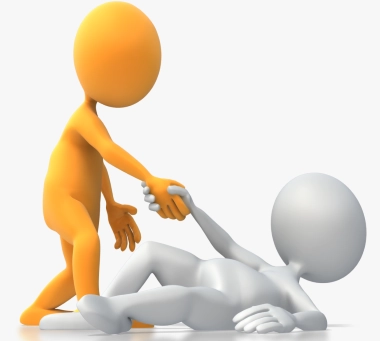
help

/help/

(verb) 帮助, 协助, 改善;

(noun) 帮助, 援助;

(exclamation) 救命, 帮助

示例:
Can you help me with my homework?
你能我做作业吗?

include

/ɪnˈkluːd/

(verb) 包括, 包含, 加入

示例:

The price includes tax and service charge.
价格包含税费和服务费。

let

/let/

(verb) 让, 允许, 擦网球;

(noun) 出租, 租赁

示例:

She wouldn't let him go.
她不让他走。

lie

/laɪ/

(verb) 躺, 放置, 撒谎;

(noun) 谎言, 谎话

示例:

She likes to lie on the beach and read.
她喜欢在沙滩上读书。

sound

/saʊnd/

(noun) 声音, 响声, 海湾;

(verb) 发出声音, 鸣响, 听起来;

(adjective) 健全的, 完好的, 站得住脚的;

(adverb) 熟睡地, 彻底地

示例:

The sound of music filled the room.
音乐的声音充满了房间。
在 Lingoland 学习此词汇集