Avatar of Vocabulary Set 語言 1

詞彙集 語言 1(屬於 語言):完整且詳細的清單

詞彙集「語言 1」(屬於「語言」)從國際標準教材來源精心挑選,幫助您在短時間內掌握詞彙。全面彙整定義、例句及標準發音…

在 Lingoland 學習此詞彙集

立即學習
afrikaans

/ˌæf.rɪˈkɑːns/

(noun) 南非荷蘭語;

(adjective) 南非荷蘭語的

範例:

Many people in South Africa speak Afrikaans.
許多南非人說南非荷蘭語

Anglo-Saxon

/ˌæŋ.ɡloʊˈsæk.sən/

(noun) 盎格魯-撒克遜人;

(adjective) 盎格魯-撒克遜的

範例:
The history of England begins with the arrival of the Anglo-Saxons.
英國的歷史始於盎格魯-撒克遜人的到來。

arabic

/ˈer.ə.bɪk/

(noun) 阿拉伯語;

(adjective) 阿拉伯的

範例:

She is learning to speak Arabic.
她正在學習說阿拉伯語

aramaic

/er.əˈmeɪ.ɪk/

(noun) 阿拉姆語;

(adjective) 阿拉姆語的

範例:

Many scholars believe that parts of the Bible were originally written in Aramaic.
許多學者認為《聖經》的部分內容最初是用阿拉姆語寫成的。

Bahasa Indonesia

/bəˌhɑːsə ɪndəˈniːʒə/

(noun) 印尼語, 印度尼西亞語

範例:

Many people in Indonesia speak Bahasa Indonesia as their first language.
許多印度尼西亞人將印尼語作為他們的第一語言。

Bahasa Malaysia

/bəˌhɑːsə məˈleɪʒə/

(noun) 馬來西亞語, 馬來語

範例:

Many official documents in Malaysia are written in Bahasa Malaysia.
馬來西亞的許多官方文件都用馬來西亞語書寫。

bangla

/ˈbæŋ.ɡləː/

(noun) 孟加拉語

範例:

She is learning Bangla to communicate with her new neighbors.
她正在學習孟加拉語,以便與新鄰居交流。

basque

/bæsk/

(noun) 巴斯克人, 巴斯克語;

(adjective) 巴斯克的

範例:

The Basque people have a unique culture and language.
巴斯克人民擁有獨特的文化和語言。

bengali

/beŋˈɡɔː.li/

(noun) 孟加拉人, 孟加拉語;

(adjective) 孟加拉的

範例:
Many Bengalis celebrate Pohela Boishakh, the Bengali New Year.
許多孟加拉人慶祝孟加拉新年,即波希拉·博伊沙赫。

breton

/ˈbretən/

(noun) 布列塔尼人, 布列塔尼居民, 布列塔尼語;

(adjective) 布列塔尼的

範例:

The old Breton told stories of the sea.
那位老布列塔尼人講述著大海的故事。

cantonese

/kæn.təˈniːz/

(noun) 粵語, 廣東話;

(adjective) 粵語的, 廣東的

範例:

She grew up speaking Cantonese at home.
她從小在家說粵語

carib

/ˈkærɪb/

(noun) 加勒比人, 加勒比族, 加勒比語;

(adjective) 加勒比的

範例:

The Carib people were known for their seafaring skills.
加勒比人以其航海技能而聞名。

catalan

/ˈkæt̬.ə.lɑːn/

(noun) 加泰羅尼亞語;

(adjective) 加泰羅尼亞的

範例:

She is fluent in Spanish and Catalan.
她能流利地說西班牙語和加泰羅尼亞語

Chinese

/tʃaɪˈniːz/

(noun) 中國人, 中文, 漢語;

(adjective) 中國的, 中華的

範例:
Many Chinese live abroad.
許多中國人居住在海外。

cornish

/ˈkɔːr.nɪʃ/

(adjective) 康沃爾的, 康沃爾語的;

(noun) 康沃爾語

範例:
She is proud of her Cornish heritage.
她為自己的康沃爾傳統感到自豪。

creole

/ˈkriː.oʊl/

(noun) 克里奧爾人, 克里奧爾語;

(adjective) 克里奧爾的

範例:
Many people in Louisiana identify as Creole.
路易斯安那州的許多人自認為是克里奧爾人

Danish

/ˈdeɪ.nɪʃ/

(noun) 丹麥語;

(adjective) 丹麥的

範例:

She is learning to speak Danish.
她正在學習說丹麥語

Dharuk

/ˈdɑːrʊk/

(noun) 達魯克語, 達魯克人

範例:

The linguist studied the grammar of Dharuk.
語言學家研究了達魯克語的語法。

dutch

/dʌtʃ/

(noun) 荷蘭語;

(adjective) 荷蘭的

範例:

She is fluent in Dutch and English.
她能流利地說荷蘭語和英語。

English

/ˈɪŋ.ɡlɪʃ/

(noun) 英語;

(adjective) 英國的, 英語的

範例:
She is fluent in English and French.
她精通英語和法語。

erse

/ɝːs/

(noun) 蓋爾語

範例:

Many ancient texts are written in Erse.
許多古代文獻都是用蓋爾語寫的。

etruscan

/ɪˈtrʌskən/

(noun) 伊特魯里亞人;

(adjective) 伊特魯里亞的

範例:
The art and culture of the Etruscans greatly influenced early Roman civilization.
伊特魯里亞人的藝術和文化極大地影響了早期羅馬文明。

filipino

/ˌfɪl.ɪˈpiː.noʊ/

(noun) 菲律賓人, 菲律賓語;

(adjective) 菲律賓的

範例:
Many Filipinos work abroad to support their families.
許多菲律賓人在國外工作以養家糊口。

flemish

/ˈflem.ɪʃ/

(noun) 佛蘭芒語;

(adjective) 佛蘭芒的, 佛蘭德的

範例:

Many people in Belgium speak Flemish.
比利時有很多人說佛蘭芒語

French

/frentʃ/

(noun) 法語, 法國人;

(adjective) 法國的

範例:

She is learning to speak French.
她正在學習說法語

gaelic

/ˈɡæl.ɪk/

(noun) 蓋爾語, 蘇格蘭蓋爾語;

(adjective) 蓋爾語的, 蓋爾人的

範例:
Many traditional Scottish songs are sung in Gaelic.
許多蘇格蘭傳統歌曲都用蓋爾語演唱。

Gaulish

/ˈɡɔːlɪʃ/

(adjective) 高盧的, 高盧語的;

(noun) 高盧語

範例:
The archaeologist discovered ancient Gaulish artifacts.
考古學家發現了古代高盧文物。

German

/ˈdʒɝː.mən/

(noun) 德國人, 德語;

(adjective) 德國的

範例:

He is a German who moved to Canada.
他是一個移居加拿大的德國人

Greek

/ɡriːk/

(noun) 希臘人;

(adjective) 希臘的

範例:

He is a proud Greek, deeply connected to his heritage.
他是一個驕傲的希臘人,與他的傳統有著深厚的聯繫。

gujarati

/ˌɡʊdʒ.əˈrɑː.t̬i/

(noun) 古吉拉特人, 古吉拉特語;

(adjective) 古吉拉特的, 古吉拉特語的

範例:
Many Gujaratis have settled in other parts of the world.
許多古吉拉特人已定居在世界其他地區。

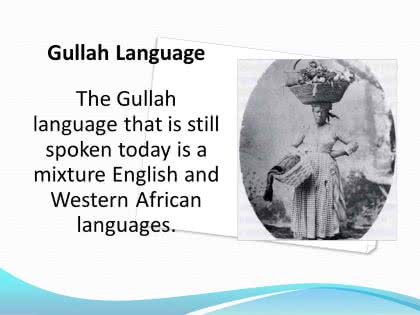
gullah

/ˈɡʌlə/

(noun) 戈拉人, 戈拉語;

(adjective) 戈拉的

範例:

The Gullah people have a rich cultural heritage.
戈拉人擁有豐富的文化遺產。

hausa

/ˈhaʊsə/

(noun) 豪薩人, 豪薩語

範例:

The Hausa are known for their rich cultural heritage.
豪薩人以其豐富的文化遺產而聞名。

hebrew

/ˈhiː.bruː/

(noun) 希伯來人, 希伯來語;

(adjective) 希伯來語的

範例:
The ancient Hebrews migrated to the land of Canaan.
古代希伯來人遷徙到迦南地。

heritage language

/ˈher.ɪ.tɪdʒ ˌlæŋ.ɡwɪdʒ/

(noun) 傳承語, 祖語

範例:

Many second-generation immigrants learn their parents' heritage language to stay connected to their roots.
許多第二代移民學習父母的傳承語,以保持與他們根源的聯繫。

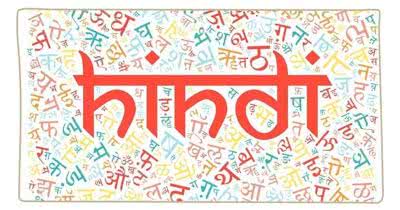
hindi

/ˈhɪn.di/

(noun) 印地語

範例:

She is learning to speak Hindi.
她正在學習說印地語

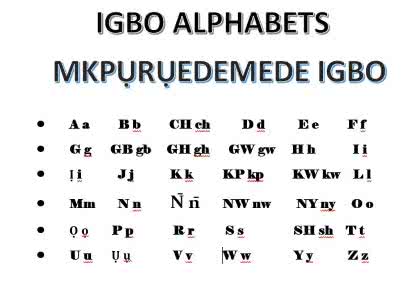
igbo

/ˈɪɡboʊ/

(noun) 伊博族, 伊博語

範例:

The Igbo are one of the largest ethnic groups in Nigeria.
伊博族是奈及利亞最大的民族之一。

irish

/ˈaɪə.rɪʃ/

(adjective) 愛爾蘭的;

(noun) 愛爾蘭語

範例:

She has a strong Irish accent.
她有很重的愛爾蘭口音。

Italian

/ɪˈtæl.jən/

(noun) 義大利人, 義大利語;

(adjective) 義大利的

範例:

He is an Italian who moved to New York.
他是一個搬到紐約的義大利人

Japanese

/ˌdʒæp.ənˈiːz/

(adjective) 日本的;

(noun) 日語

範例:

She is studying Japanese history.
她正在學習日本歷史。

javanese

/ˌdʒɑːvəˈniːz/

(noun) 爪哇人, 爪哇的, 爪哇語;

(adjective) 爪哇的

範例:

Many Javanese people are known for their rich cultural traditions.
許多爪哇人以其豐富的文化傳統而聞名。

kannada

/ˈkæn.ə.də/

(noun) 卡納達語;

(adjective) 卡納達的

範例:

She is learning Kannada to communicate with her grandparents.
她正在學習卡納達語,以便與祖父母交流。

khmer

/kəˈmer/

(noun) 高棉人, 柬埔寨人, 高棉語;

(adjective) 高棉的, 柬埔寨的

範例:
Many Khmer people live in rural areas of Cambodia.
許多高棉人居住在柬埔寨的農村地區。

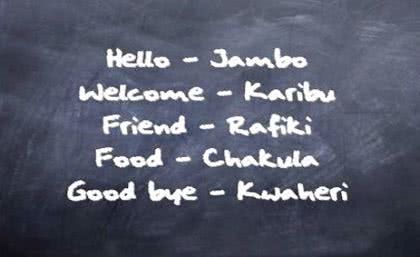
kiswahili

/kɪsˈwɑːhɪli/

(noun) 斯瓦希里語

範例:

Many people in East Africa speak Kiswahili.
東非的許多人說斯瓦希里語

Lahnda

/ˈlɑːndə/

(noun) 拉亨達語

範例:

Many people in southern Punjab speak Lahnda dialects.
旁遮普南部的許多人講拉亨達語方言。

latin

/ˈlæt̬.ɪn/

(noun) 拉丁語;

(adjective) 拉丁的

範例:

Many English words have their roots in Latin.
許多英語單詞的根源在於拉丁語
在 Lingoland 學習此詞彙集