Avatar of Vocabulary Set 언어 1

언어 내 언어 1 어휘 세트: 완전하고 상세한 목록

'언어' 내 '언어 1' 어휘 세트는 국제 표준 교재 출처에서 엄선되어 짧은 시간 안에 어휘를 마스터할 수 있도록 도와줍니다. 정의, 예문, 표준 발음을 완벽하게 수록...

Lingoland에서 이 어휘 세트 학습하기

지금 학습하기
afrikaans

/ˌæf.rɪˈkɑːns/

(noun) 아프리칸스어;

(adjective) 아프리칸스어의, 아프리칸스어를 사용하는

예시:

Many people in South Africa speak Afrikaans.
남아프리카 공화국에서는 많은 사람들이 아프리칸스어를 사용합니다.

Anglo-Saxon

/ˌæŋ.ɡloʊˈsæk.sən/

(noun) 앵글로색슨족;

(adjective) 앵글로색슨족의

예시:
The history of England begins with the arrival of the Anglo-Saxons.
영국의 역사는 앵글로색슨족의 도래와 함께 시작된다.

arabic

/ˈer.ə.bɪk/

(noun) 아랍어;

(adjective) 아랍의

예시:

She is learning to speak Arabic.
그녀는 아랍어를 배우고 있습니다.

aramaic

/er.əˈmeɪ.ɪk/

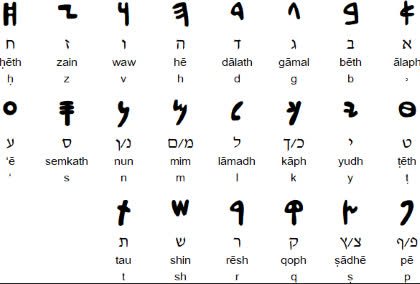
(noun) 아람어;

(adjective) 아람어의

예시:

Many scholars believe that parts of the Bible were originally written in Aramaic.
많은 학자들은 성경의 일부가 원래 아람어로 쓰여졌다고 믿는다.

Bahasa Indonesia

/bəˌhɑːsə ɪndəˈniːʒə/

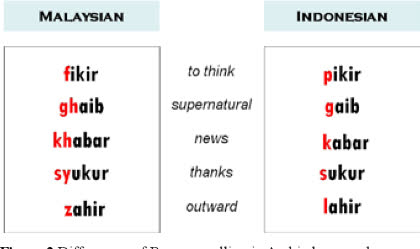
(noun) 인도네시아어, 바하사 인도네시아

예시:

Many people in Indonesia speak Bahasa Indonesia as their first language.
인도네시아의 많은 사람들이 인도네시아어를 모국어로 사용합니다.

Bahasa Malaysia

/bəˌhɑːsə məˈleɪʒə/

(noun) 바하사 말레이시아, 말레이시아어

예시:

Many official documents in Malaysia are written in Bahasa Malaysia.
말레이시아의 많은 공식 문서는 바하사 말레이시아로 작성됩니다.

bangla

/ˈbæŋ.ɡləː/

(noun) 벵골어

예시:

She is learning Bangla to communicate with her new neighbors.
그녀는 새로운 이웃들과 소통하기 위해 벵골어를 배우고 있다.

basque

/bæsk/

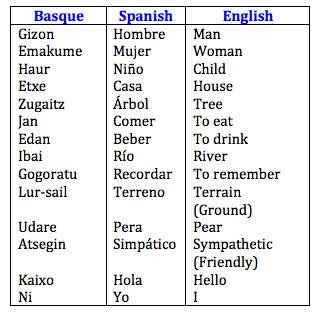
(noun) 바스크인, 바스크어;

(adjective) 바스크의

예시:

The Basque people have a unique culture and language.
바스크 사람들은 독특한 문화와 언어를 가지고 있습니다.

bengali

/beŋˈɡɔː.li/

(noun) 벵골인, 벵골어;

(adjective) 벵골의

예시:

Many Bengalis celebrate Pohela Boishakh, the Bengali New Year.
많은 벵골인들이 벵골 새해인 포헬라 보이샤크를 기념합니다.

breton

/ˈbretən/

(noun) 브르타뉴인, 브르타뉴 주민, 브르타뉴어;

(adjective) 브르타뉴의

예시:

The old Breton told stories of the sea.
늙은 브르타뉴인은 바다 이야기를 들려주었다.

cantonese

/kæn.təˈniːz/

(noun) 광둥어;

(adjective) 광둥의

예시:

She grew up speaking Cantonese at home.
그녀는 집에서 광둥어를 사용하며 자랐다.

carib

/ˈkærɪb/

(noun) 카리브족, 카리브인, 카리브어;

(adjective) 카리브족의, 카리브어의

예시:

The Carib people were known for their seafaring skills.
카리브족은 항해 기술로 유명했다.

catalan

/ˈkæt̬.ə.lɑːn/

(noun) 카탈루냐어;

(adjective) 카탈루냐의

예시:

She is fluent in Spanish and Catalan.
그녀는 스페인어와 카탈루냐어에 능통하다.

Chinese

/tʃaɪˈniːz/

(noun) 중국인, 중국어;

(adjective) 중국의

예시:

Many Chinese live abroad.
많은 중국인들이 해외에 거주한다.

cornish

/ˈkɔːr.nɪʃ/

(adjective) 콘월의, 콘월어의;

(noun) 콘월어

예시:
She is proud of her Cornish heritage.
그녀는 자신의 콘월 유산을 자랑스러워한다.

creole

/ˈkriː.oʊl/

(noun) 크리올, 크리올어;

(adjective) 크리올의

예시:
Many people in Louisiana identify as Creole.
루이지애나의 많은 사람들이 자신을 크리올이라고 생각한다.

Danish

/ˈdeɪ.nɪʃ/

(noun) 덴마크어;

(adjective) 덴마크의

예시:

She is learning to speak Danish.
그녀는 덴마크어를 배우고 있다.

Dharuk

/ˈdɑːrʊk/

(noun) 다룩어, 다룩족

예시:

The linguist studied the grammar of Dharuk.
언어학자는 다룩어의 문법을 연구했다.

dutch

/dʌtʃ/

(noun) 네덜란드어;

(adjective) 네덜란드의

예시:

She is fluent in Dutch and English.
그녀는 네덜란드어와 영어를 유창하게 구사한다.

English

/ˈɪŋ.ɡlɪʃ/

(noun) 영어;

(adjective) 영국의, 영국식의

예시:

She is fluent in English and French.
그녀는 영어와 프랑스어를 유창하게 구사한다.

erse

/ɝːs/

(noun) 아일랜드어, 스코틀랜드 게일어

예시:

Many ancient texts are written in Erse.
많은 고대 문헌이 아일랜드어로 쓰여 있다.

etruscan

/ɪˈtrʌskən/

(noun) 에트루리아인;

(adjective) 에트루리아의

예시:
The art and culture of the Etruscans greatly influenced early Roman civilization.
에트루리아인의 예술과 문화는 초기 로마 문명에 큰 영향을 미쳤습니다.

filipino

/ˌfɪl.ɪˈpiː.noʊ/

(noun) 필리핀 사람, 필리핀어;

(adjective) 필리핀의

예시:
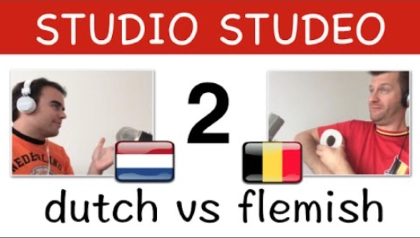
Many Filipinos work abroad to support their families.
많은 필리핀 사람들이 가족을 부양하기 위해 해외에서 일한다.

flemish

/ˈflem.ɪʃ/

(noun) 플라망어;

(adjective) 플라망, 플라망인, 플라망어의

예시:

Many people in Belgium speak Flemish.
벨기에의 많은 사람들이 플라망어를 사용합니다.

French

/frentʃ/

(noun) 프랑스어, 프랑스인;

(adjective) 프랑스의

예시:
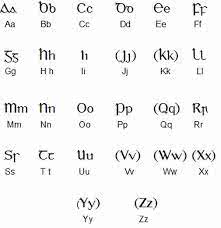
She is learning to speak French.
그녀는 프랑스어를 배우고 있습니다.

gaelic

/ˈɡæl.ɪk/

(noun) 게일어, 스코틀랜드 게일어;

(adjective) 게일어의, 고이델어의

예시:
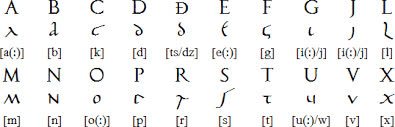
Many traditional Scottish songs are sung in Gaelic.
많은 전통 스코틀랜드 노래들이 게일어로 불린다.

Gaulish

/ˈɡɔːlɪʃ/

(adjective) 갈리아의, 갈리아어의;

(noun) 갈리아어

예시:
The archaeologist discovered ancient Gaulish artifacts.
고고학자는 고대 갈리아 유물을 발견했다.

German

/ˈdʒɝː.mən/

(noun) 독일인, 독일어;

(adjective) 독일의

예시:

He is a German who moved to Canada.
그는 캐나다로 이주한 독일인이다.

Greek

/ɡriːk/

(noun) 그리스인;

(adjective) 그리스의

예시:

He is a proud Greek, deeply connected to his heritage.
그는 자신의 유산과 깊이 연결된 자랑스러운 그리스인이다.

gujarati

/ˌɡʊdʒ.əˈrɑː.t̬i/

(noun) 구자라트인, 구자라트어;

(adjective) 구자라트의

예시:
Many Gujaratis have settled in other parts of the world.
많은 구자라트인들이 세계 다른 지역에 정착했다.

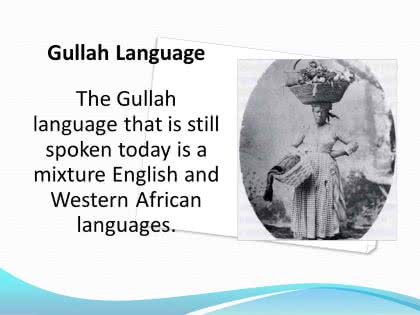
gullah

/ˈɡʌlə/

(noun) 굴라, 굴라어;

(adjective) 굴라 (관련)

예시:

The Gullah people have a rich cultural heritage.
굴라족은 풍부한 문화유산을 가지고 있습니다.

hausa

/ˈhaʊsə/

(noun) 하우사족, 하우사어

예시:

The Hausa are known for their rich cultural heritage.
하우사족은 풍부한 문화유산으로 유명하다.

hebrew

/ˈhiː.bruː/

(noun) 히브리인, 히브리어;

(adjective) 히브리

예시:
The ancient Hebrews migrated to the land of Canaan.
고대 히브리인들은 가나안 땅으로 이주했다.

heritage language

/ˈher.ɪ.tɪdʒ ˌlæŋ.ɡwɪdʒ/

(noun) 모국어, 조상어

예시:

Many second-generation immigrants learn their parents' heritage language to stay connected to their roots.
많은 2세대 이민자들은 그들의 뿌리와 연결되기 위해 부모님의 모국어를 배웁니다.

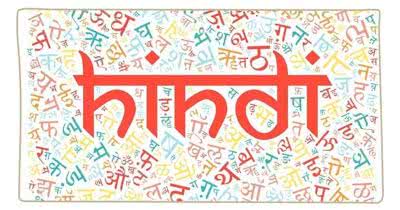
hindi

/ˈhɪn.di/

(noun) 힌디어

예시:

She is learning to speak Hindi.
그녀는 힌디어를 배우고 있다.

igbo

/ˈɪɡboʊ/

(noun) 이그보족, 이그보어

예시:

The Igbo are one of the largest ethnic groups in Nigeria.
이그보족은 나이지리아에서 가장 큰 민족 집단 중 하나이다.

irish

/ˈaɪə.rɪʃ/

(adjective) 아일랜드의;

(noun) 아일랜드어

예시:

She has a strong Irish accent.
그녀는 강한 아일랜드 억양을 가지고 있다.

Italian

/ɪˈtæl.jən/

(noun) 이탈리아인, 이탈리아어;

(adjective) 이탈리아의

예시:
He is an Italian who moved to New York.
그는 뉴욕으로 이주한 이탈리아인이다.

Japanese

/ˌdʒæp.ənˈiːz/

(adjective) 일본의;

(noun) 일본어

예시:

She is studying Japanese history.
그녀는 일본 역사를 공부하고 있다.

javanese

/ˌdʒɑːvəˈniːz/

(noun) 자바인, 자바의, 자바어;

(adjective) 자바의

예시:

Many Javanese people are known for their rich cultural traditions.
많은 자바인들은 풍부한 문화적 전통으로 유명합니다.

kannada

/ˈkæn.ə.də/

(noun) 칸나다어;

(adjective) 칸나다의

예시:

She is learning Kannada to communicate with her grandparents.
그녀는 조부모님과 소통하기 위해 칸나다어를 배우고 있습니다.

khmer

/kəˈmer/

(noun) 크메르족, 크메르인, 크메르어;

(adjective) 크메르의, 캄보디아의

예시:
Many Khmer people live in rural areas of Cambodia.
많은 크메르족 사람들이 캄보디아의 시골 지역에 살고 있습니다.

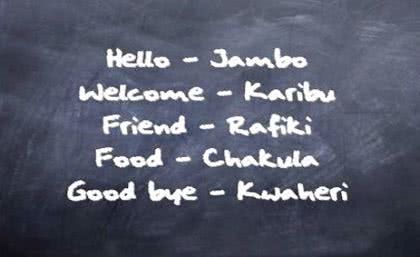
kiswahili

/kɪsˈwɑːhɪli/

(noun) 스와힐리어

예시:

Many people in East Africa speak Kiswahili.
동아프리카의 많은 사람들이 스와힐리어를 사용합니다.

Lahnda

/ˈlɑːndə/

(noun) 라한다어

예시:

Many people in southern Punjab speak Lahnda dialects.
남부 펀자브의 많은 사람들이 라한다 방언을 사용합니다.

latin

/ˈlæt̬.ɪn/

(noun) 라틴어;

(adjective) 라틴의

예시:

Many English words have their roots in Latin.
많은 영어 단어들이 라틴어에 뿌리를 두고 있다.
Lingoland에서 이 어휘 세트 학습하기