
Conjunto de vocabulário Início ou Emergente em Verbos Frasais Usando 'Up': Lista completa e detalhada
O conjunto de vocabulário 'Início ou Emergente' em 'Verbos Frasais Usando 'Up'' é cuidadosamente selecionado de fontes de manuais padrão internacionais, ajudando-o a dominar o vocabulário em pouco tempo. Compilação completa de definições, exemplos ilustrativos e pronúncia padrão...
Aprender este conjunto de vocabulário no Lingoland
Aprender agora
/krɑːp ʌp/
(phrasal verb) surgir, aparecer, ocorrer
Exemplo:
Problems always seem to crop up when you least expect them.
Problemas sempre parecem surgir quando você menos espera.
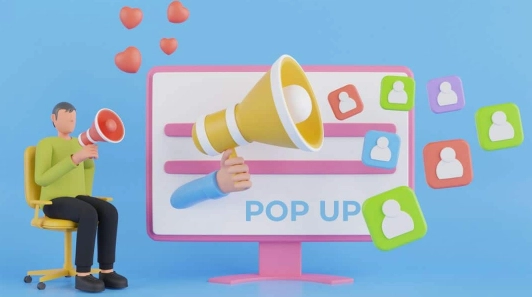
/pɑːp ʌp/
(phrasal verb) aparecer de repente, surgir
Exemplo:
A new window will pop up on your screen.
Uma nova janela aparecerá na sua tela.

/set ʌp/
(phrasal verb) estabelecer, criar, montar
Exemplo:
They plan to set up a new business next year.
Eles planejam montar um novo negócio no próximo ano.

/ˈstɑːrt ʌp/
(phrasal verb) ligar, iniciar, fundar;
(noun) startup, empresa iniciante
Exemplo:
The engine finally started up after several attempts.
O motor finalmente ligou depois de várias tentativas.

/straɪk ʌp/
(phrasal verb) iniciar, começar, começar a tocar
Exemplo:
He always tries to strike up a conversation with strangers.
Ele sempre tenta iniciar uma conversa com estranhos.
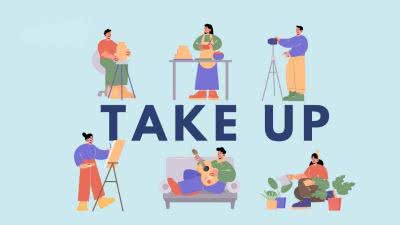
/teɪk ˈʌp/
(phrasal verb) começar, adotar, ocupar
Exemplo:
She decided to take up painting in her free time.
Ela decidiu começar a pintar em seu tempo livre.

/teɪk ʌp wɪð/
(phrasal verb) se envolver com, fazer amizade com, abordar
Exemplo:
She's started taking up with a new crowd, and I'm worried about her.
Ela começou a se envolver com uma nova turma, e estou preocupado com ela.

/wɑːʃ ˈʌp/
(phrasal verb) lavar a louça, se lavar, se arrumar
Exemplo:
I'll cook if you promise to wash up afterwards.
Eu cozinho se você prometer lavar a louça depois.