Avatar of Vocabulary Set 동물 번식

동물 내 동물 번식 어휘 세트: 완전하고 상세한 목록

'동물' 내 '동물 번식' 어휘 세트는 국제 표준 교재 출처에서 엄선되어 짧은 시간 안에 어휘를 마스터할 수 있도록 도와줍니다. 정의, 예문, 표준 발음을 완벽하게 수록...

Lingoland에서 이 어휘 세트 학습하기

지금 학습하기
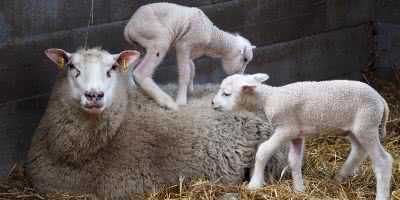
fecundity

/feˈkʌn.də.t̬i/

(noun) 풍부한 아이디어, 생산성, 번식력

예시:

The artist's fecundity was evident in the sheer volume of his creative output.
그 예술가의 풍부한 창의성은 그의 엄청난 창작물에서 분명히 드러났다.

asexuality

/ˌeɪ.sek.ʃuˈæl.ɪ.ti/

(noun) 무성애

예시:

Asexuality is a sexual orientation, not a choice or a disorder.
무성애는 성적 지향이지, 선택이나 장애가 아닙니다.

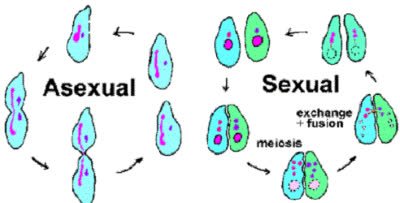
asexual reproduction

/ˌeɪˌsek.ʃu.əl rɪ.prəˈdʌk.ʃən/

(noun) 무성 생식

예시:

Many single-celled organisms reproduce through asexual reproduction.
많은 단세포 생물은 무성 생식을 통해 번식한다.

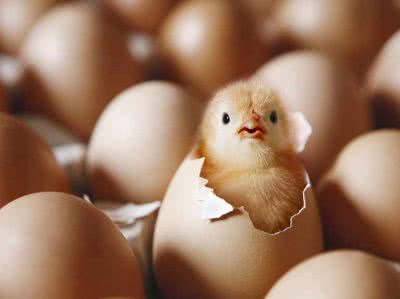
hatch

/hætʃ/

(verb) 부화하다, 꾸미다, 계획하다;

(noun) 해치, 출입구

예시:
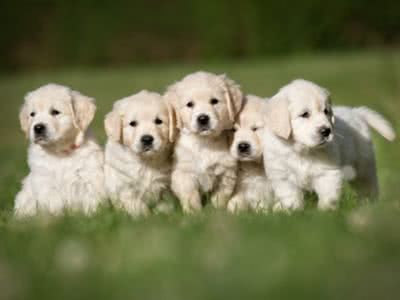
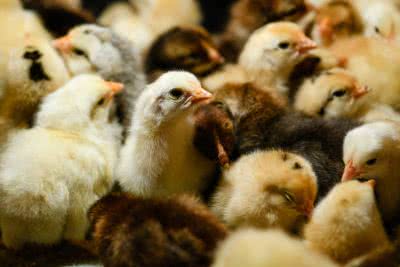
The chicks will hatch in a few days.
병아리들은 며칠 안에 부화할 것이다.

breeding

/ˈbriː.dɪŋ/

(noun) 번식, 사육, 교양

예시:

The farm specializes in the breeding of dairy cows.
그 농장은 젖소 번식을 전문으로 한다.

spawn

/spɑːn/

(noun) 알, 새끼, 산물;

(verb) 산란하다, 번식하다, 생성하다

예시:
The salmon returned to the river to lay their spawn.
연어는 을 낳기 위해 강으로 돌아왔다.

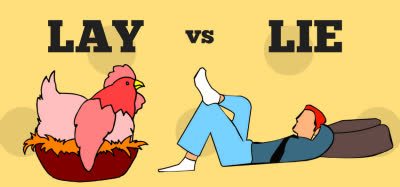
lay

/leɪ/

(verb) 놓다, 눕히다, 낳다;

(noun) 배치, 배열;

(adjective) 평신도의, 비성직자의

예시:
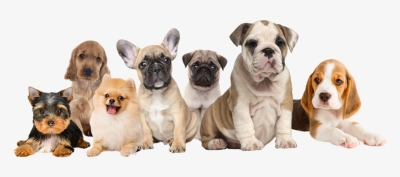
She carefully laid the baby in the crib.
그녀는 아기를 조심스럽게 아기 침대에 눕혔다.

breed

/briːd/

(verb) 번식시키다, 번식하다, 낳다;

(noun) 품종, 종류, 유형

예시:
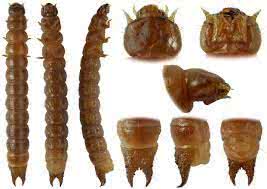
They breed horses for racing.
그들은 경주마를 번식시킨다.

larva

/ˈlɑːr.və/

(noun) 유충

예시:

The butterfly larva is a caterpillar.
나비 유충은 애벌레이다.

fertilize

/ˈfɝː.t̬əl.aɪz/

(verb) 비옥하게 하다, 거름을 주다, 수정시키다

예시:

Farmers fertilize their fields to ensure a good harvest.
농부들은 좋은 수확을 위해 밭을 비옥하게 한다.

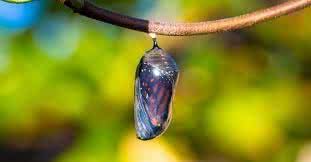
chrysalis

/ˈkrɪs.əl.ɪs/

(noun) 번데기, 보호막

예시:

The caterpillar transformed into a beautiful chrysalis.
애벌레는 아름다운 번데기로 변태했다.

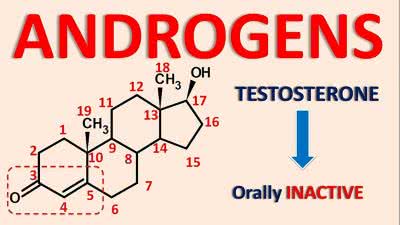
androgen

/ˈæn.drə.dʒən/

(noun) 안드로겐, 남성 호르몬

예시:

Testosterone is the most important androgen in males.
테스토스테론은 남성에게 가장 중요한 안드로겐이다.

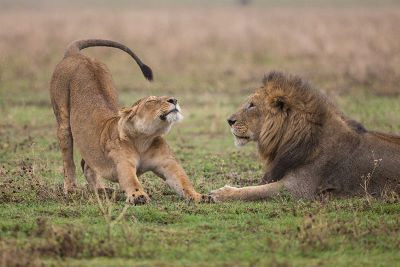
mate

/meɪt/

(noun) 친구, 동료, 짝;

(verb) 짝짓기하다, 교배시키다

예시:
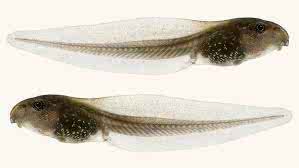
He's my best mate from school.
그는 학교에서 가장 친한 친구야.

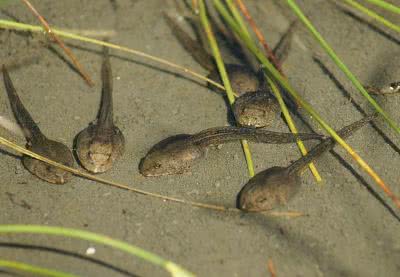
tadpole

/ˈtæd.poʊl/

(noun) 올챙이

예시:

We watched the tadpoles swim in the pond.
우리는 연못에서 올챙이들이 헤엄치는 것을 보았다.

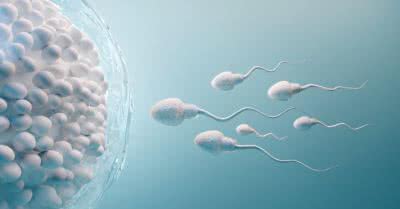
fertilization

/ˌfɝː.t̬əl.əˈzeɪ.ʃən/

(noun) 수정, 비옥화, 비료

예시:

Successful fertilization is crucial for plant reproduction.
성공적인 수정은 식물 번식에 매우 중요합니다.

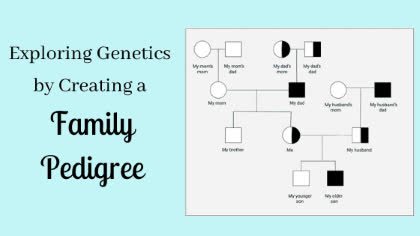
pedigree

/ˈped.ə.ɡriː/

(noun) 혈통, 가계, 역사;

(adjective) 혈통 있는, 순종의

예시:
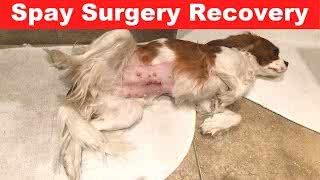
The dog has an excellent pedigree, with champions in its lineage.
그 개는 혈통에 챔피언이 있는 훌륭한 혈통을 가지고 있다.

spay

/speɪ/

(verb) 중성화하다, 불임 수술을 하다

예시:

We decided to spay our female cat to prevent unwanted litters.
원치 않는 새끼를 막기 위해 암컷 고양이를 중성화하기로 결정했습니다.

barrenness

/ˈber.ən.nəs/

(noun) 불모, 황폐함, 불임

예시:

The barrenness of the desert made farming impossible.
사막의 불모함은 농사를 불가능하게 만들었다.

breeder

/ˈbriː.dɚ/

(noun) 사육사, 육종가

예시:

She is a well-known dog breeder.
그녀는 유명한 개 사육사이다.

crossbreed

/ˈkrɑːs.briːd/

(noun) 교배종, 잡종;

(verb) 교배시키다, 잡종을 만들다

예시:
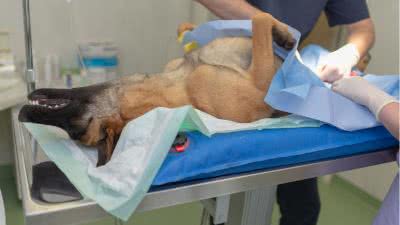
The dog was a crossbreed of a Labrador and a Poodle.
그 개는 래브라도와 푸들의 교배종이었다.

neuter

/ˈnuː.t̬ɚ/

(adjective) 중성, 중성화된;

(verb) 중성화하다;

(noun) 중성화된 동물

예시:
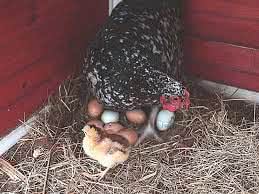
In some languages, inanimate objects are assigned a neuter gender.
일부 언어에서는 무생물에 중성이 부여됩니다.

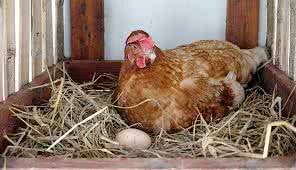
broody

/ˈbruː.di/

(adjective) 알을 품는, 알을 품는 암탉, 우울한

예시:

The farmer noticed the broody hen sitting on a clutch of eggs.
농부는 알을 품고 있는 알을 품는 암탉을 발견했다.

incubate

/ˈɪŋ.kjə.beɪt/

(verb) 품다, 부화시키다, 잠복하다

예시:

The hen will incubate her eggs for 21 days.
암탉은 21일 동안 알을 품을 것이다.

brood

/bruːd/

(noun) 새끼, 자손;

(verb) 골똘히 생각하다, 음울하게 생각하다, 품다

예시:
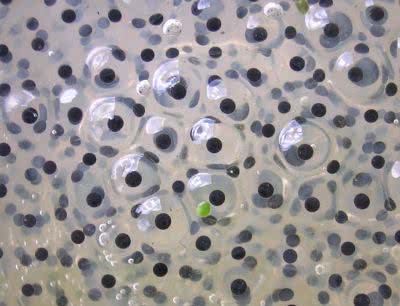
The hen led her brood of chicks across the yard.
암탉은 병아리 떼를 마당 가로질러 이끌었다.

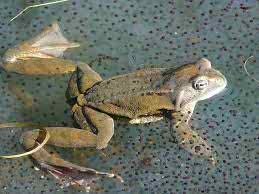
frogspawn

/ˈfrɑːɡ.spɑːn/

(noun) 개구리알

예시:

The pond was full of frogspawn in early spring.
초봄에는 연못이 개구리알로 가득했다.

calve

/kæv/

(verb) 송아지를 낳다, 분만하다, 분리되다

예시:

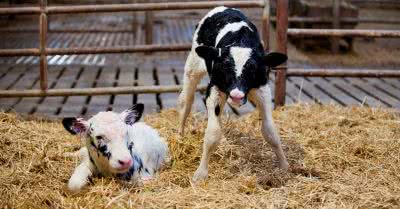
The cow is expected to calve next month.
그 소는 다음 달에 송아지를 낳을 것으로 예상된다.

grub

/ɡrʌb/

(noun) 애벌레, 유충, 음식;

(verb) 뒤지다, 파다

예시:
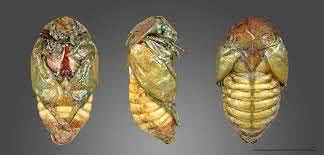
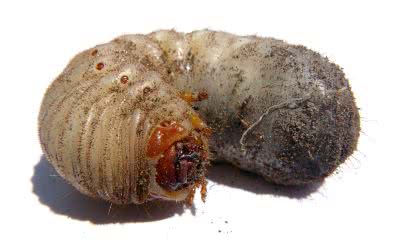
The bird pecked at the ground, searching for a juicy grub.
새는 땅을 쪼아대며 통통한 애벌레를 찾았다.

pupa

/ˈpjuː.pə/

(noun) 번데기

예시:

The caterpillar transformed into a pupa.
애벌레는 번데기로 변태했다.

farrow

/ˈfær.oʊ/

(noun) 새끼 돼지 떼, 새끼 돼지;

(verb) 새끼를 낳다, 분만하다

예시:
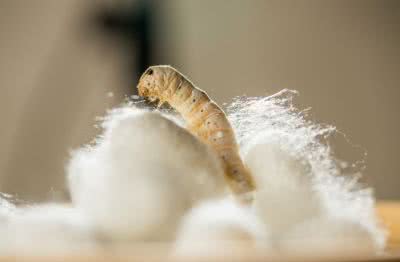
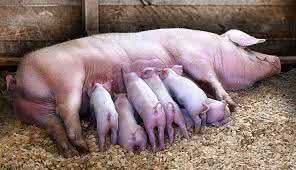
The sow gave birth to a healthy farrow of ten piglets.
암퇘지는 건강한 10마리의 새끼 돼지를 낳았다.

silkworm

/ˈsɪlk.wɝːm/

(noun) 누에

예시:

The silkworm is known for producing silk.
누에는 비단을 생산하는 것으로 알려져 있다.

barren

/ˈber.ən/

(adjective) 황량한, 메마른, 불임의

예시:

The barren desert stretched for miles.
황량한 사막이 몇 마일이나 뻗어 있었다.

polliwog

/ˈpɑː.li.wɑːɡ/

(noun) 올챙이

예시:

The children watched the polliwogs swim in the pond.
아이들은 연못에서 올챙이가 헤엄치는 것을 보았다.

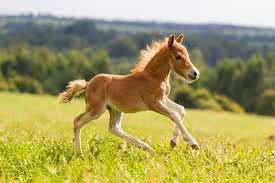
foal

/foʊl/

(noun) 망아지;

(verb) 망아지를 낳다

예시:

The mare gave birth to a healthy foal this morning.
암말이 오늘 아침 건강한 망아지를 낳았다.

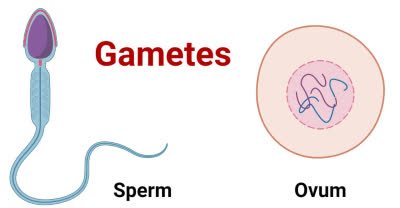
gamete

/ˈɡæm.iːt/

(noun) 생식세포, 배우자

예시:

In humans, sperm and egg cells are examples of gametes.
인간에게서 정자와 난자는 생식세포의 예시이다.

gestate

/dʒesˈteɪt/

(verb) 임신하다, 배다, 발전하다

예시:

The elephant will gestate for nearly two years.
코끼리는 거의 2년 동안 임신할 것이다.

hermaphrodite

/hɝːˈmæf.rə.daɪt/

(noun) 자웅동체, 간성;

(adjective) 자웅동체

예시:
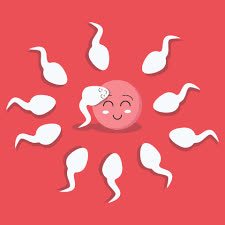
Some species of fish are naturally hermaphrodites.
일부 어종은 자연적으로 자웅동체이다.

impregnate

/ɪmˈpreɡ.neɪt/

(verb) 임신시키다, 수태시키다, 함침시키다

예시:

The stallion was used to impregnate several mares.
그 종마는 여러 암말을 임신시키는 데 사용되었다.

lamb

/læm/

(noun) 어린 양, 양고기;

(verb) 새끼를 낳다 (양)

예시:
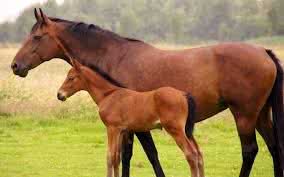
The shepherd carried a newborn lamb in his arms.
목동은 갓 태어난 어린 양을 품에 안았다.

procreate

/ˈproʊ.kri.eɪt/

(verb) 번식하다, 자손을 낳다

예시:

Many species procreate during the spring season.
많은 종들이 봄철에 번식한다.

reproduce

/ˌriː.prəˈduːs/

(verb) 재현하다, 복제하다, 번식하다

예시:

The artist tried to reproduce the colors of the sunset.
그 예술가는 일몰의 색깔을 재현하려고 노력했다.

whelp

/welp/

(noun) 새끼, 강아지, 건방진 녀석;

(verb) 새끼를 낳다, 출산하다

예시:
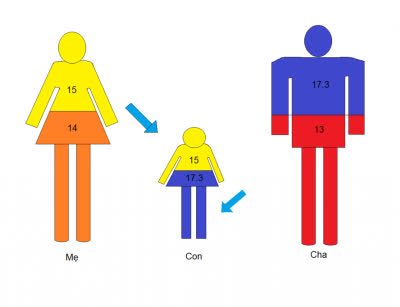
The mother dog carefully licked her newborn whelps.
어미 개는 갓 태어난 새끼들을 조심스럽게 핥았다.

bloodline

/ˈblʌd.laɪn/

(noun) 혈통, 가계

예시:

The royal bloodline has been traced back for centuries.
왕실의 혈통은 수세기 동안 거슬러 올라갈 수 있다.

couple

/ˈkʌp.əl/

(noun) 커플, 부부, 두어 개;

(verb) 연결하다, 결합하다

예시:
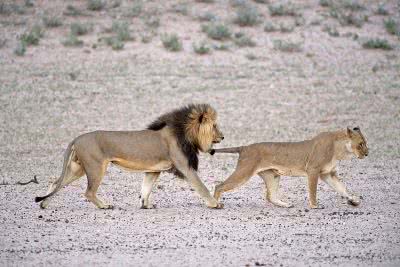
A young couple walked hand in hand.
젊은 커플이 손을 잡고 걸었다.

oestrus

/ˈes.trəs/

(noun) 발정기, 히트

예시:

The farmer observed signs of oestrus in his cow, indicating she was ready for breeding.
농부는 소에서 발정기 징후를 관찰하여 번식 준비가 되었음을 나타냈다.

rut

/rʌt/

(noun) 바퀴 자국, 홈, 틀에 박힌 생활;

(verb) 발정하다, 발정기에 있다

예시:

The heavy trucks left deep ruts in the muddy road.
무거운 트럭들이 진흙탕 길에 깊은 바퀴 자국을 남겼다.

incubation period

/ˌɪŋ.kjəˈbeɪ.ʃən ˌpɪr.i.əd/

(noun) 잠복기

예시:

The incubation period for the flu is typically one to four days.
독감의 잠복기는 보통 1~4일이다.

sire

/saɪr/

(noun) 아비, 수컷, 폐하;

(verb) 낳다, 아비가 되다

예시:
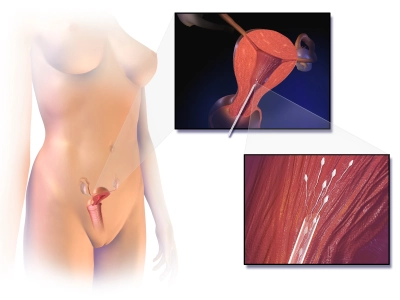
The foal's sire was a famous racehorse.
망아지의 아비는 유명한 경주마였다.

inseminate

/ɪnˈsem.ə.neɪt/

(verb) 수정시키다, 인공 수정하다

예시:

The farmer decided to artificially inseminate his cows to improve the herd's genetics.
농부는 소 떼의 유전자를 개선하기 위해 소들을 인공적으로 수정시키기로 결정했다.

sperm

/spɝːm/

(noun) 정자, 정액

예시:

Human sperm are produced in the testes.
인간의 정자는 고환에서 생산된다.

egg

/eɡ/

(noun) 알, 계란;

(verb) 부추기다, 선동하다

예시:

The bird laid an egg in the nest.
새가 둥지에 을 낳았다.
Lingoland에서 이 어휘 세트 학습하기