
一般IELTS語彙(バンド6-7) 内 貧困と失敗 語彙セット:完全かつ詳細なリスト
「一般IELTS語彙(バンド6-7)」内の「貧困と失敗」語彙セットは国際標準教材から厳選され、短期間で語彙をマスターできます。定義、例文、標準発音を網羅…
Lingolandでこの語彙セットを学習
今すぐ学習
/ˈfrʌs.treɪ.t̬ɪd/
(adjective) イライラした, 不満な
例:
I'm so frustrated with this slow internet connection.
この遅いインターネット接続には本当にイライラする。

/ˌʌn.fʊlˈfɪld/
(adjective) 満たされない, やりがいのない, 履行されていない
例:
He felt unfulfilled in his current job.
彼は今の仕事にやりがいを感じていなかった。

/dɪˈzæs.trəs/
(adjective) 壊滅的な, 悲惨な
例:
The earthquake had a disastrous effect on the city.
地震は都市に壊滅的な影響を与えた。

/ʌnfʊlˈfɪlɪŋ/
(adjective) やりがいのない, 満たされない
例:
He spent years in an unfulfilling job before deciding to change careers.
彼はキャリアを変える決心をするまで、やりがいのない仕事に何年も費やした。

/ʌnˈfruːt.fəl/
(adjective) 不毛な, 成果のない, 不毛の
例:
The negotiations were unfruitful and ended without an agreement.
交渉は不毛に終わり、合意に至らなかった。

/ˌʌn.rɪˈwɔːr.dɪŋ/
(adjective) やりがいのない, 報われない
例:
Teaching can be a very unrewarding job if the students are not interested.
生徒に興味がない場合、教師は非常にやりがいのない仕事になる可能性があります。

/ʌnˈprɑː.fɪ.t̬ə.bəl/
(adjective) 不採算の, 利益にならない, 無益な
例:
The venture proved to be unprofitable, leading to its closure.
その事業は不採算であることが判明し、閉鎖に至った。

/ˈfruːt.ləs/
(adjective) 実りのない, 無益な, 徒労の
例:
After months of fruitless searching, they finally gave up.
数ヶ月にわたる実りのない捜索の後、彼らはついに諦めた。

/ˈfeɪ.lɪŋ/
(noun) 欠点, 弱点, 失敗;
(preposition) それがだめなら, もしそうでなければ;
(adjective) 衰えている, 機能不全の
例:
Despite his many talents, his biggest failing was his inability to manage money.
彼の多くの才能にもかかわらず、最大の欠点はお金の管理ができないことだった。

/ɪmˈpɑː.vɚ.ɪʃt/
(adjective) 貧困に陥った, 貧しい, 痩せ細った
例:
The war left many families impoverished and struggling to survive.
戦争は多くの家族を貧困に陥れ、生き残るために苦しませた。

/ˈpen.i.ləs/
(adjective) 一文無しの, 極貧の
例:
After the business failed, he was left penniless.
事業が失敗した後、彼は一文無しになった。
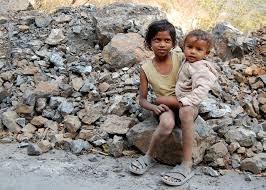
/ˌʌn.dɚˈprɪv.əl.ɪdʒd/
(adjective) 恵まれない, 特権のない
例:
The charity works to help underprivileged children get an education.
その慈善団体は恵まれない子供たちが教育を受けられるよう支援しています。

/ˈstrʌɡ.lɪŋ/
(adjective) 苦戦している, 奮闘している
例:
The small business is struggling to stay afloat in the current economic climate.
その中小企業は現在の経済状況で生き残るために苦戦している。

/ˈstʌm.bəl/
(verb) つまずく, よろめく, どもる;
(noun) つまずき, よろめき
例:
He began to stumble as he walked through the uneven terrain.
彼はでこぼこした地形を歩いているとつまずき始めた。

/ˌmɪsˈfɔːr.tʃən/
(noun) 不運, 不幸, 不幸な出来事
例:
It was my misfortune to be born into a poor family.
貧しい家庭に生まれたのは私の不運だった。

/ˈflaʊn.dɚ/
(verb) もがく, よろめく, 苦戦する;
(noun) カレイ, ヒラメ
例:
The horses were floundering in the heavy snow.
馬たちは深い雪の中でもがいていた。

/ˈfaʊn.dɚ/
(noun) 創業者, 設立者;
(verb) 失敗する, 頓挫する, 沈没する
例:
The founder of the company retired after 30 years.
会社の創業者は30年後に引退した。

/ɡoʊ daʊn/
(phrasal verb) 降りる, 下がる, 沈む
例:
The sun began to go down behind the mountains.
太陽が山の向こうに沈み始めた。

/ˌmɪsˈmæn.ɪdʒ/
(verb) 管理を誤る, 不手際をする
例:
The government was accused of mismanaging the economy.
政府は経済を失政したとして非難された。

/ɡoʊ ˈʌndər/
(phrasal verb) 倒産する, 破産する, 意識を失う
例:
Many small businesses go under during a recession.
不況時には多くの小規模企業が倒産する。

/ˈmɪsˌker.i/
(verb) 流産する, 失敗する, うまくいかない
例:
She was devastated when she miscarried her first child.
彼女は最初の子供を流産したとき、打ちひしがれた。

/kənˈsiːd/
(verb) 認める, 譲歩する, 譲る
例:
He finally had to concede that his opponent was right.
彼はついに相手が正しいと認めるしかなかった。

/ˈæb.də.keɪt/
(verb) 退位する, 放棄する
例:
The king decided to abdicate the throne in favor of his son.
王は息子のために王位を退くことを決めた。